
Surviving the infodemic
Misinformation runs rampant, webbed into political rhetoric, social commentaries, viral posts, and group chats
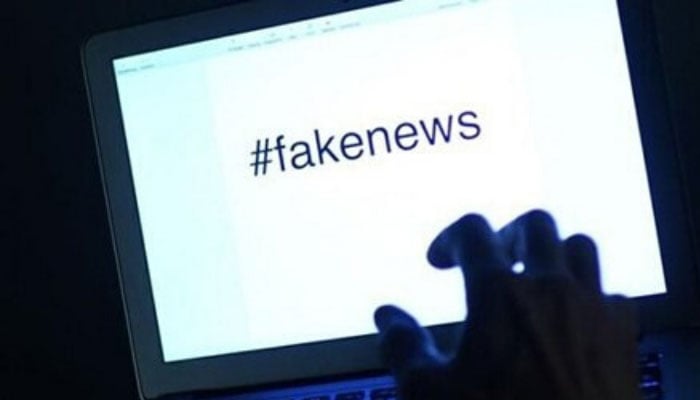
Five years ago, the world was on the brink of its biggest humanitarian crisis in about a century. Today, Covid-19 is no longer in daily headlines. However, the infodemic it spawned has yet to subside.
Misinformation runs rampant, webbed into political rhetoric, social commentaries, viral posts, and group chats. What’s more harmful is our shallow understanding of the phenomenon.
Our (mis)information narrative is oversimplified and misleading. We have labelled it as a social media problem, restricted to the coverage of and commentaries on current events, and attributed it to malicious intent. And our best bet for maintaining the information order is to regulate access to all things digital media, news and content. Is that really it?
First, people aren’t misled because too many of us are online. Yes, increased connectivity amplifies the scale of the problem. With generative artificial intelligence creating real-like pieces of textual and audiovisual information and hallucinating about history and our lived realities, the challenge is only getting bigger. However, the history of misinformation is as old as that of human communication. The reports of Mark Twain’s death weren’t exaggerated on social media.
Second, incorrect or false information is not limited to coverage of current events. And its impact extends beyond electoral results, as we saw during Covid – from harmful health advice and financial scams to misguided advocacy.
Third, the spread of inaccurate information is not always a deliberate attempt at creating disorder or causing harm. As we saw during the peak pandemic years, not everyone shared incomplete health guidelines or manipulated statistics with the intent to cause harm or create frenzy. Often, people, on and off the internet, didn’t realise the information at their disposal was inaccurate or misleading.
Unesco’s Behind the Screens Survey helps put things into perspective. It reveals that nearly two-thirds of digital content creators do not verify the information they relay to their audiences. Like most of their subscribers and followers, they too count likes and shares to decide if they should reshare anything. Similarly, they also just take their friend’s word for it.
In other words, all of us can unintentionally but actively contribute to spreading misinformation both online and offline. And why do we do that? Because of cognitive biases and fatigue.
Our relationship with information is rooted in preconceived notions. In our everyday engagement with information, we don’t question sources we trust or instinctively take as given what resonates with us. We tend to believe what we hear repeatedly. And we are certainly drawn to pretty visuals, well-expressed stories and strong narratives. That is why some people have only one newspaper subscription all their lives, quote one author all the time, or tell one story over and over.
Our information behaviours are driven by our sense of familiarity, need for conformity, and desire for validation. This also explains how we fact-check when we do it. We refer to our favourite database, the most well-known publication, or the post with the most likes or shares.
Another reason we do that is what’s known as cognitive overload. We are constantly consuming some form of information in both our online and offline spaces. Every conversation over a cup of karak chai, hours of scrolling through social media feeds and even Netflix binge adds to our information diet. This unchecked exposure results in cognitive fatigue and lazy engagement with the content we consume. In turn, we tend to share information without fully processing it ourselves.
Deconstructing information behaviours helps understand why online policing or restricting access is not viable.
Establishing protocols is as ineffective as mandating face masks in social gatherings. Research suggests that listing dos and don’ts is futile. Design experiments have shown that nudges have modest effects on people’s information behaviours. Prompting people to read past the click-bait headline before resharing, consulting a healthcare professional before using a remedy, etc seldom works.
And what do restrictive policies do? They create alternate means of information access. For every printing press sanction in history, a bookmaker set up shop in a dark basement with messengers and secret codes.
How do we cope with the infodemic plaguing our hyperconnected world, then? By rethinking our mainstream misinformation narrative, reshaping our collective mindset, and reforming the norm.
To survive the information deluge, we must nurture an information, media, and digitally literate society. Our solutions should be centred on attitudes, mindsets, and practices of information engagement, not checklists. And we must start young.
Countries such as the Philippines, India and Nigeria have already taken the initiative. Following the Finland model, they are integrating media, information, and digital literacy concepts and practices in their core curriculum, taking a multi-disciplinary approach. It is comparable to integrating the once-mandatory civics course into stories and narratives taught across subjects and built into classroom etiquette and discourse.
Research shows that efforts directed at realignment of normative behaviours have lasting impact but are slow-moving. That’s because norms do not change overnight. Therefore, our media, information, and digital literacy advocacy must be grounded in social responsibility.
With the world at our fingertips, the lines between fact and fiction, the real, the artificial, and the fake have never been blurrier. To cope with this infodemic, we must rethink our (mis)information narrative and behaviours. Ultimately, we think, therefore we are.
The writer is a research fellow at the Graduate Institute of Development, Lahore School of Economics.


