
Skilled exodus
Govt estimates show one million skilled workers left Pakistan over past three years, with 900,000 leaving country in 2023 alone
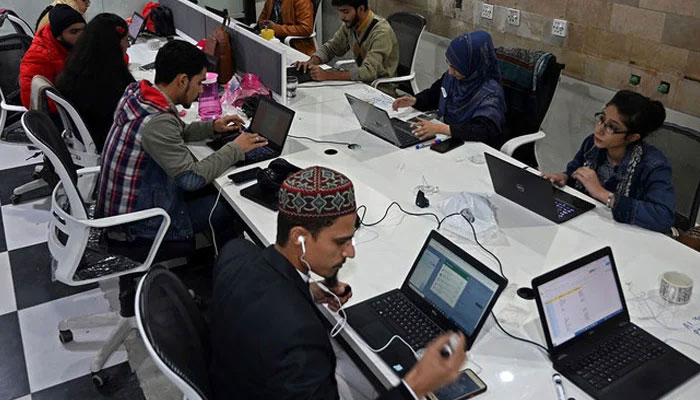
Despite growing signs of economic stabilisation following a new $7 billion IMF bailout, even those who tick all the education and skills boxes one could come up with are finding it hard not only to thrive but to simply make a living in Pakistan. Leaving the country is no longer simply an aspirational endeavour, but one of simple survival for both poor and middle class alike. As a result, the familiar problem of brain drain has become more acute than ever before. According to government estimates, one million skilled workers have left Pakistan over the past three years, with approximately 900,000 people (skilled and unskilled) thought to have left the country in 2023 alone. This is a trend that is set to continue, with an estimated 37 per cent of Pakistanis wanting to leave the country according to a 2022 survey by the Pakistan Institute of Development Economics and demand for US visas reaching its highest level ever in September 2023. The disproportionately educated and skilled profile of this outflow is among the reasons why Pakistan has just over one physician for every 1000 people. Reports suggest that tech and finance are other sectors hard hit by the increasing brain drain and those companies seeking to hire replacements are struggling to find the right talent.
With prices of around 51 essential items having almost doubled on average since 2022 and the cost of milk in Karachi reportedly surpassing that in Paris, one can see why even the relatively educated and prosperous are having a hard time in today’s economy. Worryingly, the picture for skilled professionals in Pakistan does not appear to be getting brighter any time soon. The June budget raised taxes on most of the salaried classes while high earners and previously favoured industries like exporters are also being brought into the tax net to meet bailout-linked revenue targets. Tough fiscal adjustments are part of the IMF bargain needed to stabilise Pakistan’s faltering economy and are also necessary for the country to build the kind of infrastructure, education and welfare system enjoyed by the wealthy countries.
While this may give Pakistan’s best and brightest a reason to stay in the long-run, it might only drive up the pressure to leave in the immediate run. A good job after years of hard study in Pakistan barely gives one enough to survive these days, let alone buy a house, a nice car and start a family. Imagine having to go through all of this and then still having your taxes and utilities tariffs raised. While none of this can be expected to change overnight, there needs to be a concrete plan to give the young and talented reasons to stay. This is just as important to putting the country on the right path as meeting revenue collection targets.


