
Climate for change
By giving climate refugees legal status, we open door to host of previously out-of-reach rights and services
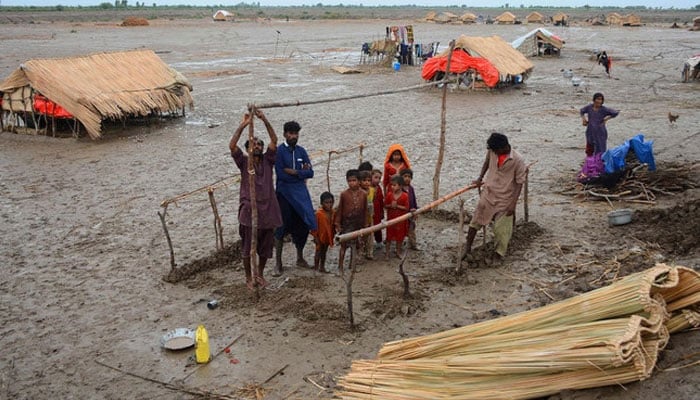
On October 22, the Climate Refugees Rights and Protection Bill, 2024 was tabled in the National Assembly. If passed into law, Pakistan will become the first country to formally recognise climate refugees as a distinct category, allowing for more targeted resource allocation.
Pakistan is on the frontlines of climate change. Millions of our displaced fellow citizens – our climate refugees – are not just victims of environmental destruction but of an invisible crisis, unrecognised by law and unprotected by the system.
This bill puts these vulnerable individuals front and centre, offering them the legal protections and dignity they deserve. It breaks new ground by officially defining climate refugees and acknowledging their need for protection. By giving climate refugees legal status, we open the door to a host of previously out-of-reach rights and services.
The Climate Refugee Centers established under the proposed legislation would provide essential services such as emergency healthcare, sanitation, waste management, and temporary housing in the district nearest to their damaged homes. These centres will offer immediate relief to the displaced, ensuring they do not end up in unlivable and hopeless conditions.
This bill also calls for the early and safe return of climate refugees to their homes or their integration into new communities, where possible. Displaced Pakistanis should not be stripped of everything they own just because the climate crisis forced them to flee. The bill proposes that lands, homes, commercial properties left behind by refugees are protected, cataloged, and safeguarded.
The Pakistani Climate Refugees Rights and Protection Act would ban discrimination against displaced individuals and set up systems to prevent exploitation and harassment, especially for women and children. It would also provide guardrails for the infirm and elderly.
For too long have climate refugees been invisible – caught in a legal limbo, stigmatised, and often left to fend for themselves. This act would change that. It would ensure that climate refugees have access to vocational training, employment, and education, helping them rebuild their lives and contribute to society. By empowering these individuals, Pakistan is sending a clear message: climate refugees are not a burden; they are part of the solution to our nation’s future.
The bill goes further than offering protections, it builds in accountability as well. A national database will be created to register all climate refugees. This database will incorporate biometric data and medical records, offering a complete view of each displaced person’s needs.
Moreover, a board of governors will oversee the proposed Climate Refugee Centers, ensuring transparency and accountability at every level. This body, which would include representatives from the federal government, civil society, and key ministries, will ensure that the centers are run effectively and fairly. By providing regular updates to refugees on their prospects of returning home, we are offering them the certainty and clarity they need during times of upheaval.
Pakistan is not just responding to its own crisis. We are setting a precedent for the world. While nations like Bangladesh and the Pacific Islands face similar climate-induced displacement, Pakistan will be the first country to introduce a formal legal framework to protect climate refugees. We hope this action will serve as a beacon of leadership for other nations to follow.
Climate change is a global crisis, and it demands a global response. But we cannot wait for the world to act. Pakistan must lead the way and this bill is our bold first step.
The Pakistani Climate Refugees Rights and Protection Bill, which is now in committee, is a statement of intent, a promise that we will protect our people, and an acknowledgment that climate change is already reshaping our world.
Muhammad Moin Aamer Pirzada is an elected member of the National
Assembly from the Muttahida Qaumi Movement. He shaped and tabled the abovementioned bill.
Faris Ahmed contributed research and development energies to the proposed legislation.


