
Overpopulation dilemma
Unfortunately, Pakistan is still wrestling with this fundamental requirement
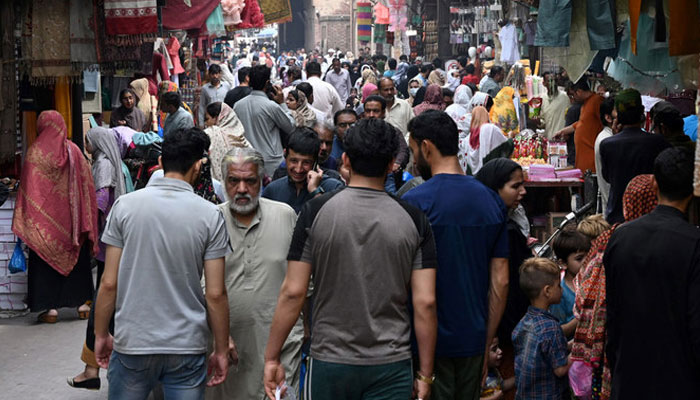
World Population Day this year – with the theme, ‘Harnessing the Power of Inclusive Data for a Resilient and Equitable Future for All’ – highlighted the pivotal role of precise and comprehensive data in shaping our future.
Unfortunately, Pakistan is still wrestling with this fundamental requirement. The country's irregular approach to conducting regular censuses and the absence of detailed data from the 2023 census present significant hurdles. Without trustworthy data, effective planning and tackling the myriads of challenges arising from the country's swiftly growing population become increasingly complex.
The availability of reliable data at the local administrative level is vital to ensure policymakers' accountability. Furthermore, constituency-level data is crucial for political accountability and ownership, as political determination plays a key role in Muslim countries such as Iran and Bangladesh in achieving sustainable population growth.
This data forms the foundation for making informed decisions and executing effective policies. It enables us to identify areas of need, distribute resources wisely, and track progress towards our developmental goals. To address these urgent issues, we need a robust data collection and management system that ensures transparency and accessibility.
The need to confront the challenges brought about by Pakistan's rapidly expanding population, currently standing at 241.5 million, is more pressing than ever. This dramatic growth calls for a thorough reassessment of our strategies to ensure that our children have equal access to education, healthcare, proper nutrition, and economic opportunities. This not only endangers the well-being of our current population but also puts the prospects of our youth at risk.
If the current growth rate of 2.55 per cent continues, Pakistan will face colossal challenges in providing the necessary infrastructure and services to its burgeoning population. The Population Council reports that the country’s total fertility rate of 3.6 is the highest in the region, while the contraceptive prevalence rate remains worryingly low.
If this trend persists, Pakistan will need an additional 57,000 primary schools by 2040 to accommodate the surge of school-aged children. Already, millions of children are denied their fundamental right to education. The demand for new schools will exacerbate an already critical shortage, intensifying disparities in educational access and quality.
The current state of child nutrition is equally alarming, with 40 per cent of children experiencing stunted growth and 29 per cent being underweight. These figures raise serious questions about our collective capacity to provide necessities and essential healthcare services for future generations. Malnutrition not only impacts physical health but also impedes cognitive development, leading to a cycle of poverty and underachievement. Addressing these issues necessitates a joint effort from both the state and society.
Policymakers must place population welfare and family planning at the forefront of development priorities. Sustainable population growth is integral to national prosperity. While the country's major political parties have recognized these issues, the government must convert these commitments into tangible action plans and ensure accountability.
The media also has a crucial role in shifting public discourse towards population concerns, raising awareness and urgency. Significant, targeted investments in healthcare, education, and social services are vital to meet the needs of a growing population.
The government should pledge to prioritize population management initiatives and healthcare, ensure universal access to family planning services, improve health infrastructure, and invest heavily in education, particularly female education. These crucial steps are necessary for managing population growth and improving the quality of life for all citizens.
The government must also prioritize the collection and dissemination of comprehensive and accessible data. We also stress the need for integrating population management into the curriculum and empowering teachers to discuss the importance of family planning, thereby equipping the younger generation with the knowledge to make informed decisions.
Prioritizing these initiatives will allow us to directly tackle the challenges posed by rapid population growth. Together, we can build a more prosperous and equitable future for Pakistan, where every child has the opportunity to flourish.
The writer works at the Population Council Pakistan’s Islamabad office.


