
Khamenei urges citizens to go to polls as Iran discontent mounts
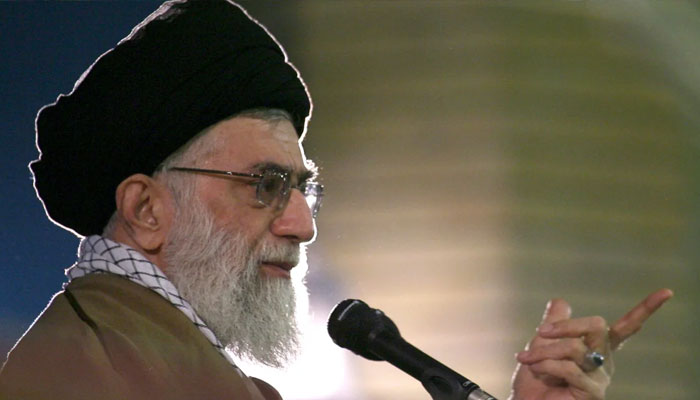
DUBAI: Iranians voted for a new parliament on Friday in an election seen as a test of the clerical establishment’s legitimacy at a time of growing frustration over economic woes and restrictions on political and social freedoms.
Supreme Leader Ayatollah Ali Khamenei, who has called voting a religious duty, was the first to cast his vote in Iran.
“Vote as soon as possible ... today the eyes of Iran’s friends and ill-wishers are on the results. Make friends happy and disappoint enemies,” Khamenei said on state television.
The election is the first formal measure of public opinion since anti-government protests in 2022-23 spiralled into some of the worst political turmoil since the 1979 Islamic Revolution.
Iran’s rulers need a high turnout to repair their legitimacy, badly damaged by the unrest. But official surveys suggest only about 41 percent of eligible Iranians will vote. Turnout hit a record low of 42.5 percent in the 2020 parliamentary election, while about 62 percent of voters participated in 2016.
State TV, portraying a general enthusiastic mood with live coverage from across Iran interspersed with patriotic songs, aired footage of people braving snow to vote in some towns and villages. Several people told state TV that they were voting “to make the supreme leader happy”.
Over 15,000 candidates were running for the 290-seat parliament. Partial results may appear on Saturday.
Activists and opposition groups were distributing the hashtags #VOTENoVote and #ElectionCircus widely on the social media platform X, arguing that a high turnout would legitimise the Islamic Republic.
Witnesses said most polling centres in Tehran and several other cities were lightly attended.
“I am not voting for a regime that has restricted my social freedoms. Voting is meaningless,” said teacher Reza, 35, in the northern city of Sari.
Imprisoned Nobel Peace Prize laureate Narges Mohammadi, a women’s rights advocate, has called the election a “sham”.
The parliament, dominated for over two decades by political hardliners within the religious Islamic Republic, has negligible impact on foreign policy or a nuclear programme that Iran says is peaceful but the West says is aimed at making nuclear arms - issues determined by Khamenei.
With heavyweight moderates and conservatives staying out and reformists calling the election unfree and unfair, the contest is essentially among hardliners and low-key conservatives who proclaim loyalty to Islamic revolutionary ideals.



-
 King Charles, Camilla To Snub Prince Harry’s America Meet-up Attempt
 -
 Zendaya Crashes Young Couple Wedding In Las Vegas
 -
 Patrick J. Adams Breaks Silence On How 'The Madison' Role Echoed Family Loss
 -
 Prince William, Kate Middleton Push Drastic Changes
 -
 Prince William Has ‘little Forgiveness’ In Heart For Prince Harry
 -
 Netflix Eyes Shock Revival Of 'The Crown' After Andrew Mountbatten Windsor Controversy
 -
 Jennifer Aniston's Beau Jim Curtis Becomes Her Guiding Light
 -
 Prince Harry, Meghan Markle Swimming Dangerous Waters With Australia Trip
 -
 Lewis Hamilton Warned Against Kim Kardashian Romance To Save Brand Name
 -
 'American Pie' Star Shannon Elizabeth Makes Rare Admission About Legacy Role
 -
 Prince William Spectates Team Wales During Rugby Match In Cardiff
 -
 Teyana Taylor Drops Cryptic Hint About What Could Happen At The Oscars
 -
 Andrew Mountbatten Windsor, Sarah Ferguson 'flagged By Intelligence Services'
 -
 Kim Kardashian Headed For Another Love Crash With Lewis Hamilton
 -
 Kris Jenner Recalls Trying To Save Kylie Jenner From 'biggest Failure' Of Life
 -
 Britney Spears Leaning On The Kardashians Post DUI Arrest