
Behind closed doors
Many countries around the world recorded an increase in domestic violence against women and girls during the Covid-19 pandemic and the ensuing lockdowns. Sadly, Pakistan was no exception to this global trend. According to a study by the Asian Development Bank (ADB) on the ‘Gendered Impacts of the Covid-19 Pandemic in Central and West Asia’, respondents to a survey in Sindh and Punjab carried out in the summer of 2020 reported an increase of 46 per cent in incidences of physical assault from spouses.
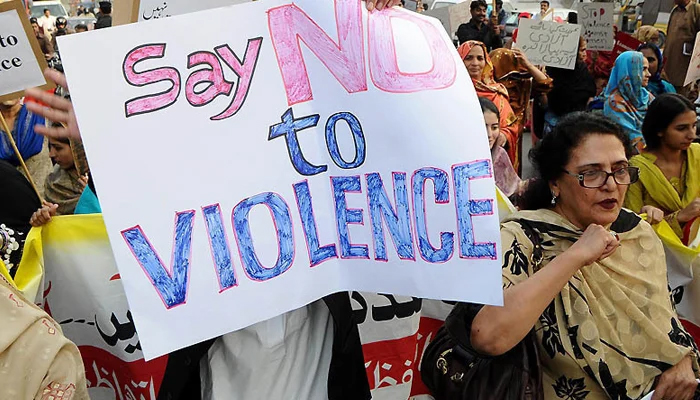
Fourteen per cent of the women surveyed knew someone in their community who was threatened with physical violence by their husband while 19 per cent knew someone who was physically assaulted by their husband. These numbers not only point to the disproportionate impact the Covid-19 pandemic had on women in general but also to the deeply entrenched gender inequalities in Pakistan. The attitude of many when it comes to domestic violence against women and girls in the country remains rather dismissive, with family and friends often excusing or rationalizing such abusive treatment, including through victim-blaming. Although the state is supposed to offer women the protection from domestic violence – including mental and sexual abuse – that their communities often deny them, this is a duty it is largely failing to fulfill.
Although 90 per cent of women in Pakistan claim to have faced some form of domestic violence, 50 per cent never report the abuse. Reports point to a resistance among police officers to register FIRs in cases of domestic violence, with victims often being told that the abuse is a ‘personal matter’ or an inevitable part of married life, as a major reason for the lack of trust that women have in the authorities when it comes to protecting them from spousal abuse. The Covid pandemic appears to have created the perfect storm for a surge in domestic violence with a rise in financial and mental stress tied to the pandemic response coupled with a largely indifferent official and unofficial attitude towards domestic violence leaving many women more vulnerable to abuse than ever before.
The pandemic and the lockdowns may have receded but the same cannot be said for the country’s domestic violence crisis. Doing away with the latter will require not just a zero-tolerance approach to domestic violence from the state and society but the empowerment of women in general. The prevalence of domestic abuse in countries like Pakistan is symptomatic of a country where women are systematically excluded from employment, public life, and positions of power and influence in general. Changing this scenario has to be the cornerstone of any policy that aims to protect women and girls from violence.







-
 Andrew Mountbatten-Windsor Throws King Charles A Diplomatic Crisis
 -
 Barack Obama Hails Seahawks Super Bowl Win, Calls Defense ‘special’
 -
 Pregnant Women With Depression Likely To Have Kids With Autism
 -
 $44B Sent By Mistake: South Korea Demands Tougher Crypto Regulations
 -
 Lady Gaga Makes Surprising Cameo During Bad Bunny's Super Bowl Performance
 -
 Paul Brothers Clash Over Bad Bunny's Super Bowl Performance
 -
 South Korea: Two Killed As Military Helicopter Crashes During Training
 -
 Elon Musk Unveils SpaceX’s Moon-first Strategy With ‘self Growing Lunar City’
 -
 Donald Trump Slams Bad Bunny's Super Bowl Performance: 'Absolutely Terrible'
 -
 Jake Paul Criticizes Bad Bunny's Super Bowl LX Halftime Show: 'Fake American'
 -
 Prince William Wants Uncle Andrew In Front Of Police: What To Expect Of Future King
 -
 Antioxidants Found To Be Protective Agents Against Cognitive Decline
 -
 Hong Kong Court Sentences Media Tycoon Jimmy Lai To 20-years: Full List Of Charges Explained
 -
 Coffee Reduces Cancer Risk, Research Suggests
 -
 Katie Price Defends Marriage To Lee Andrews After Receiving Multiple Warnings
 -
 Seahawks Super Bowl Victory Parade 2026: Schedule, Route & Seattle Celebration Plans