More than 5,000 Pakistani women are diagnosed with cervical cancer annually and thousands die. To tackle this situation, the Government of Pakistan recently launched a national initiative to vaccinate girls aged 9 to 14 against HPV. You! takes a look…
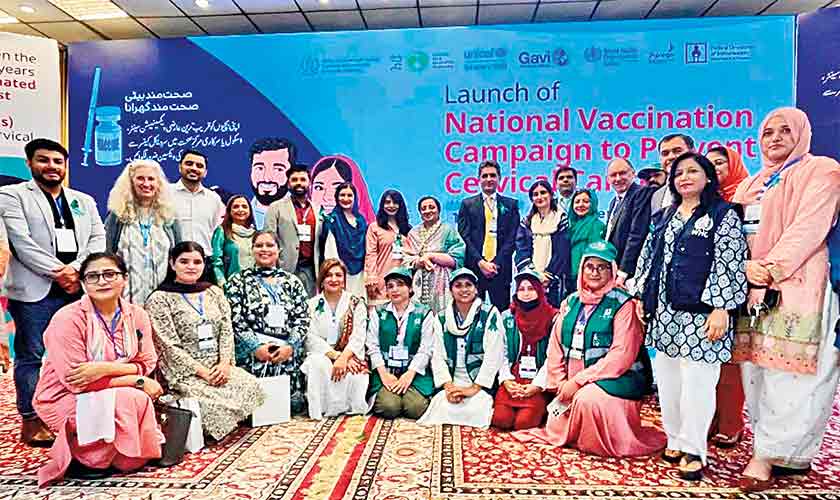
Ranked among the world’s top five deadliest cancers, cervical cancer continues to claim thousands of lives in Pakistan each year, underscoring the urgent need for prevention and awareness. Unlike many cancers that appear without a clear cause, cervical cancer has a well-established causative agent: the human papillomavirus (HPV). It is one of the few cancers for which prevention is within our reach, yet many women in our country continue to die from it.
What is HPV, one might ask?
Human papillomavirus (HPV) is a common virus transmitted through intimate contact. Like many viruses, it can cause infections. Some clear up on their own, but others may persist. When left untreated, these lasting infections can develop into cervical cancer.
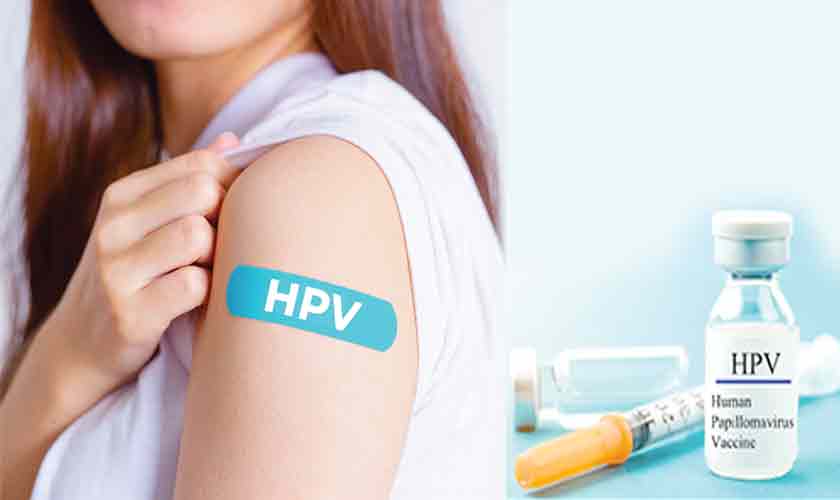
More than 5,000 Pakistani women are diagnosed with cervical cancer annually and thousands die. What makes this tragedy harder to accept is that it is preventable. Countries with strong HPV vaccination programs, such as Australia and Rwanda, have already reported dramatic declines in cervical cancer rates. For Pakistan, where screening and early detection remain limited, prevention through vaccination is not just important - it is essential.
To tackle this situation, the Government of Pakistan recently launched a national initiative to vaccinate girls aged 9 to 14 against HPV. Backed by international partners like Gavi, UNICEF, and the WHO, this vaccine marks a major milestone for Pakistan - placing it among the growing number of countries committed to eliminating cervical cancer. By integrating it into the national immunization schedule, the government has removed the biggest barrier – cost, making protection accessible to every girl.
But challenges remain. The true test is ensuring that parents take their daughters for vaccination, that schools and health centers collaborate effectively, and that misinformation is addressed before it can spread. Without this collective effort, even the most well-designed policies will falter and myths will continue to overshadow the vaccine’s true promise.
But why are families hesitant?
Many parents remain reluctant, driven by myths. Some believe the vaccine causes infertility, which has no scientific basis. Research from more than 15 years of global use shows the vaccine is safe and does not affect fertility. Others dismiss cervical cancer as a ‘Western disease,’ but registries show it is the second most common cancer among Pakistani women. Cost is another concern, though the government now provides the vaccine free for girls aged 9–14. These misconceptions persist because reproductive health is taboo, leaving silence for rumors to spread. Without trusted voices, myths will continue to overshadow facts.
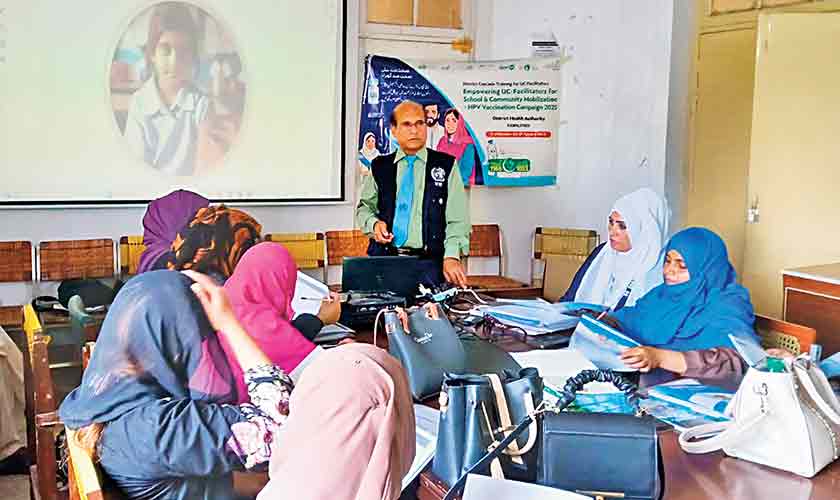
Many parents ask: Why girls between the ages of 9–14 only? Since HPV spreads through marital intimacy and most Pakistani girls in this age group are not yet married, why is the vaccine recommended so early?
The answer lies in prevention. According to WHO and Gavi, girls between 9 and 14 years are the primary target group because this is before exposure to HPV, when the immune system responds most strongly. Vaccinating early ensures full protection before any risk of infection arises in later adolescence or adulthood. Studies show that girls in this age group develop a stronger immune response than older adolescents, which is why a two-dose schedule is sufficient instead of the usual three.
Pakistan is not alone in this journey, as its neighboring countries have already taken steps to protect their adolescent girls.
India included the HPV vaccine in its universal immunization program in 2023, targeting girls aged 9–14 with two doses. To reduce costs, India launched its own domestic vaccine, Cervavac, and trained thousands of doctors to counter misinformation and deliver vaccines through schools. Bangladesh rolled out its HPV vaccination program in phases, beginning with a successful introductory campaign in October 2023 and culminating into a nationwide rollout by late 2024 that reached more than 5.6 million girls. These phases showed high acceptance when teachers, parents, and health workers worked together. These examples show that HPV vaccination is not just a ‘Western idea’ and countries with cultural, religious and economic contexts closer to Pakistan are also embracing it, recognizing the cost of inaction is far greater than the cost of prevention. Pakistan can overcome vaccine hesitancy through a coordinated, multi-pronged strategy. Religious leaders must be taken into confidence about the importance of the vaccine as a protection of life, while awareness campaigns in regional languages should be promoted to counter myths around infertility and morality. School-based programs, supported by the Ministry of Education and its departments, can ensure broad coverage. Equally important is the support of mothers, teachers, and health workers, whose role as trusted advocates will further strengthen the effort.
With faith, outreach, education and openness working together, Pakistan can protect its girls from a preventable disease and turn the promise of prevention into a healthier future for generations to come. Cervical cancer is not inevitable; with timely vaccination and accurate information, it can be prevented. It is one of the few cancers that the world has the power to nearly eliminate through vaccination - but hesitation stands in the way.
Vaccinating our girls against HPV gives them the chance to grow, dream and live fully. Protecting them today secures a tomorrow where no girl’s life is cut short by a cancer that was preventable in the first place.
*The writer is a public health expert and can be reached out at bbzainab1400@gmail.com