World Alzheimer’s Day, observed on September 21st, teaches us patience, empathy, and respect for our elders. You! takes a look…
alzheimer’s
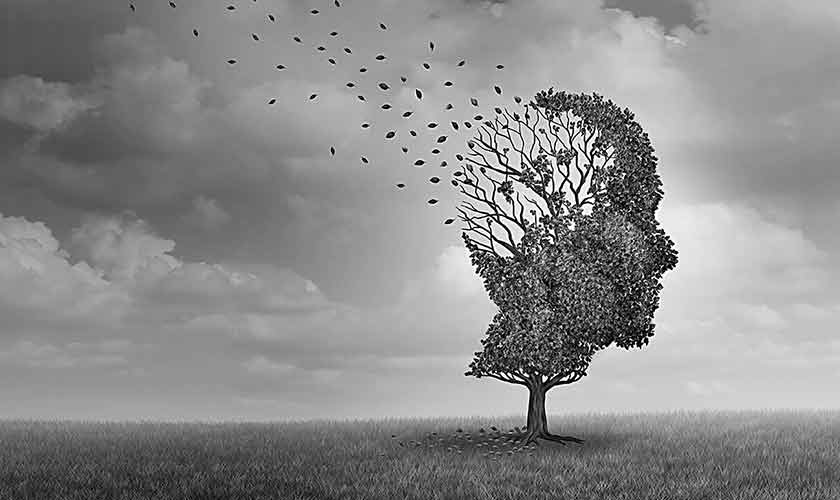
Every year, people around the world come together to raise awareness about Alzheimer’s disease - a condition that gradually affects a person’s memory, thinking, and ability to live independently. Alzheimer’s Awareness Day encourages communities to talk openly, share personal stories, learn more about the disease, and offer support to one another.
Alzheimer’s is the most common type of dementia. It is a progressive brain disorder that slowly destroys memory and thinking skills. In the beginning, a person might forget recent events or familiar names. Over time, they may no longer recognise family members or remember how to carry out basic everyday tasks. Eventually, they require full-time care. This journey can take years and is emotionally painful not only for the person who is unwell but also for their loved ones.
In Pakistan, many families are not fully aware of this disease. Often, people assume that memory loss is simply a natural part of growing old. As a result, many cases go undiagnosed and untreated. There is a lack of understanding, and sometimes families even feel ashamed or confused about what is happening to their loved ones.
In our society, older people are usually cared for at home by family members. While this is a beautiful tradition, it can also be extremely difficult when someone has Alzheimer’s. The person may forget where they are, repeat things again and again, or even become aggressive or frightened. Family members who act as caregivers often do not have the training, support, or knowledge to deal with such situations. They become tired, stressed, and sometimes helpless. There are very few professional care centres in Pakistan - even in big cities like Karachi, Lahore, or Islamabad.
One of the biggest challenges in Pakistan is the lack of awareness. Many people have never heard of Alzheimer’s. There are myths and misconceptions: some believe it is a mental illness caused by stress or a punishment from God, while others think it only affects people who are lonely or sad. Such beliefs prevent individuals from seeking medical advice. In some cases, families turn to spiritual healers or rely on herbal remedies instead of consulting a doctor. While spiritual support can be comforting, Alzheimer’s is a medical condition that requires proper diagnosis and care from trained professionals.
World Alzheimer’s Day is an opportunity to talk openly about the disease in Pakistan. It is a day when media, health professionals, civil society, and communities can come together to spread accurate information. Schools and universities can also play their role by including topics such as brain health and mental well-being in their lessons. Doctors and nurses must be trained to recognise the early signs of Alzheimer’s so that patients can receive help as soon as possible. Early diagnosis can make a significant difference. Although there is no cure, certain medicines and therapies can help manage symptoms and improve quality of life for a period of time.
It is also important to remember the caregivers. In many Pakistani families, daughters, daughters-in-law, or wives take on the role of looking after elderly members. These women often do so without any breaks, working day and night. They may have to give up their jobs or education, and they can become socially isolated or emotionally drained. World Alzheimer’s Day reminds us that caregivers also need care. We must create support groups, counselling services, and training programmes to help them cope with such situations. Employers should also show understanding towards employees who are caring for sick family members.
Government policies can make a big impact. So far, Alzheimer’s is not a major focus of public health programmes in Pakistan. There are few statistics available, and there is no national strategy. According to global estimates, the number of people with Alzheimer’s in Pakistan is expected to double every 20 years. We must act now. This means including Alzheimer’s care in national health plans, training health workers, and investing in community-based services. Public hospitals should have Alzheimer’s clinics, and affordable medicines must be made available.
Technology can also help. Simple tools such as reminder apps, digital photo frames, and tracking devices can support people with memory loss and make life a little easier for their families. There are also opportunities to use mobile health services to reach people in remote areas and educate them. NGOs and private organisations can also play a strong role. Some small organisations in Pakistan have already started awareness campaigns, family support groups, and home care services. These efforts must be encouraged and expanded.
At the same time, we must not forget the emotional and human side of Alzheimer’s. It is more than a disease of the brain; it is a condition that touches the heart. When someone has Alzheimer’s, they may forget facts but still remember feelings. A smile, a song, a familiar scent, or a loving voice can still bring joy. Families should be encouraged to spend quality time with their elderly members, even when communication becomes difficult. It is not just about remembering the past, but also about creating meaningful moments in the present.
Art, music, and storytelling can be powerful tools. In some cases, elderly people who can no longer speak clearly may still sing old songs or respond to familiar tunes. Creative activities like drawing, knitting, or looking at old photos can help them feel connected.
World Alzheimer’s Day teaches us patience, empathy, and respect for our elders. In Pakistan, we often take pride in our strong family ties and respect for elders. Let us now also take pride in how we care for those living with Alzheimer’s.
The road ahead is not easy. It will require awareness, investment, and compassion. But every small step counts. Whether it is sharing a post on social media, attending an awareness session, donating to a cause, or simply spending time with an elderly family member, your actions matter. Together, we can build a kinder, more informed, and more supportive Pakistan for those affected by Alzheimer’s.
The writer is a seasoned journalist and a communications professional. He can be reached at tariqkik@gmail.com