People who stay up late likely to develop diabetes and heart diseases
Experts at Rutgers University discover that night owls were less sensitive to insulin which is a predictor of cardiovascular diseases

A recent research study has shown that staying up late can be detrimental to the health of the heart showing that "night owls" are likelier to develop type 2 diabetes or heart disease.
Experts at Rutgers University discovered that night owls were less sensitive to insulin which is a predictor of cardiovascular diseases.
Fat can build in the body of those who stay up late as they are bad at using fat for energy. On the other hand, early birds rely on fat for energy which makes them more active and fitter.
Researchers divided the participants into two groups based on the time they went to sleep.
Experts analysed the participants using advanced imaging and measured body mass, body compositions, metabolism, and insulin sensitivity. The participants were also monitored over a week to study their daily activities.
The findings published in the journal Experimental Physiology showed that early birds used up more fat both during rest and exercise. They were also found to be more insulin sensitive.
Night owls appeared to be insulin resistant. Their bodies were observed to prefer carbohydrates as the energy source, not fats. The team said that all of these physicological features increase the risk of type 2 diabetes and heart disease.


-
 Alaska cruise struck by third suspected norovirus outbreak in weeks
 -
 Your menstruation tracker may be sharing more than you think: Hidden privacy risks
 -
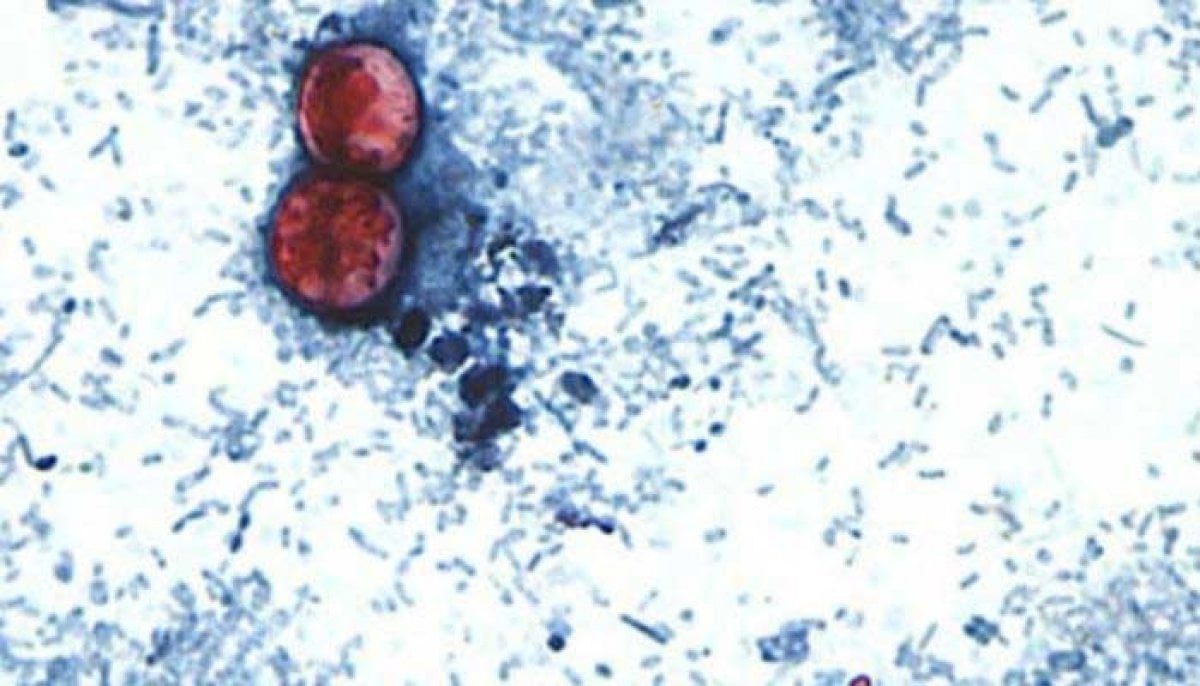
 Parasite behind ‘explosive diarrhea’ spread across 31 US states: What to know
 -
 Tick-borne anaplasmosis on the rise in Canada, CMAJ study warns
 -
 Heat warning in Ontario: here’s what you can do to stay safe during extreme heat waves
 -
 More than 3,000 sick in Michigan and Ohio as Cyclospora outbreak sparks lettuce warning
 -
 Young, healthy non-smokers getting lung cancer? Experts explain why
 -
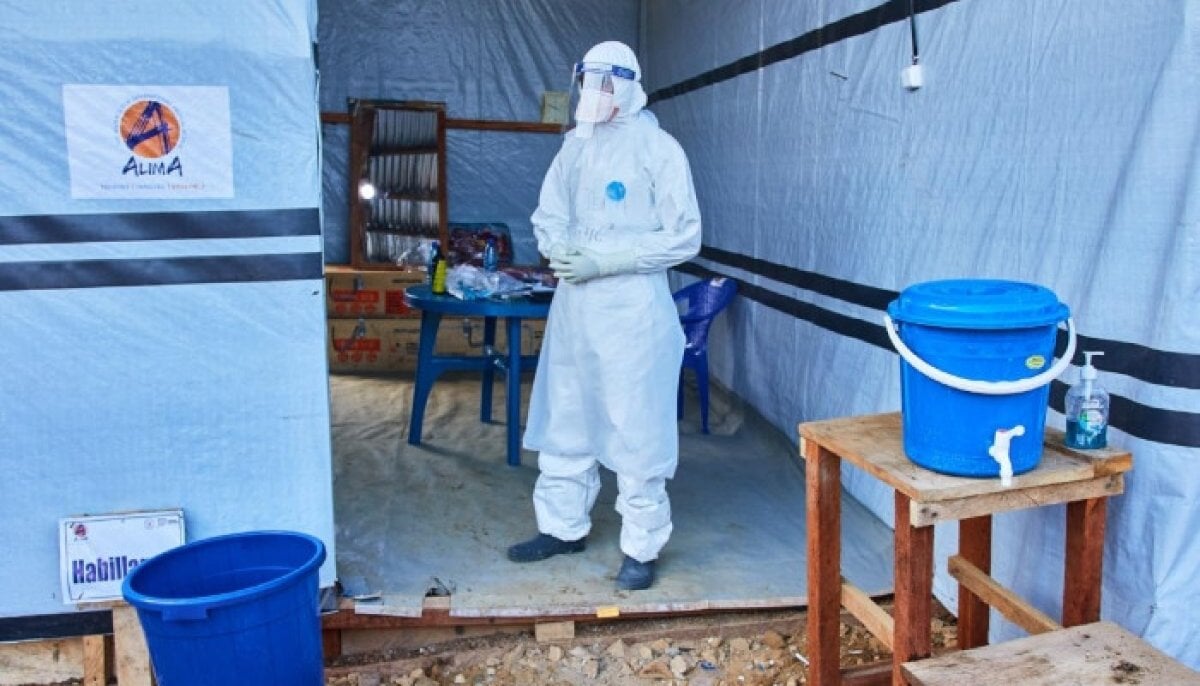 US citizen tests positive for Ebola amid DR Congo outbreak