Indian man tenth in world with rarest blood group on the planet
The unique blood group is called EMM negative blood type and it cannot be put into the existing categories of A, B, O, or AB
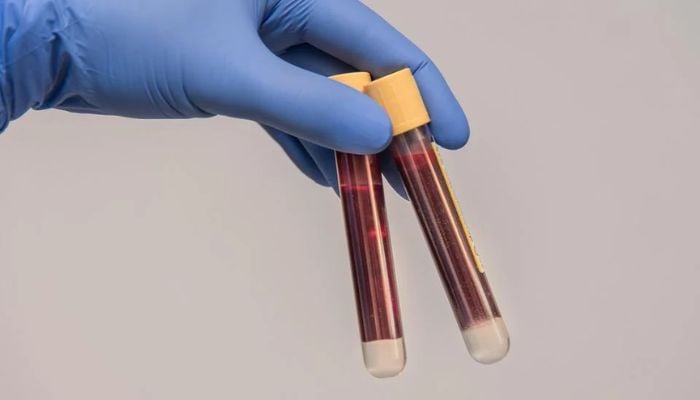
Doctors in India have found a man from Gujarat with the rarest blood group in the world and the first-known case in India, reported India Times.
The unique blood group is called EMM negative blood type and it cannot be put into the existing categories of A, B, O, or AB.
The man with this type is a 65-year-old heart patient.
Around the globe, only nine other people have the same type of blood. Such individuals can neither donate nor accept blood from anyone.
The man from Gujarat is the tenth person who has been identified with EMM negative blood. He was undergoing treatment after suffering from cardiac arrest.
Sanmukh Joshi, a doctor at Samarpan Blood Donation Center, said that the patient needed blood for heart surgery.
After his blood type was found nowhere in the laboratories and blood banks, a sample was sent to America for investigation.
The findings revealed India's first-ever case of the rarest blood group had been found.


-
 ‘Immortal’ jellyfish could hold clues to slowing human ageing
 -
 Ebola crisis worsens in DR Congo as virus reaches eighth province with over 4,500 dead
 -
 Study finds eating blueberries every day can surprisingly boost your mood
 -
 Eli Lilly’s Foundayo weight-loss pill gets European approval recommendation
 -
 What is BPC-157? Trump administration considers easing rules on popular peptide injections
 -
 West Nile virus: Europe reports 141 deaths as human cases rise in 2026
 -
 Health Canada reviewing new mRNA flu vaccine that could prevent more hospitalisations
 -
 Scientists discover hidden drainage route at the back of the eye