Sleep deprivation can make humans selfish: study
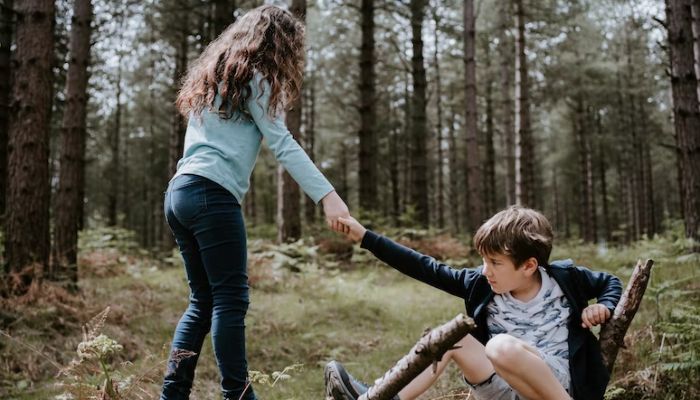
Scientists found that even a little loss of sleep, like an hour, could influence people's decision to help others
A recent study published in the journal PLOS Biology has shown that sleeplessness can affect people's behaviour.
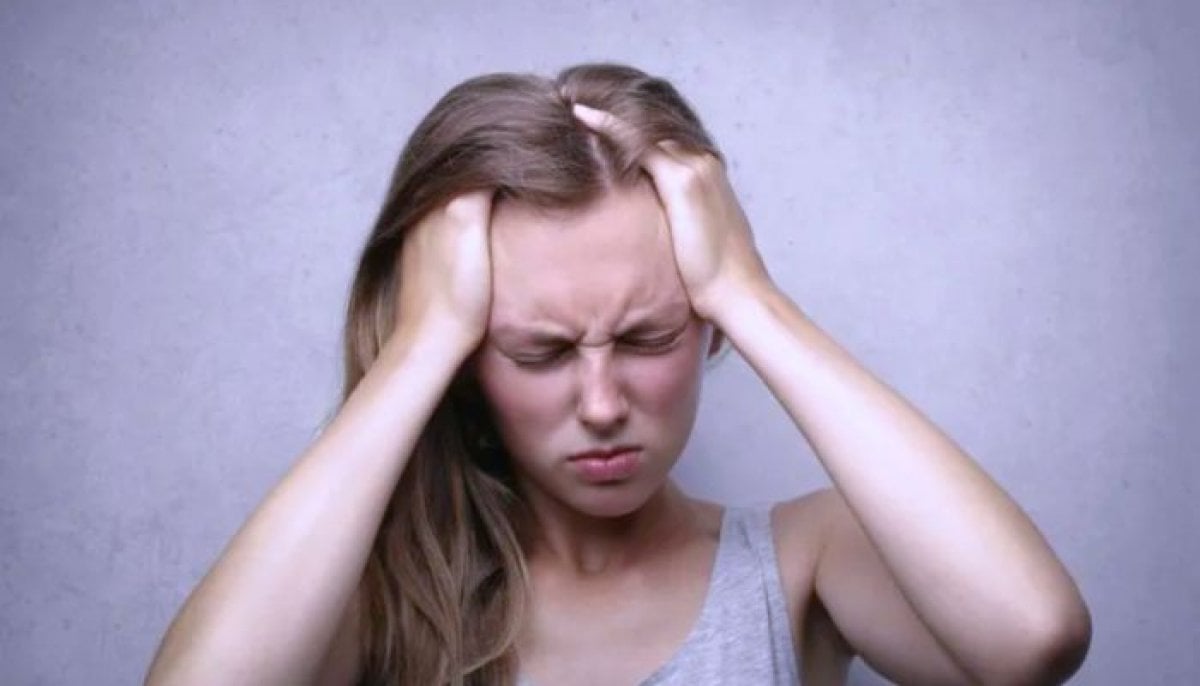
While it is a well-known fact that sleep affects many aspects of health, including skin, hair, and weight, a recent study by the University of California shows that a lack of sleep can make people selfish.
Researchers conducted three studies to analyse the "selfish" effects and studied changes in neural activity.
Scientists found that even a little loss of sleep, like an hour, could influence people's decision to help others, reported CNN.
They told the news outlet that people lose "innate human kindness" with loss of sleep.
Who knew effects of sleep deprivation could go this far?
Studying a database of 3 million charitable donations, experts observed a 10% drop in funding after the introduction of Daylight Saving Time.
When scientists studied the neural networks of people with and without eight hours of sleep, they found that the areas of the brain associated with prosocial behaviours were less active following sleep deprivation.
In a third study, they also found that quality of sleep mattered even more than its quantity. Therefore, both factors affect emotional and social behaviour.


-
 First-of-its-kind treatment shrinks unborn baby’s tumour before birth
 -
 France steps up Ebola support in Congo as fears of resurgence grow
 -
 Vance’s fraud crackdown may raise health insurance costs for Americans
 -
 One common mistake elevates blood pressure readings by 7 points, study warns
 -
 Moderna loses US government license defense in patent case
 -
 Novo says new Ozempic shows lower cardiovascular risk compared with Lilly’s Mounjaro
 -
 University of Nottingham researchers say new gel could regrow tooth enamel in weeks
 -
 New Chinese drug extends stroke treatment window from hours to 2 days: study finds