
Monkeypox scare: Pakistan takes steps after WHO declares global emergency
“No case of monkeypox has been reported in Pakistan so far,” clarifies Abdul Qadir Patel
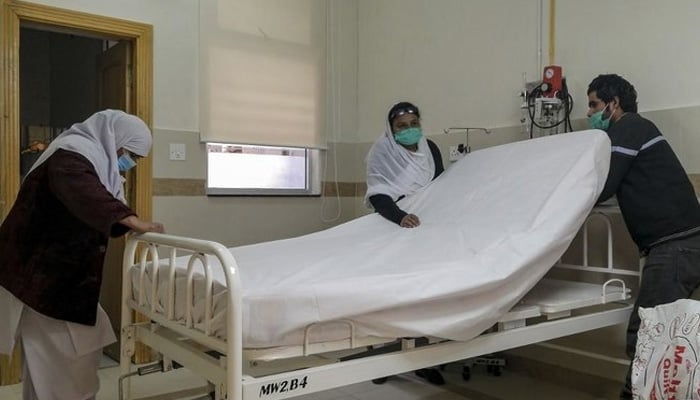
ISLAMABAD: In view of the rising cases of monkeypox across the globe, Minister for National Health Services (NHS) Abdul Qadir Patel on Wednesday directed all the hospitals to take necessary measures to deal with the situation.
On July 23, WHO Director-General Tedros Adhanom Ghebreyesus said that the rapidly spreading monkeypox outbreak represents a global health emergency, the body’s highest level of alert.
Presiding over a special meeting on monkeypox, the health minister said that they were effectively monitoring the situation relating to the disease.
“No case of monkeypox has been reported in Pakistan so far,” the minister clarified.
He added that over 16,000 cases of the virus have been reported in 75 countries so far.

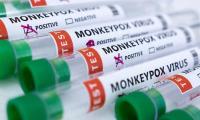
'Health emergency'
On last Saturday, the WHO said that the monkeypox outbreak represents a global health emergency.
The WHO label — a "public health emergency of international concern" — is designed to sound an alarm that a coordinated international response is needed and could unlock funding and global efforts to collaborate on sharing vaccines and treatments.
Announcing his decision to declare the health emergency during a media briefing in Geneva, Tedros confirmed that the committee had failed to reach a consensus, with nine members against and six in favour of the declaration.
Previously, Tedros has typically endorsed expert committee recommendations, but the sources said he had likely decided to back the highest alert level due to concerns about escalating case rates and a short supply of vaccines and treatments, despite the lack of a majority opinion.
Lawrence Gostin, a professor at Georgetown Law in Washington, DC who follows the WHO, said he applauded the political bravery of the agency.
"It does nothing but burnish the stature of WHO. The right result is clear – not declaring an emergency at this point would be a historic missed opportunity."
So far this year, there have been more than 16,000 cases of monkeypox in more than 75 countries and five deaths in Africa.
The viral disease — which spreads via close contact and tends to cause flu-like symptoms and pus-filled skin lesions — has been spreading chiefly in men who have sex with men in the recent outbreak, outside Africa where it is endemic.


-
 EU launches investigation into Sanofi over alleged flu vaccine disparagement
 -
 How to survive Heatwave: Expert tips to stay cool in extreme temperatures
 -
 Rare genetic clue linked to healthy aging found in long-lived families
 -
 French fries raise diabetes risk 20%: New study warns
 -
 Study shows near-zero cervical cancer risk in young women
 -
 HPV vaccine study finds sharp fall in cervical cancer mortality
 -
 FDA upgrades Alfredo sauce recall affecting 41 states to ‘highest risk’ level
 -
 Is sleeping with your cat or dog bad for you? Here’s what study says


