COVID-19 positivity rate exceeds 22% in Karachi
Sindh’s overall positivity rate stands at 6.17%, Punjab’s 1.17%, Khyber Pakhtunkhwa’s 1.15% and AJK’s 2.94, says the NIH
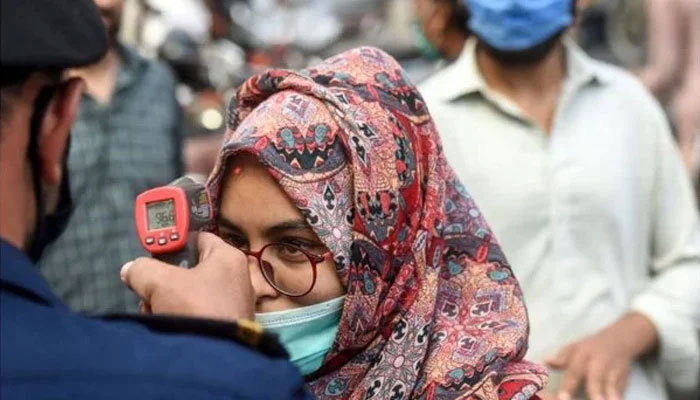
KARACHI: Pakistan logged 382 daily COVID-19 infections on Monday as Karachi’s positivity rate surged to 22.65 — the highest in the country — during the past 24 hours, according to the statistics of the National Institute of Health (NIH).
In view of the recent spike in COVID-19 cases in the country, the health experts had warned that the surge in new infections may turn into the sixth wave of the pandemic.
In Karachi, 234 new infections were detected after 14,437 diagnostic tests were conducted over the past 24 hours. Meanwhile, Hyderabad reported 0.3% positivity rate, Mardan 2.44%, Islamabad 2.31%, Lahore 2.76%, Peshawar 3%, Sargodha 1.64% and Rawalpindi 1.05%.
In addition to this, Sindh’s overall positivity rate stands at 6.17%, Punjab’s 1.17%, Khyber Pakhtunkhwa’s 1.15% and AJK’s 2.94, said the NIH.
As per the latest statistics of the NIH, two more people succumbed to the virus in the country during the past 24 hours.
The fresh infections — detected after diagnostic testing on 13,412 samples — took Pakistan's COVID-19 positivity rate to 2.85% and the total case count to over 1.53 million.
Meanwhile, 87 patients suffering from the disease are being treated in intensive-care units (ICUs), while two others succumbed to the virus, taking the country's COVID-19 death toll to 30,390.
With the fresh cases and deaths, Pakistan's number of active cases stands at 4,632.


-
 France steps up Ebola support in Congo as fears of resurgence grow
 -
 Vance’s fraud crackdown may raise health insurance costs for Americans
 -
 One common mistake elevates blood pressure readings by 7 points, study warns
 -
 Moderna loses US government license defense in patent case
 -
 Novo says new Ozempic shows lower cardiovascular risk compared with Lilly’s Mounjaro
 -
 University of Nottingham researchers say new gel could regrow tooth enamel in weeks
 -
 New Chinese drug extends stroke treatment window from hours to 2 days: study finds
 -
 Trump’s FDA nominee Heidi Overton defends vaccines, contradicting his claims