Pentagon gets a new chief for Middle East
"It is time to bring these conflicts to a conclusion. This won´t be as quick as anyone would like, but it can be done if we continue to keep our objectives and interests in mind, trust our partners, and enable our forces," Votel stressed.
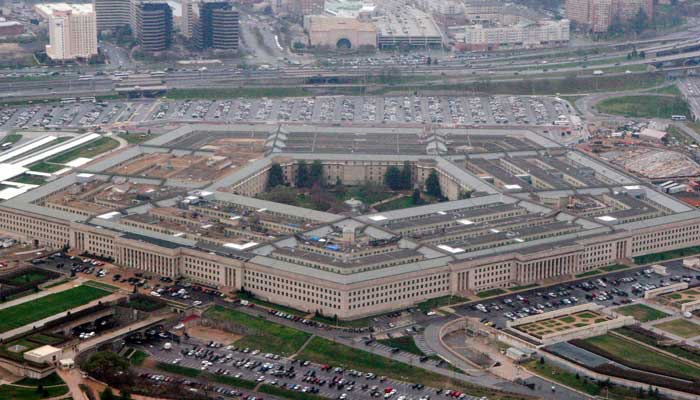
WASHINGTON: General Frank McKenzie on Thursday took over the leadership of the US Central Command, which oversees US military operations in countries including Syria and Afghanistan.
At a ceremony led by Acting US Defense Secretary Patrick Shanahan, McKenzie pledged to continue the work done by his predecessor, General Joseph Votel, who is retiring.
Votel for his part said that while the IS group had lost its "caliphate" and peace talks with the Taliban appeared to be progressing, the US military presence in Syria and Afghanistan was still necessary.
"It is time to bring these conflicts to a conclusion. This won´t be as quick as anyone would like, but it can be done if we continue to keep our objectives and interests in mind, trust our partners, and enable our forces," Votel stressed.
McKenzie, 62, is familiar with Afghanistan after being twice deployed there, and has also served in Iraq.
During his confirmation hearing in early December, he voiced concern about a premature military withdrawal from Afghanistan, where local forces took over at the start of 2015, succeeding NATO troops helping in the fight against the Taliban.


-
 UAE calls for global force to reopen Strait of Hormuz
 -
 China boycotts global AI conference following restrictions from US-sanctioned research entities
 -
 Intense lightning and thunderstorms light up UAE skies amid heavy rainfall
 -
 US currency shake-up: Trump signature to replace 165-year historic tradition
 -
 White House fuels online frenzy as deleted clip sparks conspiracy theories
 -
 SDGE power outage impacts tens of thousands in North County as crews restore electricity
 -
 Erika Kirk mocked in viral Druski skit as comedian draws millions of views online
 -
 'Cicada' COVID variant detected in multiple countries as experts study mutation risks