NASA captures unprecedented images of supersonic shockwaves
When an aircraft crosses that threshold -- around 1,225 kilometers (760 miles) per hour at sea level -- it produces waves from the pressure it puts on the air around it, which merge to cause the ear-splitting sound.
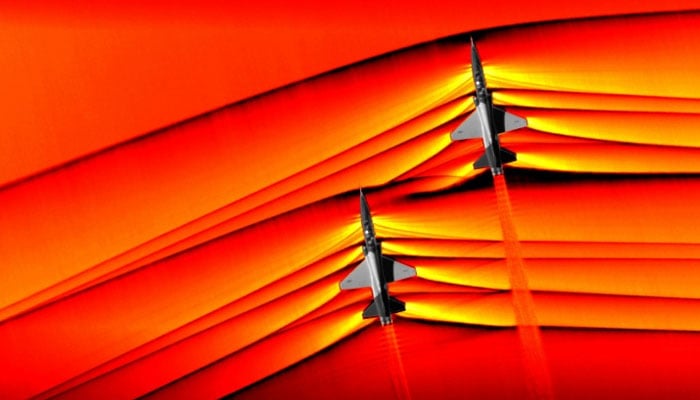
NASA has captured unprecedented photos of the interaction of shockwaves from two supersonic aircraft, part of its research into developing planes that can fly faster than sound without thunderous "sonic booms".
When an aircraft crosses that threshold -- around 1,225 kilometers (760 miles) per hour at sea level -- it produces waves from the pressure it puts on the air around it, which merge to cause the ear-splitting sound.
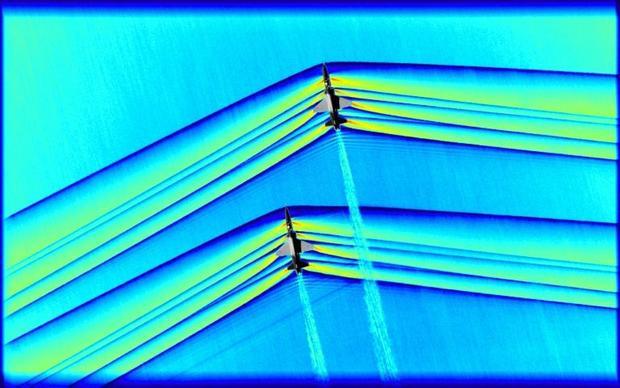
In an intricate maneuver by "rock star" pilots at NASA´s Armstrong Flight Research Center in California, two supersonic T-38 jets flew just 30 feet (nine meters) apart below another plane waiting to photograph them with an advanced, high-speed camera, the agency said.
The rendezvous -- at an altitude of around 30,000 feet -- yielded mesmerizing images of the shockwaves emanating from both planes.
With one jet flying just behind the other, "the shocks are going to be shaped differently", said Neal Smith of AerospaceComputing Inc, an engineering firm that works with NASA, in a post on the agency´s website.
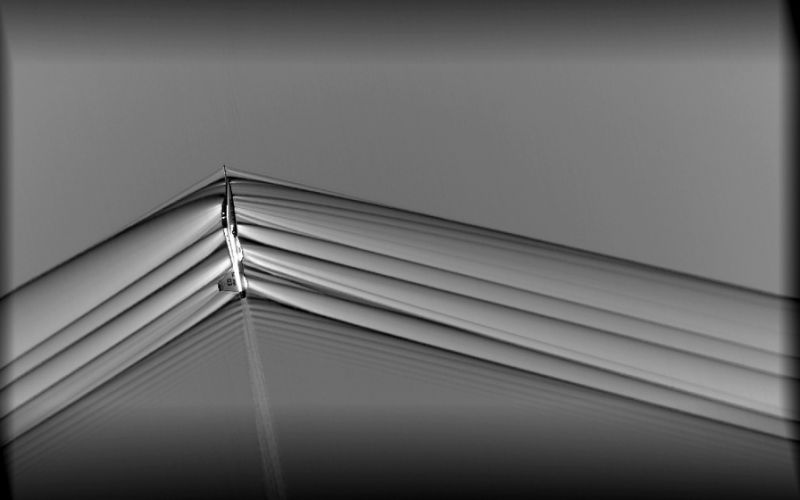
"This data is really going to help us advance our understanding of how these shocks interact."
Sonic booms can be a major nuisance, capable of not just startling people on the ground but also causing damage -- like shattered windows -- and this has led to strong restrictions on supersonic flight over land in jurisdictions like the United States.
The ability to capture such detailed images of shockwaves will be "crucial" to NASA´s development of the X-59, the agency said, an experimental supersonic plane it hopes will be able to break the sound barrier with just a rumble instead of a sonic boom.
A breakthrough like that could lead to the loosening of flight restrictions and the return of commercial supersonic planes for the first time since Concorde was retired in 2003.
Some countries and cities banned the Franco-British airliner from their airspace because of its sonic booms.


-
 Iran conflict sparks rising diesel costs, straining US school budgets
 -
 Savannah Guthrie mother Nancy kidnapping case: Shocking claim sparks reactions
 -
 American doctor, affected by Hondius ship Hantavirus breaks his silence
 -
 Asteroid 2026 JH2 to pass extremely close to Earth on May 18: Should we be concerned?
 -
 Israel confirms death of Hamas military leader Izz ad-Din al-Haddad
 -
 Southern California on alert: High winds trigger wildfire and dangerous seas
 -
 President Putin to visit China on May 19–20 after Trump’s trip, drawing global attention
 -
 Belfast’s green push grows with 300,000 trees, new community orchards
-
 Tragedy in Western Australia: Man dies after shark bite off the coast of Perth
 -
President Donald Trump under fire after admitting ‘America is nation in decline’
-
U.S. President Donald Trump reveals what happened to Abu-Bilal al-Minuki
-
Why Trump wants chipmakers to move manufacturing back to US after Xi summit