Scientists discover two new bat species in Europe, North Africa
The new bat species discovered in Europe is called "Myotis crypticus" and lives in wooded areas in Italy, France, Switzerland and Spain, researchers said, led by a team at Spain´s National Research Council.
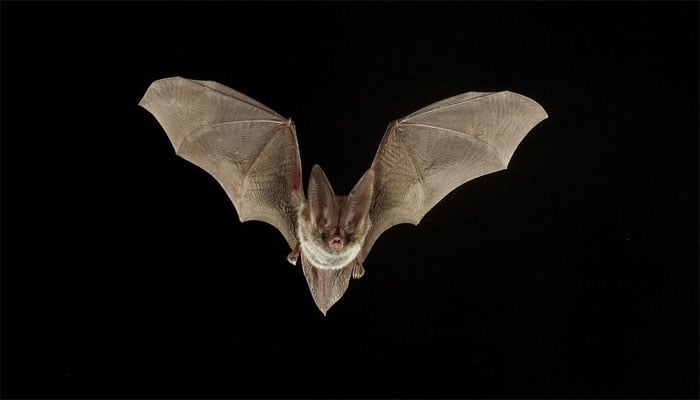
Madrid: A new species of bat has been discovered in wooded areas of Europe, an international team of researchers said on Tuesday, as well as another "very rare" species that lives in caves in North Africa.
The findings add to the family of roughly a thousand species of bats, an order of mammals which are capable of transmitting and receiving ultrasound, allowing them to fly and navigate in total darkness.
The new bat species discovered in Europe is called "Myotis crypticus" and lives in wooded areas in Italy, France, Switzerland and Spain, researchers said, led by a team at Spain´s National Research Council.
The species faces "growing human pressure", they said.
The bats had "gone unnoticed until now" because they "are represented by 53 species in Europe but many of them are enormously similar," said Javier Juste, a researcher at the Donana biological station in southern Spain, in the statement.
"We had to resort to genetic comparisons to verify their identity," he added.
The same study discovered a new species in North Africa called "Myotis zenatius" which is "extremely rare and vulnerable", the National Research Council said.
This species can only be found in a few caves in mountainous regions of Morocco and Algeria, it added.
"It is possible that it already deserves to be included on the list of species in danger of extinction," the researchers said.
lbx/ds/dcr


-
 Draconid meteor shower tonight: Best time and places to see it
 -
 Italy's PM Meloni secures final approval for contested electoral reform
 -
 UK's FCA proposes 90-day notice period on illiquid assets to curb fund suspensions
 -
 Italy open to more oil stock releases contingent on European pledges
 -
 Zelenskyy makes next move in Russia talks as Ukraine negotiators head to US
 -
 Anne Carson wins Nobel Prize in Literature for ‘bold, inventive’ writing
 -
 ‘A dream for 50 years’: Why world’s first nuclear clock could change timekeeping
 -
 South Korea recalls Ukraine ambassador over North Korean POW dispute
-
 Hurricane Isaias strengthens on path: Which US Gulf Coast states are at risk?
 -
UK, Germany unite against Russia’s ‘shadow war’ as spy chief warns of ‘violent conflict’
-
US, Russia explore gas sales to Europe via Nord stream pipelines amid Ukraine conflict
-
When will Trump, Putin speak? Kremlin responds to ‘very soon’ call claim