China prohibits use of ‘anti-Islamic’ words on social media
China, in order to strengthen national unity in the country, has banned the use of ‘anti-Islamic’ words on the social media.
Termed as a national policy that is majorly in favour of the Muslim minorities, this rule was laid down after the clash that involved Muslims fighting at a toll booth went viral.
In its efforts to curb online hate speech, China’s Weibo microblog blocked the posting of phrases that proved to be disrespectful to the Muslims. Insults, mockery along with other defamatory terms have been banned by the search engine too.
Over the years, complainers have objected to the discrimination Muslims are subjected to, as a result of some Chinese authorities’ policies. The banning of Islamophobic terms by Chinese authorities was then put forth.
"It's necessary to timely remove radical phrases that discriminate against Islam and are biased against Muslims to prevent worsening online hatred towards the group. Those phrases severely undermine religious harmony and ethnic unity," said Xiong Kunxin, a professor at Beijing's Minzu University of China in Beijing.
He further assured that such policies do not curtail the freedom of speech of people. Rather, they promote ethnic diversity and harmony in the longer run.
Although officially atheist, China has ensured the satisfaction of 20 million Muslims that currently reside in China. It was only recently that it facilitated 12,800 Muslims in making their pilgrimage to Makkah, and barricaded streets for Muslims to help them celebrate Eid-ul-Fitr.


-
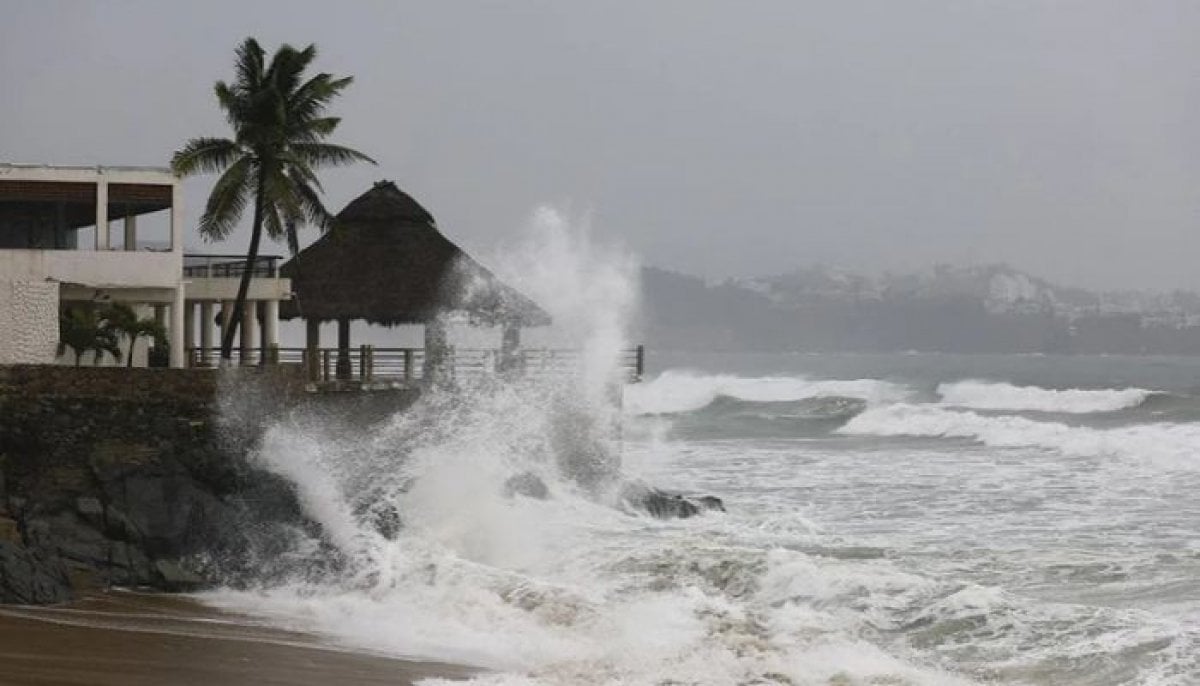 Mexico's Sheinbaum sends urgent message to coastal residents as Hurricane Simon nears
 -
 Djibouti migrant boat capsizes, leaving 139 dead, including 15 children
 -
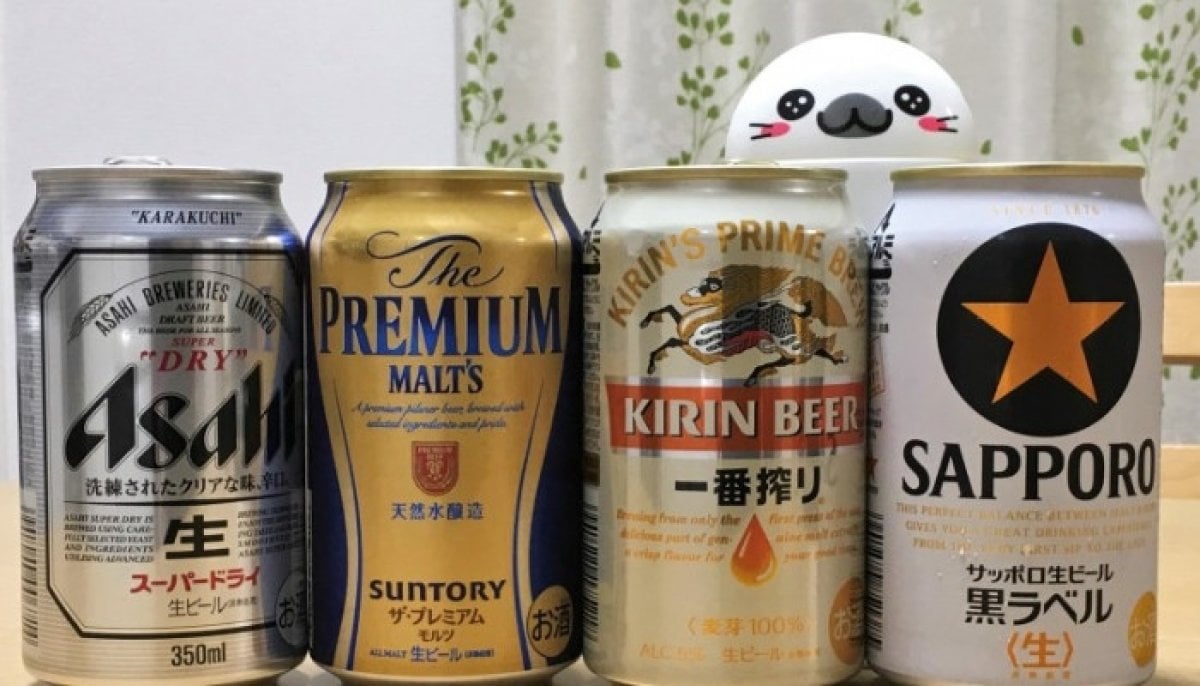 Japan's biggest beer brands face investigation over alleged price-fixing scheme
 -
 South Korea warns of legal action if Russia-bound fuel shipments violate domestic laws
 -
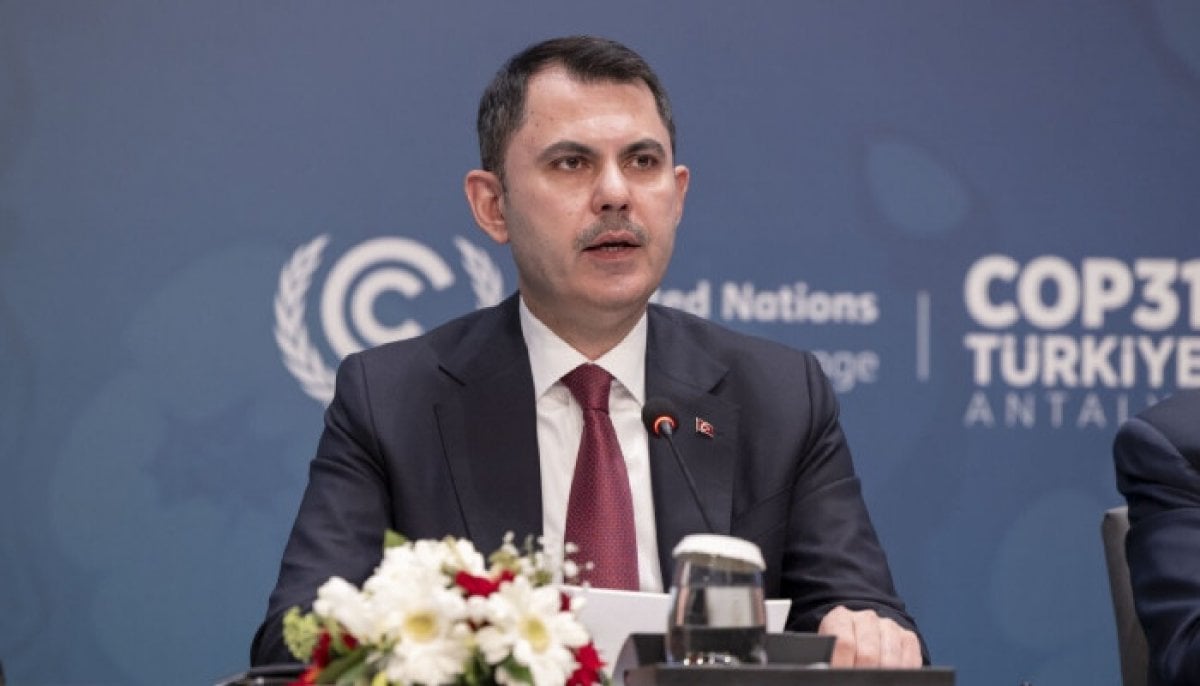 Wealthy countries must spend ‘much more’ on climate than defence, COP31 host says
 -
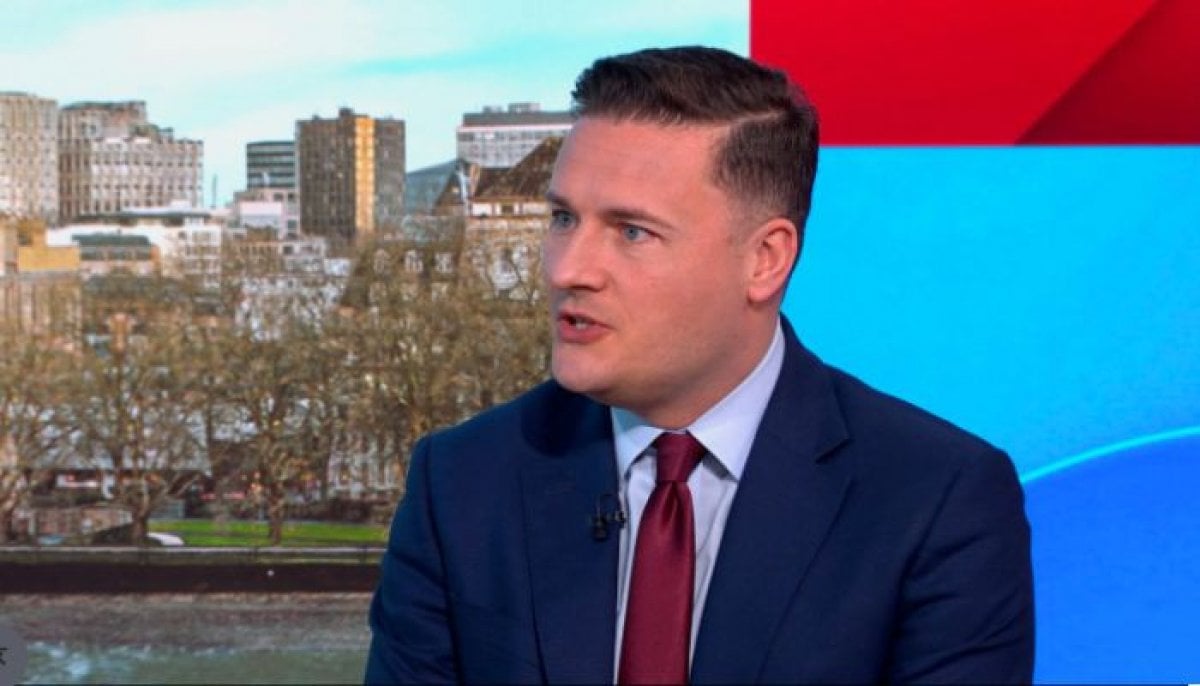 UK's Wes Streeting says, Trump's diesel deal is 'apolitical reality' ahead of midterms
 -
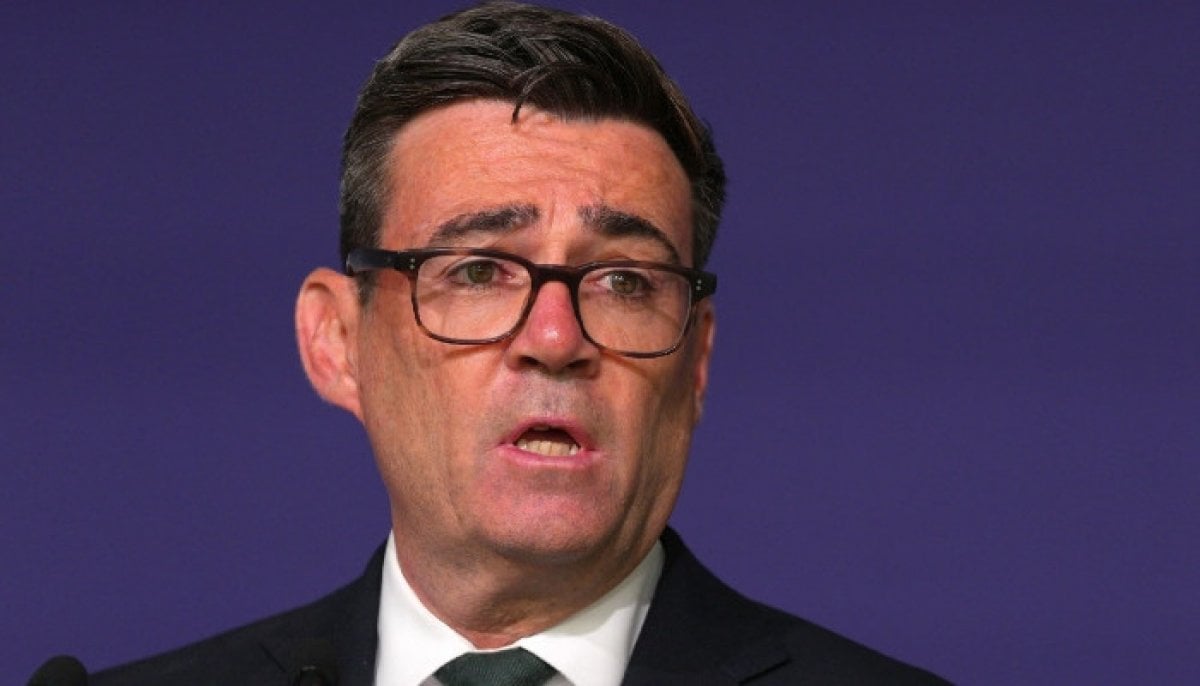 Russia interfered in 2016 Brexit referendum, Andy Burnham says
 -
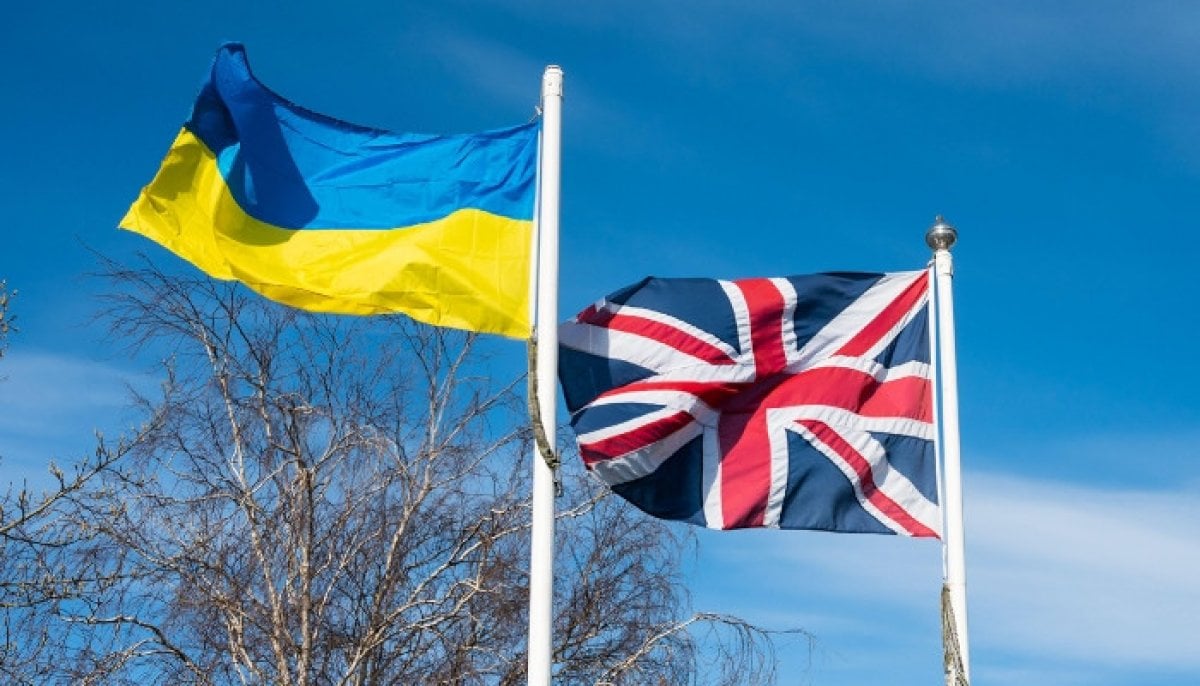 Britain defends Zelenskyy as Trump blames Ukraine for rising US diesel prices
-
 Zelensky signals willingness to accept 'energy ceasefire' but sets condition
 -
Western North Carolina faces severe flooding, landslides and power outages
-
ICE agent caught on camera hitting man with vehicle during Houston operation
-
France backs Carney’s handling of Trump and pushes for stronger Canada-EU alliance