NEW DELHI: India has not sent an official delegation to attend the "Belt and Road Forum" in Beijing and instead criticised China´s global initiative, warning of an "unsustainable debt burden" for countries involved.
Chinese President Xi Jinping is hosting dozens of world leaders and senior officials on Sunday for the country´s biggest diplomatic showcase of the year, touting his vision of a new "Silk Road" that opens trade routes across the globe.
Government officials from New Delhi did not travel, Indian officials said, although scholars from Indian think-tanks have flown to Beijing to attend some of the meetings at the forum.
Indian foreign ministry spokesman Gopal Baglay, asked whether New Delhi was participating in the summit, said India could not accept a project that compromised its sovereignty.
India is incensed that one of the key Belt and Road projects passes through Kashmir and Pakistan.
The nuclear-armed rivals have fought two of their three wars over the disputed region.
"No country can accept a project that ignores its core concerns on sovereignty and territorial integrity," Baglay said.
He also warned of the danger of debt.
One of the criticisms of the Silk Road plan is that host countries may struggle to pay back loans for huge infrastructure projects being carried out and funded by Chinese companies and banks.
"Connectivity initiatives must follow principles of financial responsibility to avoid projects that would create unsustainable debt burden for communities," Baglay said.
New Delhi´s criticism of the Belt and Road initiative came as Xi pledged $124 billion to the plan, and called for the abandonment of old models based on rivalry and diplomatic power games.
Leaders from 29 countries and ministerial delegates from many more are attending the forum in Beijing, including India´s smaller neighbours - not just Pakistan, but also Sri Lanka and Nepal.
Baglay said India supported greater connectivity across the region and listed the initiatives it was involved in, including highway projects and the North-South corridor in Central Asia, but he said these had to be developed in a transparent manner.
"We are of firm belief that connectivity initiatives must be based on universally recognized international norms, good governance, rule of law, openness, transparency and equality," he said in a statement.
As well as the corridor through Pakistan, India is worried more broadly about China´s economic and diplomatic expansion through Asia, and in particular across countries and waterways that it considers to be its sphere of influence.


-
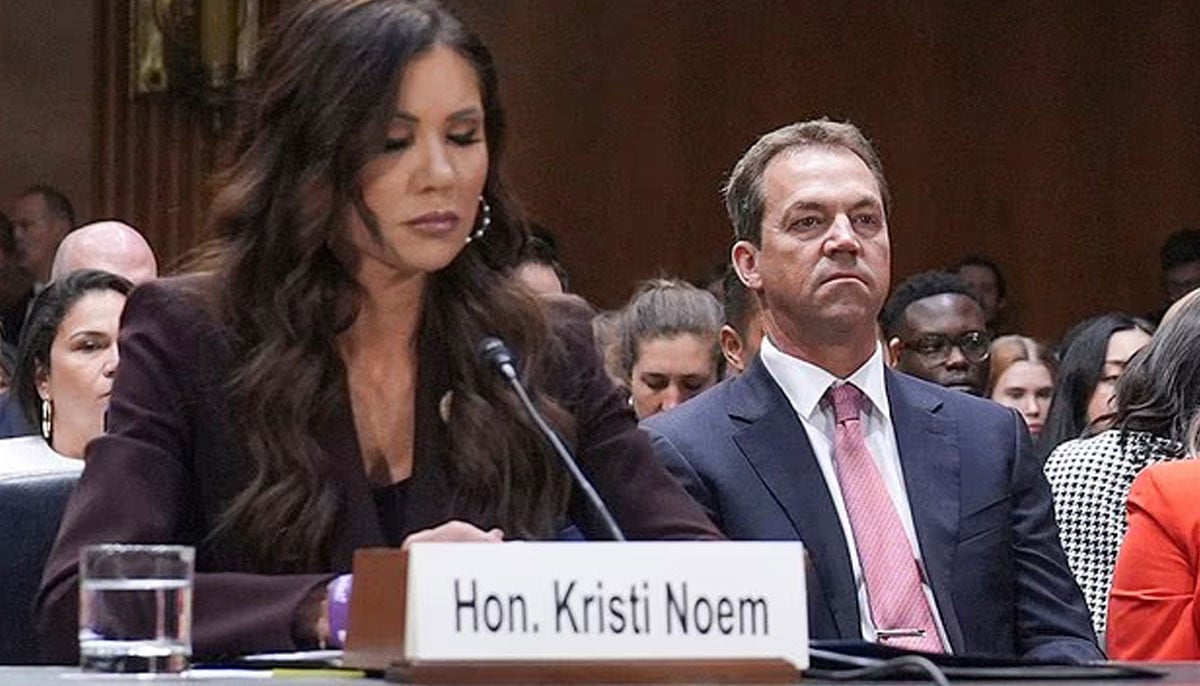 Kristi Noem's husband was blackmailed by hostile intelligence services?
 -
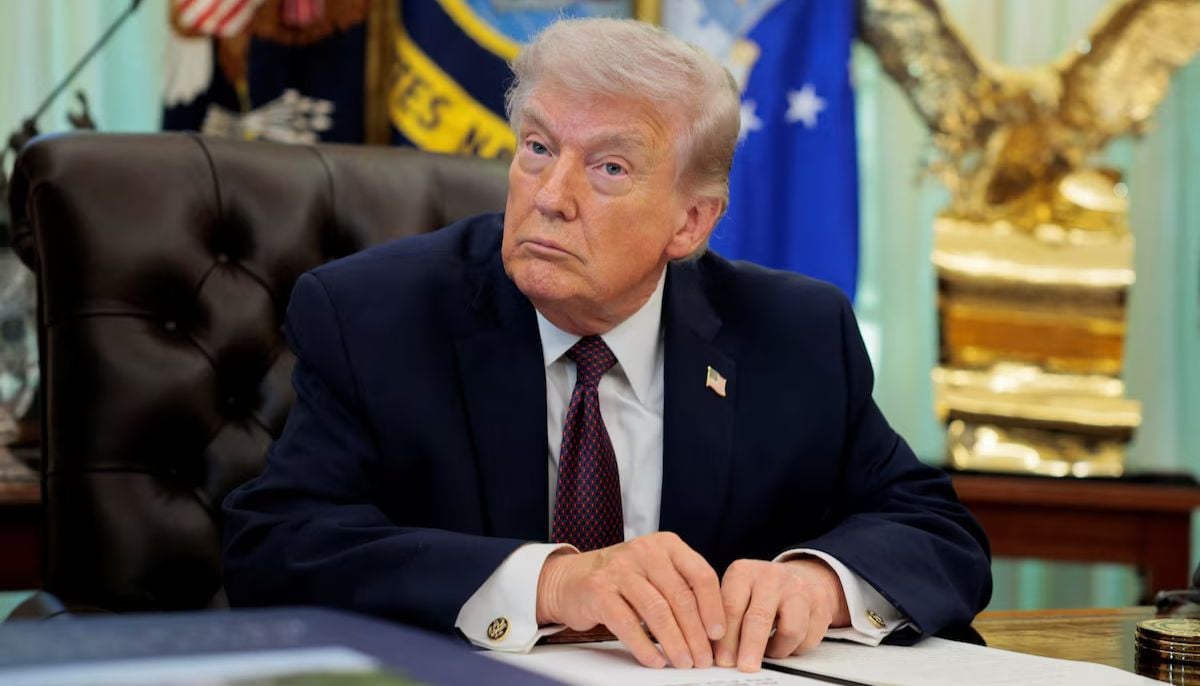 Trump signals possible US exit from Nato, claims allies ‘weren’t there for us’
 -
 Tiger Woods, girlfriend Vanessa Trump relationship in trouble: 'Kids come first'
 -
 April Fools’ Day mystery explained with theories linking pranks to calendar reforms and folklore
 -
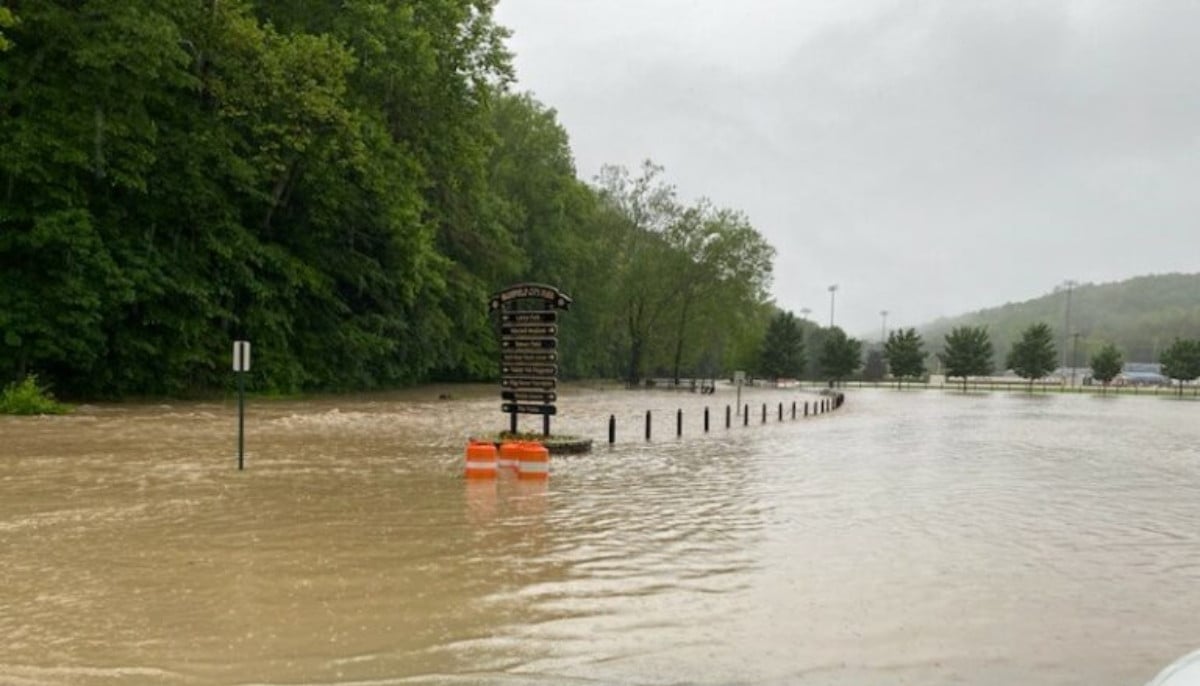 Flash flood warning in effect for Lawrence and Mercer counties amid storms and rising water levels
 -
 Mexico oil spill dispute grows as environmental groups accuse government of hiding true source
 -
 Tornado warning issued as severe storms cause damage and power outages across Northeast Ohio
 -
 Oracle layoffs: thousands reportedly lose jobs amid push for AI-driven efficiency