UN condemns US plan to livestream Fort Hood gunman’s execution
The Pentagon confirmed Thursday that Hasan, 56, would be executed on December 3 at Fort Hood, Texas
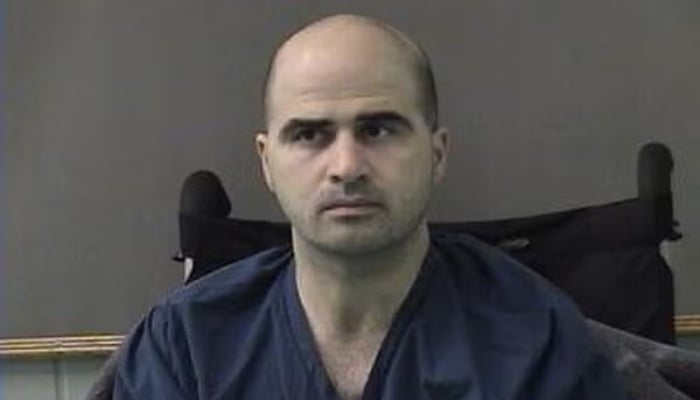
US President Donald Trump's administration is facing international criticism over plans to livestream the firing squad execution of Nidal Hasan, a former US Army psychiatrist convicted of killing 13 people in 2009.
The Pentagon confirmed Thursday that Hasan, 56, would be executed on December 3 at Fort Hood, Texas.
The United Nations human rights office warned that broadcasting the execution would “breach the absolute prohibition of torture”.
Former US Secretary of State Hillary Clinton condemned the decision, writing: “A barbaric idea, beneath our dignity as a country. Push back on this.”
British equalities minister Bridget Phillipson also described the proposal as “rather disturbing”.
US President Donald Trump approved the execution method following a recommendation from Defence Secretary Pete Hegseth.
Vice-President JD Vance said he would not watch the broadcast but defended the focus on Hasan’s crimes.
“Whatever the controversy is about the method of the execution, I hope the people don’t forget that this is a guy who brutally murdered a lot of innocent people,” Vance said.
Hasan was convicted in 2013 of 13 murders and 32 attempted murders following the Fort Hood shooting. He was partly paralysed during his arrest and now uses a wheelchair.
The execution would be the first carried out by a US military firing squad since 1945.


-
 Trump targets ICC with sanctions over war crimes investigations
 -
 Katie Zacharia could replace Karoline Leavitt as Trump’s White House spokesperson
 -
 Panama earthquake: 7.6-magnitude quake sparks tsunami alerts across Central America
 -
 Trump announces Russia diesel deal with Putin to lower surging US fuel prices
 -
 Trump launches White House inquiry into federal reserve governor Lisa Cook
 -
 Bipartisan poll shows most Americans blame Trump Policies for rising costs ahead of midterms
 -
 US imposes sanctions on ICC after former judge wins Nobel Peace Prize
 -
 Jane Doe text exchange reveals shifting narrative in the Cornell 7 assault case