Meta glasses lawsuit now covers people who never wore them
An amended class action accuses Meta of routing intimate Ray-Ban footage to Kenyan contractors
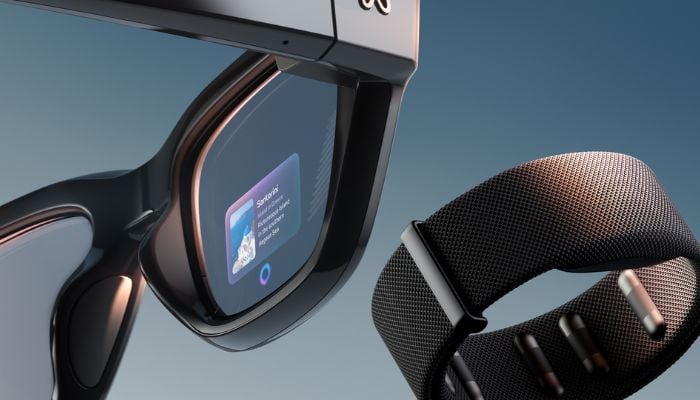
Meta's Ray-Ban smart glasses are facing a legal problem that now reaches well beyond the people who actually bought them. An amended class action filed August 31 in federal court expands an existing case to cover bystanders, people who never wore or owned the glasses but were allegedly recorded by someone who did.
The case revolves around allegations that video recorded by Meta Ray-Ban glasses was passed onto Sama, a Nairobi-based outsourced company, where the workers were analysing and tagging them to train AI technology.
Based on the complaint, it included people going using restrooms, disrobing themselves, engaging in intimate activities, and even children being bathed or changed with faces supposedly identifiable despite the efforts made by Meta to anonymise them.
The case leans heavily on a specific claim Meta made when the glasses launched: that they were "built with privacy at their core".
Plaintiffs argue that promise didn't hold up, drawing on testimony from Sama workers who described their review work to Swedish investigative journalists earlier this year.
One contractor told reporters that a wearer's wife came into a room and changed clothes after he left the glasses on a bedside table, unaware the device was still capturing footage.
Courts have historically been cautious about letting people who never used or bought a product bring privacy claims tied to it.


-
 Excel's new copilot feature turns data into live dashboard
 -
 OpenAI, Microsoft sued by US newspapers over AI training
 -
 Musk's xAI loses court bid to block Minnesota’s strict Deepfake pornography ban
 -
 Google launches Lyria 3.5: Everything you need to know about its AI music model
 -
 Altman says curing cancer isn't ambitious enough for AI
 -
 US turns to AI productivity as worker income share hits record low
 -
 Apple’s iPhone Ultra reportedly won’t include black option
 -
 DeepSeek plans massive Huawei chip order for Mongolia data center