US weekly jobless claims fall again: What it means for the economy
The US jobless claims reinforce ongoing labor market resilience

The number of Americans filing for unemployment benefits slipped last week, suggesting continued stability in the US labour market despite a surprise drop in employment in July.
The Labor Department confirmed on Thursday that new unemployment benefit filings fell by 6,000 to a seasonally adjusted v 206,000 for the week that ended on August 15. Given the major development, economists' poll had forecasted 210,000 claims for the latest week.
While claims are hovering at the lower end of their 189,000-230,000 range this year, the focus is on companies keeping their staff.
The US jobless rate implies a slight decrease to 4.1% marking a historically low level. The labor market stability with the signs of mild inflation maintains the status quo on rates unchanged in September. It has been observed that US jobless claims drop to 206K as the labor market delivers a stronger than expected signal.
Furthermore, the claims report showed that the number of people collecting unemployment after an initial week of assistance such-a proxy for hiring, rose by 18,000 to a smooth 1.799 million during the week ending on August 8.


-
 OPEC+ agrees to keep November oil targets steady amid market uncertainty
 -
 Meta’s AI data centers: What to know about its major tax strategy
 -
 Tesla’s Cybercab faces a tough test after rocky Austin debut: Here's why
 -
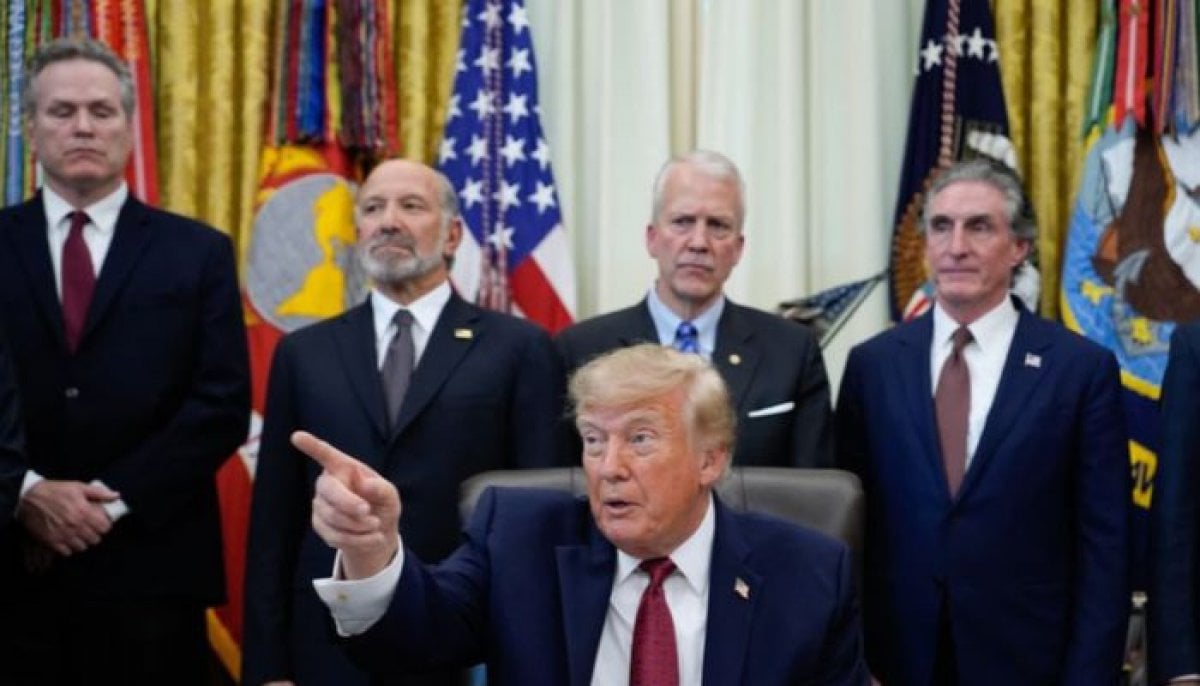 Trump pushes South Korea on Alaska LNG deal: Why Seoul is hesitant
 -
 AI boom could trigger severe market shocks, Bank of England warns
 -
 US inflation rises less than expected: What to know
 -
 OpenAI’s revenue run rate nears $70 billion: What to know
 -
 Canada’s economy records zero growth in July as key sectors decline
-
 UK diesel price hits all-time high amid Middle East supply crunch, RAC warns
 -
Meta’s Muse AI agent gets new tools for small businesses: What to know
-
China weighs allowing ByteDance, Alibaba to purchase new Nvidia RTX Pro 5500 chips
-
Why Bill Gates is calling for stronger AI rules amid growing safety concerns