Tesla’s Cybercab faces a tough test after rocky Austin debut: Here's why
Tesla’s Cybercab has grown to a major presence in Austin units but faces a first-responder safety concerns
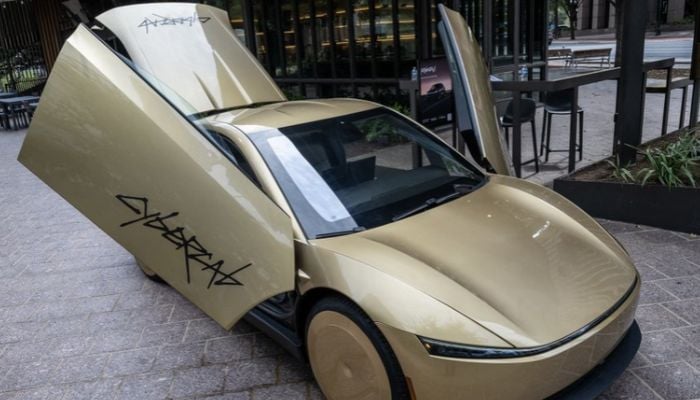
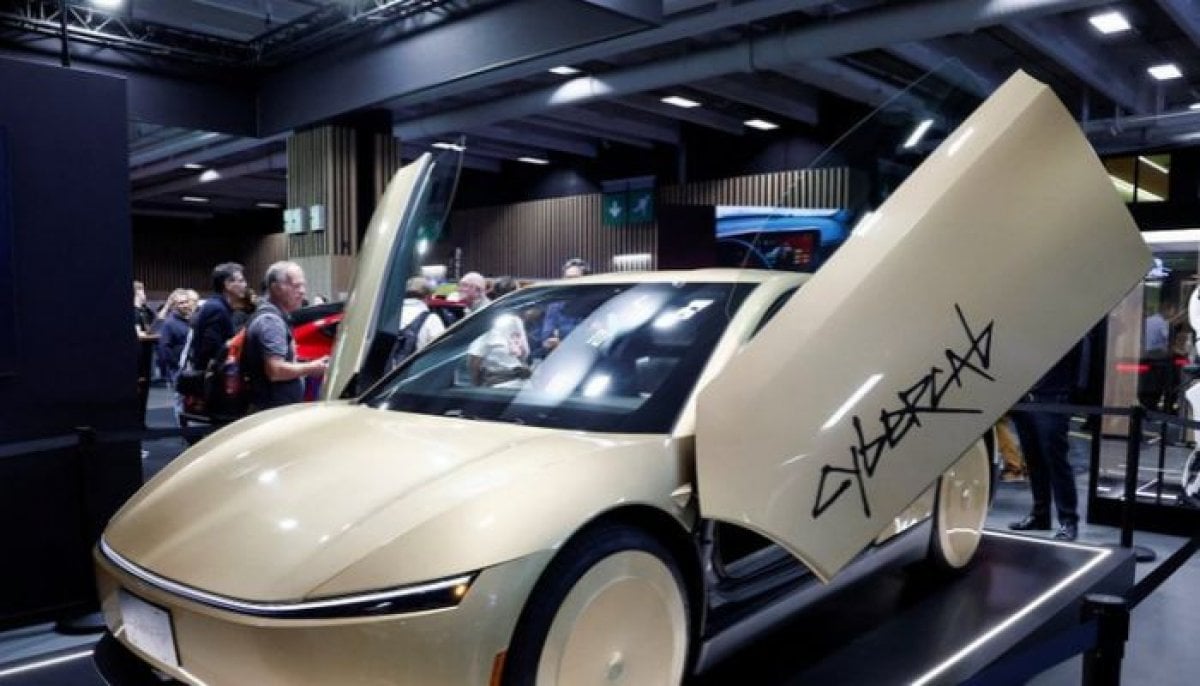
Tesla’s Cybercab faced significant challenges during its first month of operations in Austin, fueling concerns over the vehicle’s early performance and rollout.
The unusual driverless vehicle with no steering wheel, pedals or outside door handles has received polarized feedback from paying passengers who shared videos and posts online after the launch on September 3.
On Friday, Tesla announced a positive third-quarter delivery surprise lifting the stock almost 5% but the company still had 2% annual contractions in shipments.
In addition to technical difficulties, the company is navigating compliance challenges that may delay its scaling efforts. The National Highway Traffic Safety Administration initiated a compliance review after the Cybercab launch to ensure the vehicles adhere to mandatory safety codes.
Notably, no major safety breaches or impacts have been reported in Austin involving a Cybercab since the commercial debt. However, first responders have raised apprehensions about managing the Cybercab’s lack of manual driving controls and its unique doors.
In this connection, Austin Fire Captain Matt McElearney told CNBC in an interview that while Tesla claims to provide precise, necessary instructions and constraints and gave first responders comprehensive guidance on how to deal with Cybercab and Model Y Robotaxi vehicles in a variety of events.
Furthermore, analysts at Cantor highlighted the potential of the opportunity stating, “Management previously said that once production ramps, it expects Cybercab to ultimately be the largest volume vehicle in its lineup.”


-
 China issues new guidelines for government agencies to mitigate AI job displacement
 -
 US tech stocks tumble as AI spending jitters spark market sell-off
 -
 Anthropic partners with Hg to launch European AI consultancy
 -
 OpenAI partners with Google Cloud to sell flagship AI models to enterprises
 -
 Tesla drops as spending cuts raise questions about AI and robotics plans
 -
 Barclays to cut 5,000 jobs as AI reshapes banking
 -
 China's brain-computer interface market could reach $920m by 2028
 -
 Bombardier shares rise as Trump drops threat to block aircraft sales in US