Samsung, SK Hynix test Chinese chip tools to counter US sanction risks
Samsung and SK Hynix test Chinese chipmaking tools as they seek alternatives amid growing U.S. export restrictions and supply chain risks
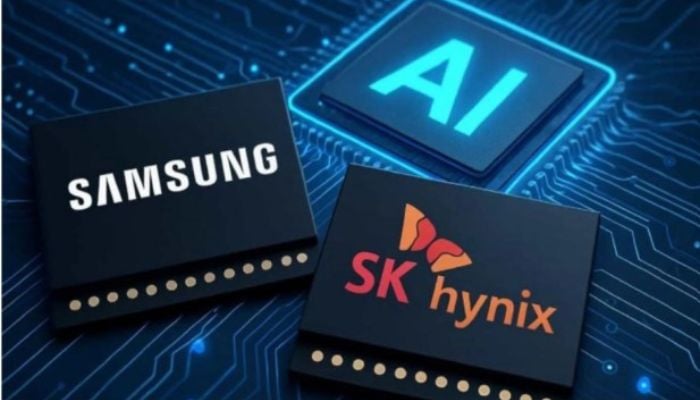
South Korea's major memory chipmakers, Samsung Electronics and SK Hynix, have quietly evaluated semiconductor manufacturing equipment from Chinese suppliers inside their factories in China.
The tech companies are inspecting chipmaking equipment from Shanghai-based Advanced Micro-Fabrication Equipment (AMEC) as the South Korean firms hedge against the risk of tighter U.S. export controls.
As reported by Reuters, the memory chipmakers began testing AMEC etching equipment about two years ago, when uncertainty was mounting over whether Washington would continue allowing them to import U.S. chipmaking tools into China.
Although the U.S. transitioned foreign-owned fabrication plants in China onto annual licensing frameworks for importing new equipment-Samsung and SK Hynix remain worried that future regulatory tightening could cut off access to servicing, maintenance, and replacement parts for Western machinery already installed in their plants.
The U.S. Commerce Department designated Samsung and SK Hynix's Chinese factories as "validated end users" (VEU) in 2023, allowing imports of certain controlled U.S. equipment without obtaining individual licenses.
Washington revoked the VEU authorization in 2025 and later granted an annual license to the chipmakers to bring in chip manufacturing equipment to their facilities in China for 2026.
Even so, both companies remain wary that future restrictions could extend beyond new equipment to the servicing, repair or replacement of Western tools already installed at their Chinese plants, the sources said.
As a result, the chipmakers are keeping Chinese suppliers in reserve as a potential way to maintain and upgrade existing production lines, rather than expand manufacturing capacity in China, the sources added.
While Chinese equipment makers continue to trail overseas rivals in advanced lithography and some inspection systems, they have narrowed the gap in areas such as etching, deposition, cleaning and planarization, often at significantly lower cost.


-
 Trump’s ‘AI force’ and ‘AI Czar’ roles explained
 -
 TikTok privacy settlement faces major setback as US judge raises concerns
 -
 Meta faces lawsuit over Ray-Ban glasses and privacy concerns
 -
 WhatsApp tests new feature that turns speech into text
 -
 How close is AI to recursive self-improvement? Leading tech labs weigh in
 -
 Is AI race with China makes safety second priority?
 -
 Spotify’s new fix stops your kids from wrecking your recommendations
 -
 Meta’s Muse AI took over real life tasks, here’s where it failed