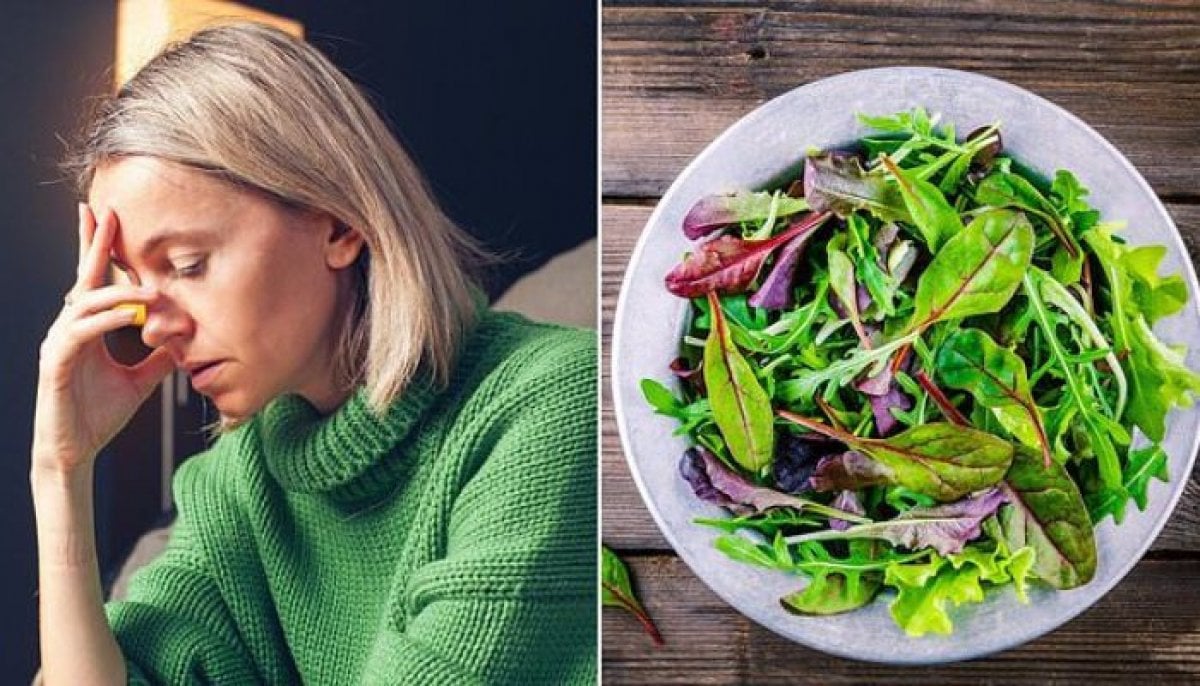
The hidden downside of eating too much protein
US dietary guidelines recommend a daily protein intake of 1.2 to 1.6 grams per kilogram of body weight
_updates.jpg)
A recent research study in a recent breakthrough has found the hidden downside of eating too much protein.
The review published in Cell Press Blue discovered that reducing protein intake instead of increasing it may slow aging and potentially extend lifespan. While high-protein diets combined with strength training can help counter age-related loss.
But if one consumes excess protein without exercise marked by a sedentary lifestyle can accelerate aging, reduce longevity and lead to negative health outcomes.
The study led by Professor Dudley Lamming and Dr Wilbert Vermeij shows that if sedentary people use high-protein diets, they can experience insulin resistance, higher fat accumulation, increased DNA damage from unstable chemicals generated during protein digestion.
Such people are also found at the higher risk of developing cancers, heart diseases, diabetes and a potentially short lifespan.
Dudley Lamming, the review's corresponding author at the University of Wisconsin-Madison, said in a statement, “Because most people are relatively sedentary, many people are likely consuming more protein than they actually need, which probably has negative health consequences.”
Contrary to popular weight-loss advice, lab studies show that when people take low protein intake, the reduction produces a fibroblast growth factor 21. The hormone can reprogram metabolism to burn body fat and calories more efficiently. Excess protein can contribute to weight gain if unutilized.
“If you’re eating extra protein, your body’s got to do something with it,” says Lamming. “If you’re exercising, it can build more healthy muscles. But if not, it could have damaging effects.”
According to researchers, the type of protein also matters. For instance if one overconsuming leucine, valine and isoleucine, abundant in red meat, chicken, soy and tofu, it activates growth pathways that suppress cellular repairs and increase inflammation.
Here are some recommendations to keep a balance in intake. One must aim for closer to 15g of protein per meal rather than pushing for 30g plus if you are inactive.
Shift the 2:1 animal-to-plant protein ratio closer to a 1:1 ratio past age 50 by consuming beans, lentils, chickpeas, nuts, seeds, and oats.
Prioritize hydration by drinking at least 9 cups of water daily.






-
 Study reveals why some babies are born with heart defects
 -
 Third measles-associated death reported as Pennsylvania outbreak reaches 676 cases
 -
 Cyclosporiasis outbreak: US officially ends largest outbreak linked to contaminated lettuce
 -
 Hot beverages increase risk of cancer? New research provides in-dept details
 -
 Highest-level recall issued for potato chips over banned ingredient posing death risk
 -
 Very hot tea and coffee could triple cancer risk, Oxford study warns
 -
 Global study reveals nearly 1.7 million deaths linked to second-hand smoke exposure in 2023
 -
 AI-designed drug also slowed biological aging, study finds