Publix shuts select supermarkets despite continued sales growth
Publix, which operates more than 1,440 stores across eight states, reported a 2 percent increase in net sales
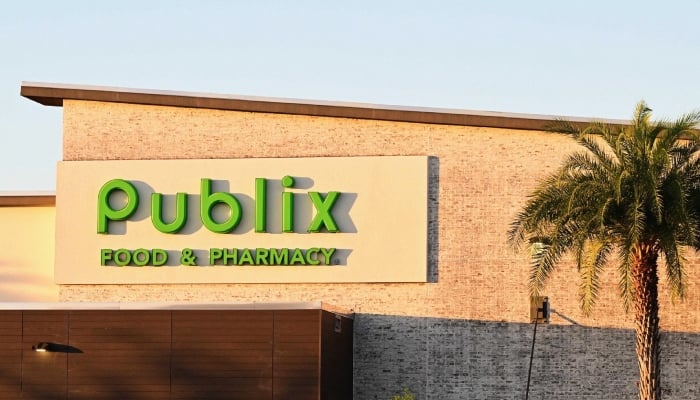
Publix has continued closing selected supermarkets across the southeastern United States as part of its strategy to modernise its store network, despite reporting continued sales growth.
The grocery chain, which operates more than 1,440 stores across eight states, reported a 2 percent increase in net sales during its first quarter.
Although net earnings fell 21.5 percent, the company said the decline was largely due to investment losses rather than weakness in its core business.
According to reports, Publix has closed stores in St Petersburg and Miami in Florida, as well as Atlanta and Chamblee in Georgia during 2026.
Two additional locations in Palm Bay, Florida, and Goose Creek, South Carolina, have also closed as part of redevelopment projects that will be replaced with newly built Publix supermarkets.
The company has previously told investors that it “regularly replaces supermarkets and closes supermarkets that are not meeting performance expectations.”
Industry analysts say the closures reflect a broader strategy of replacing older stores with larger, modern locations that offer improved layouts, expanded services and stronger online grocery fulfilment capabilities.
Publix has continued investing in markets with stronger long-term growth potential as retailers respond to rising operating costs, increased competition and changing shopping habits.


-
 Google and Unity partner on new AI game creation platform
 -
 Sources reveal truth behind French brand Lacoste CEO getting fired ahead of Paris runway show
 -
 Canadian rents hit three-year September low after 24 months of declines
 -
 Google under fire in £1 billion UK case over app store charges
 -
 Anthropic CEO Dario Amodei pulled in $18 Million last Year, IPO filing shows
 -
 X faces pressure to reject Turkey’s broad requests to block accounts
 -
 Euro plunges to 17-month low as France debt and Spain election fuel uncertainty
 -
 OPEC+ agrees to keep November oil targets steady amid market uncertainty