No social media for under-16s: Malaysia rolls out new age restrictions
The new rules aim to strengthen online safety for children and enhance protections against cyberbullying and harmful digital content
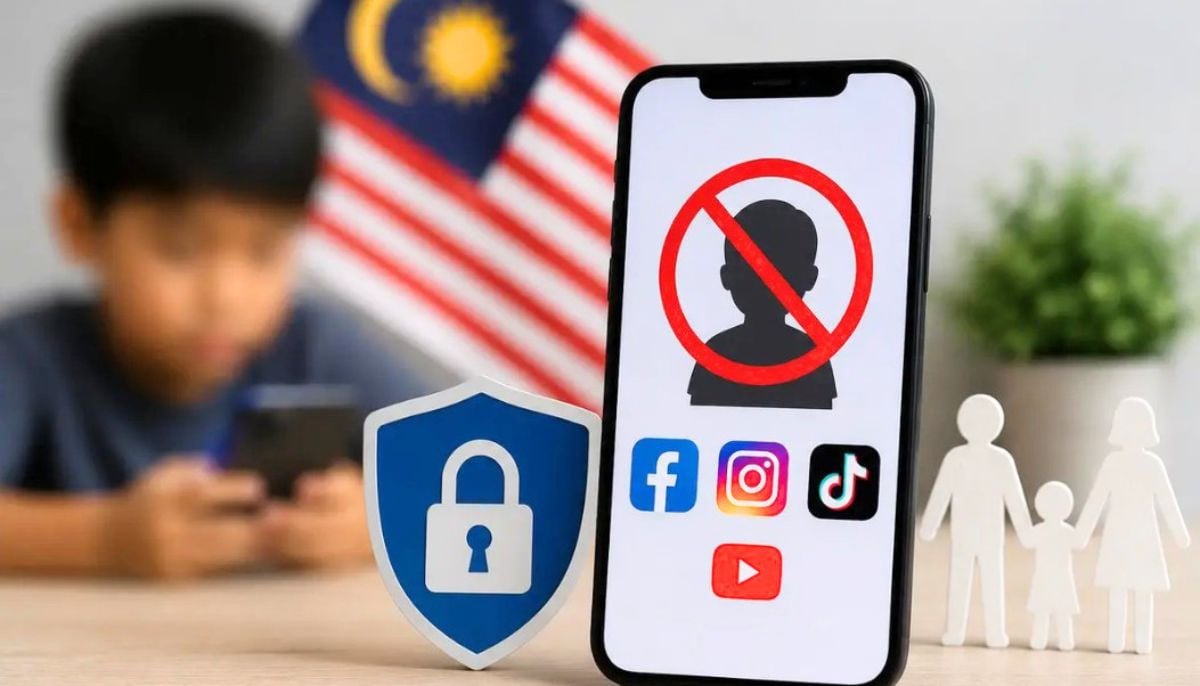
Malaysia has officially taken initiatives to bar social media for under-16s by rolling out new age checks following other countries.
Malaysian communication regulators said that the country has begun barring under-16 teenagers from registering accounts on social media platforms as it boosts efforts to protect minors from exposure to harmful content online.
The Southeast Asian nation joins a growing number of countries introducing measures to regulate access to online platforms, amid mounting concerns over the impact of social media on children's health and safety.
The Malaysian Communications and Multimedia Commission said that social media platforms, including Meta Platforms' Facebook and Instagram, TikTok and Alphabet's YouTube, must conduct age verification against government-issued records from Monday, June 1.
Age verification for existing users will be implemented by social media platforms. forms over a six-month period.
Malaysia's new age restrictions for under-16s:
*Anyone creating an account must upload or scan a government-issued ID, such as a MyKad (Malaysian National ID) or a passport, or utilize the MyDigital ID framework.
*Users flagged as under 16 will be given a one-month window to download, migrate, or back up their photos, videos, and personal data before their accounts face suspension or deletion.
*However, for existing users, social media platforms are required to retroactively audit and verify their current user base over a 6-month progressive rollout.
Tech giants criticize new rules:
Malaysia has stepped up scrutiny of social media companies after finding a sharp rise in harmful online content in recent years and is cracking down on material that deliberately tries to stir racial or religious tensions or criticizes the monarchy.
While many parent groups have openly celebrated the move as a necessary intervention against cyberbullying, grooming, and algorithmic addiction, the policy has drawn considerable heat from digital rights groups and tech corporations.
Tech companies like Meta have cautioned that hard blanket bans often backfire. Instead of keeping kids safe, strict age gates can accidentally incentivize teenagers to migrate away from moderated, mainstream apps and plunge into highly unregulated, hidden corners of the dark web.
Fines up to 10 million ringgit ($2.5 million) may be levied against social media platforms who fail to comply.
"The measure is not intended to prohibit child users from the internet or to deny them access to technology," the regulator said; "rather, it aims to boost responsibility among social media platforms, parents, and guardians in protecting minors online."



-
 Apple speeds up software updates amid AI-driven cybersecurity threats
 -
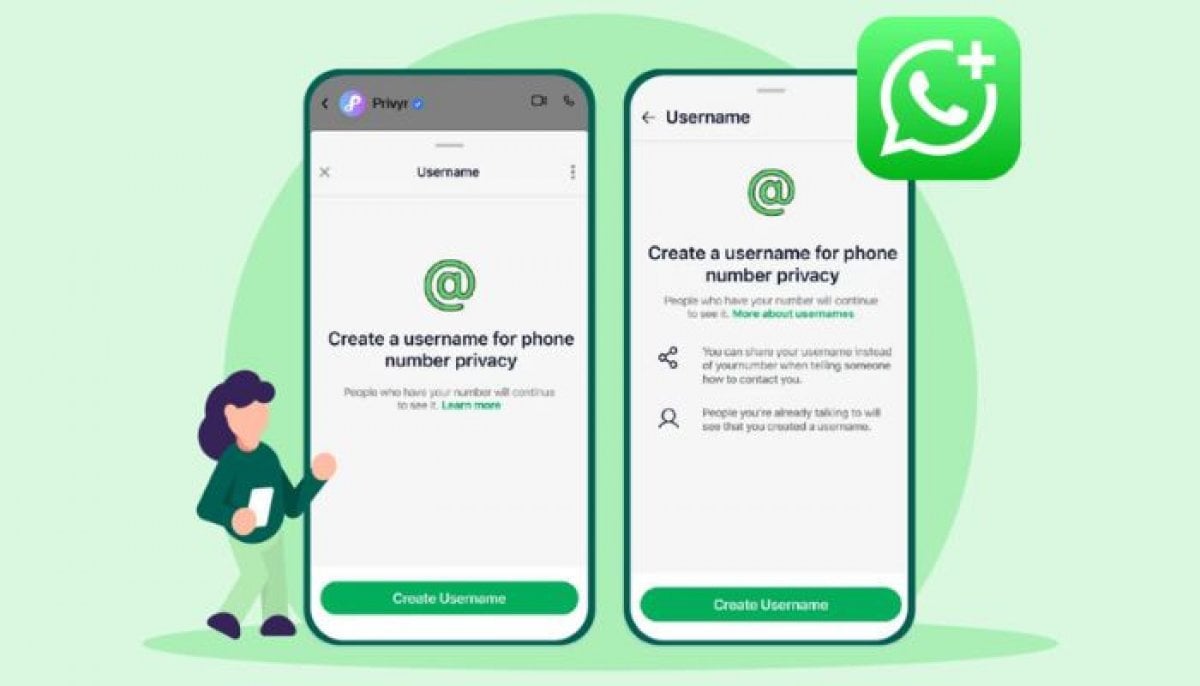 WhatsApp will now let you chat without sharing your phone number
 -
 Trillionaire Elon Musk celebrates birthday with rocket-themed cake
 -
 Breaking: Is Minecraft down? Several users report outages
 -
 Europe's heatwave puts AI data centres under pressure
 -
 US plans to build world's first fault-tolerant quantum computer: Check details
 -
 Base iPhone 18 likely to feature 9GB RAM, leak suggests
 -
 South Korea plans massive $576bn AI-chip bet to challenge global rivals