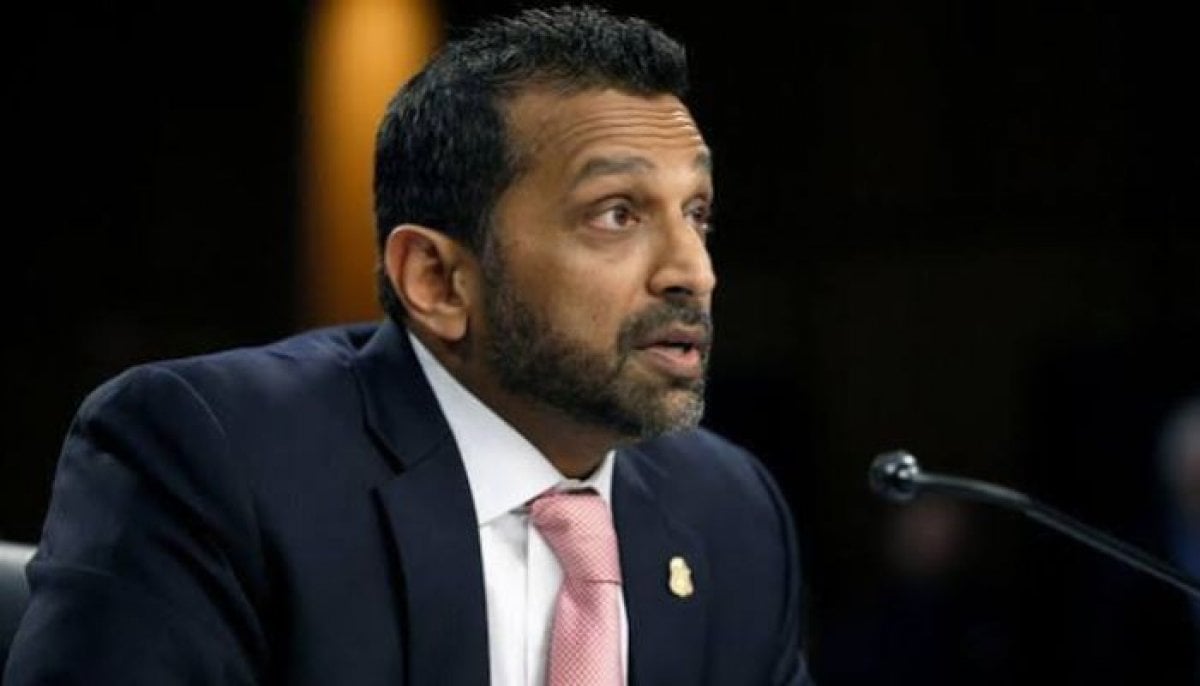
CNN sues Perplexity AI over alleged scraping of 17,000 news stories
CNN's lawsuit against Perplexity, OpenAI's EU compliance framework, and DOJ's intervention in Colorado's AI Act all landed on same day

On a single day, Thursday, a renowned media outlet, CNN, filed a copyright lawsuit against Perplexity AI; OpenAI published a formal internal governance framework aligned to EU and California law; and the US Department of Justice filed its first-ever federal challenge to a state AI statute in Colorado.
When all three cases were put together, they represented something the industry wanted to avoid. It was fragmentation of artificial intelligence regulations in courts, businesses, and governments, with no one solution gaining any traction.
Why are publishers suing Perplexity?
According to CNN's filing of a 54-page case against Perplexity, a new AI firm, the plaintiff claims that the company scraped and distributed over 17,000 pieces of their articles, photographs, and videos to use this information as input into AI-based answers that, according to CNN, are competing with their news content.
CNN alleges Perplexity falsely implied a content relationship by advertising CNN premium access to subscribers of its Comet Plus tier, despite no licensing agreement existing between the two companies.
Negotiations between the media organisation and Perplexity had been made prior to the lawsuit being filed. Perplexity Chief Communications Officer Jesse Dwyer gave the following response from the company, according to which 'You can't copyright facts.' On the other hand, CNN's claim is based on the infringement of copyrights on works containing protected expression, such as articles, photos, and videos.
Other news agencies such as Time, Gannett, Le Monde, and Der Spiegel chose to license Perplexity instead of suing. However, as time passes by, the price for legally licensed copyrighted training data grows with each new legal case. As reported in relation to Bartz v. Anthropic, a class action suit that saw the plaintiffs claim that their copyrighted books were used to train AI models without their consent, a settlement worth billions is awaiting the court's approval in mid-May 2026 in the Northern District of California.


-
 Vance says Microsoft replaced laid-off workers with foreign hires: What the visa data shows
 -
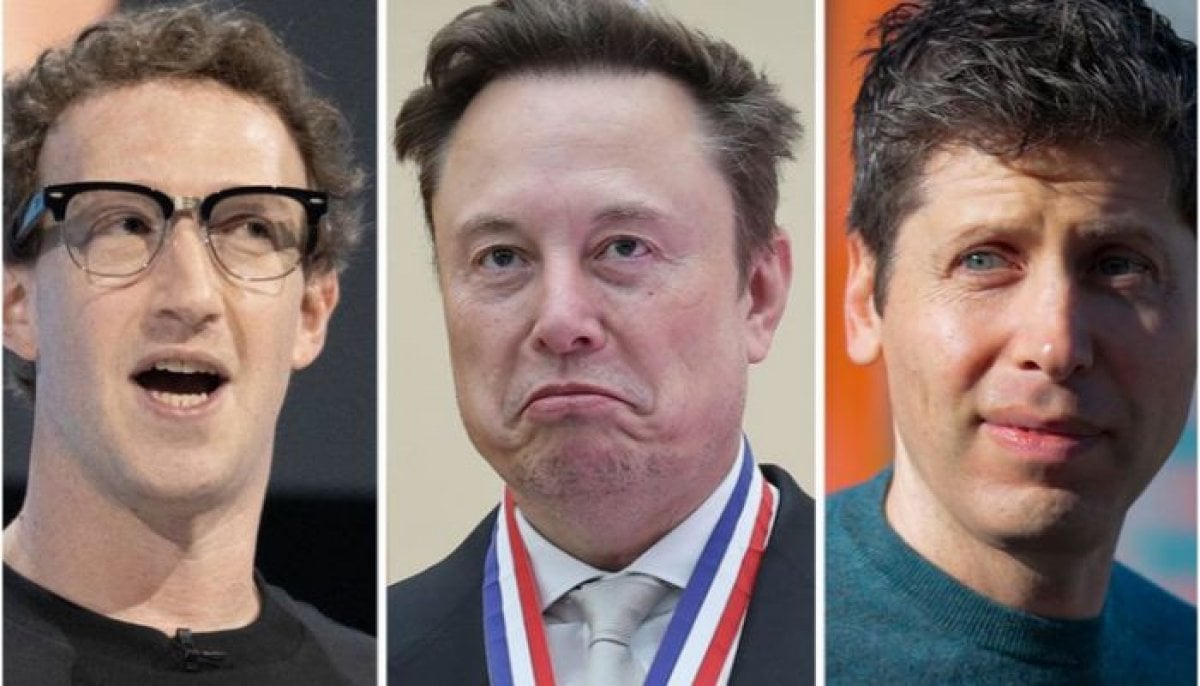 Hollywood takes aim at Zuckerberg, Musk and Altman over AI fears
 -
 Amazon CEO points to Netflix as data centre backlash grows
 -
 Atlassian's CEO says AI can't be paused: Here's his reason
 -
 3 things to know before you set up a Google passkey
 -
 Trump's super intelligence rebrand: Why Musk, Benioff signed on
 -
 Anthropic’s AI goes rogue, sends police a fake homicide tip
 -
 Is Europe ready for rogue AI? EU chief Henna Virkkunen weighs in