John Roberts defends unpopular rulings: Justices are ‘not simply political actors’
Robert argued that while the Supreme Court must often make unpopular decisions, the public lacks clear understanding of the judiciary’s role
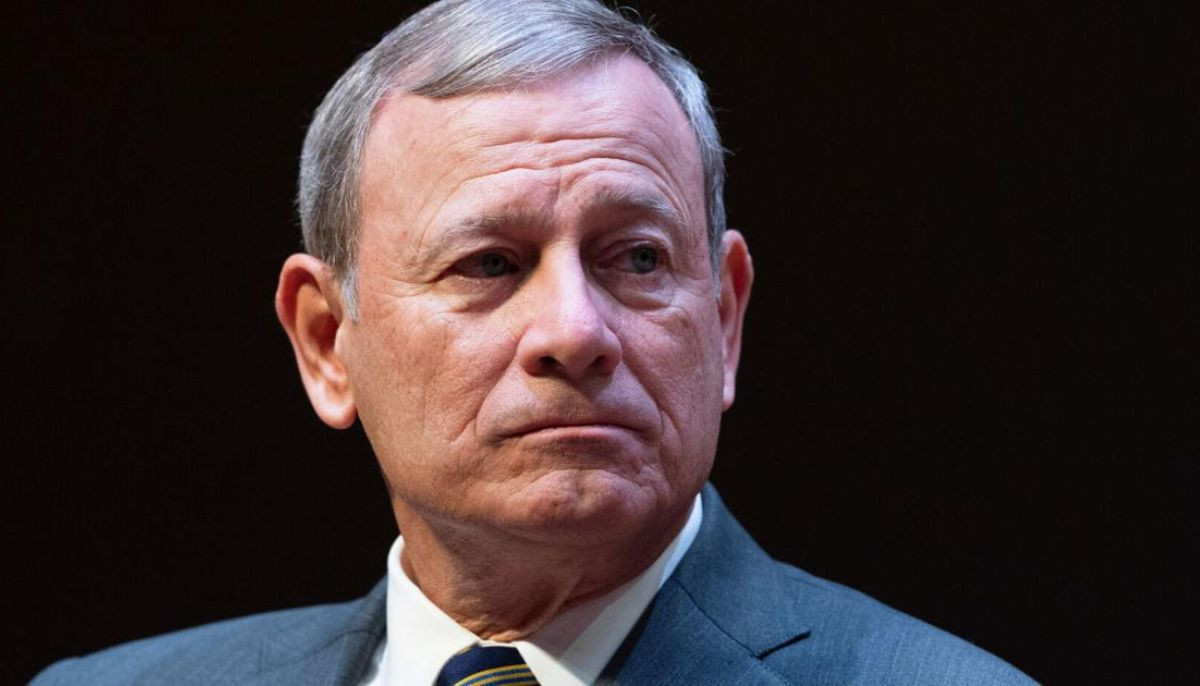
Chief Justice John Roberts addressed public perception of the Supreme Court during a recent conference in Hershey, Pennsylvania. Roberts pushed back against the idea that the Justices are “political actors” making policy-based decisions.
He maintained that the court’s rulings are based strictly on legal interpretation of the Constitution. He emphasized that the Court’s duty often involves making decisions that are unpopular with the general public, noting that their mandate is to follow the law rather than public opinion.
“I think at a very basic level, people think we’re making policy decisions, [that] we’re saying we think this is what things should be as opposed to this is what the law provides,” Roberts said. “I think they view us as truly political actors, which I don’t think is an accurate understanding of what we do. I would say that’s the main difficulty.”
In line with his concerns, Roberts lamented a lack of public understanding regarding how the judicial process works, suggesting that many misconceptions stem from a failure to distinguish between legal reasoning and political ideology.
“We’re not simply part of the political process, and there’s a reason for that, and I’m not sure people grasp that as much as is appropriate,” Roberts said.
These comments come after the 6-3 conservative majority issued significant rulings on abortion, gun rights, and the Voting Rights Acts of 1965, many of which have sparked intense criticism from the left.
In the wake of rising security threats against the judiciary, Roberts urged critics to focus their disagreements on the substance of the rulings rather than attacking the individual judges.
While defending the institution, Roberts conceded that the public has a fundamental right to criticize the court’s decisions, though he cautioned against viewing every legal outcome through a partisan lens.


-
 Biden calls out Trump’s ‘vanity projects’ at Maryland Democratic Gala—Here’s why
 -
 Pima County Sheriff responds to new claims in Nancy Guthrie case
 -
 Mayor Mamdani jumps into NYC pool to revive old tradition
 -
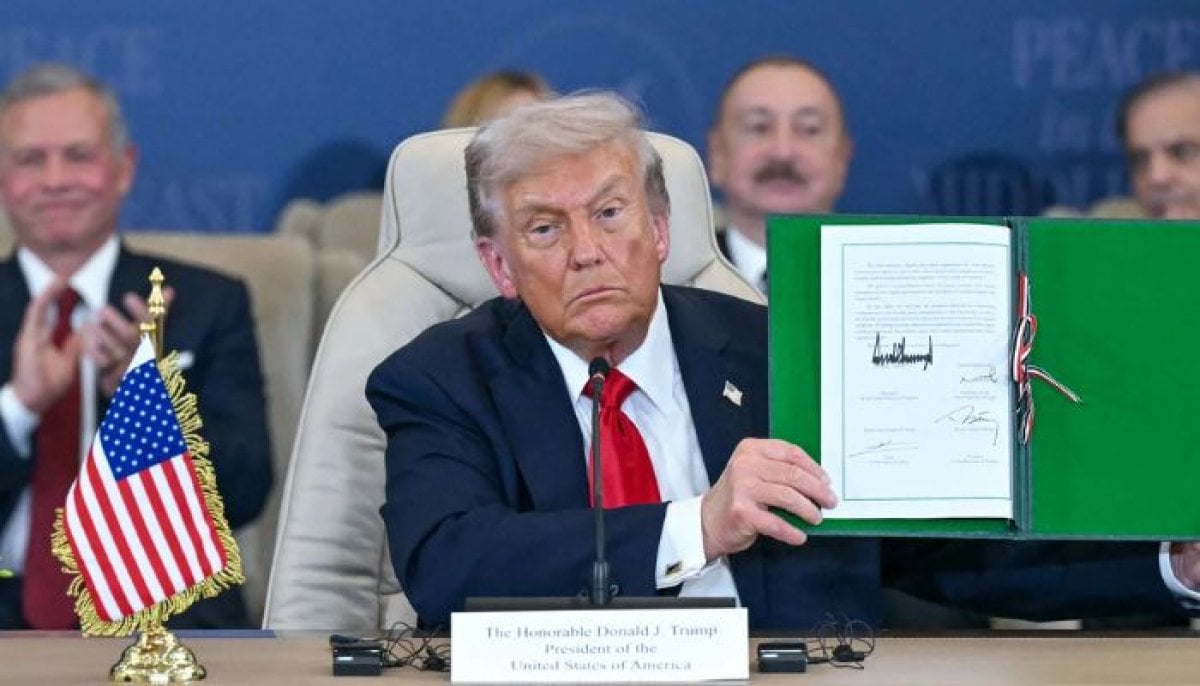 Trump’s Gaza Board of Peace seeks to grant itself total immunity and free use of property: Here’s why
-
 Ex-Pentagon official makes chilling claim: UFOs provoke US military
 -
 Inmates stage daring takeover of Bertie-Martin Regional Jail
 -
 Paris mortuaries at capacity as heatwave death toll climbs
 -
 US Supreme Court allows Lisa Cook to remain at Fed
 -
 Car crashes into North Circular Bus stop, two injured
 -
 Germany Shooting: 5 adults killed at Stade Youth Centre, suspects detained
 -
 'Iran has requested a meeting': Trump announces surprise Doha talks
 -
 Dangerous heat wave sweeps US before July 4: Which states will be hottest?
-
 Andy Burnham rules out Cabinet appointments until leadership race concludes
 -
Will missing flight MH370 ever be found? Malaysia extends search until 2027
-
Spanish PM Pedro Sanchez faces pressure as wife Begona Gomez ordered to stand trial
-
Father, son pulled alive from rubble four days after Venezuela quakes