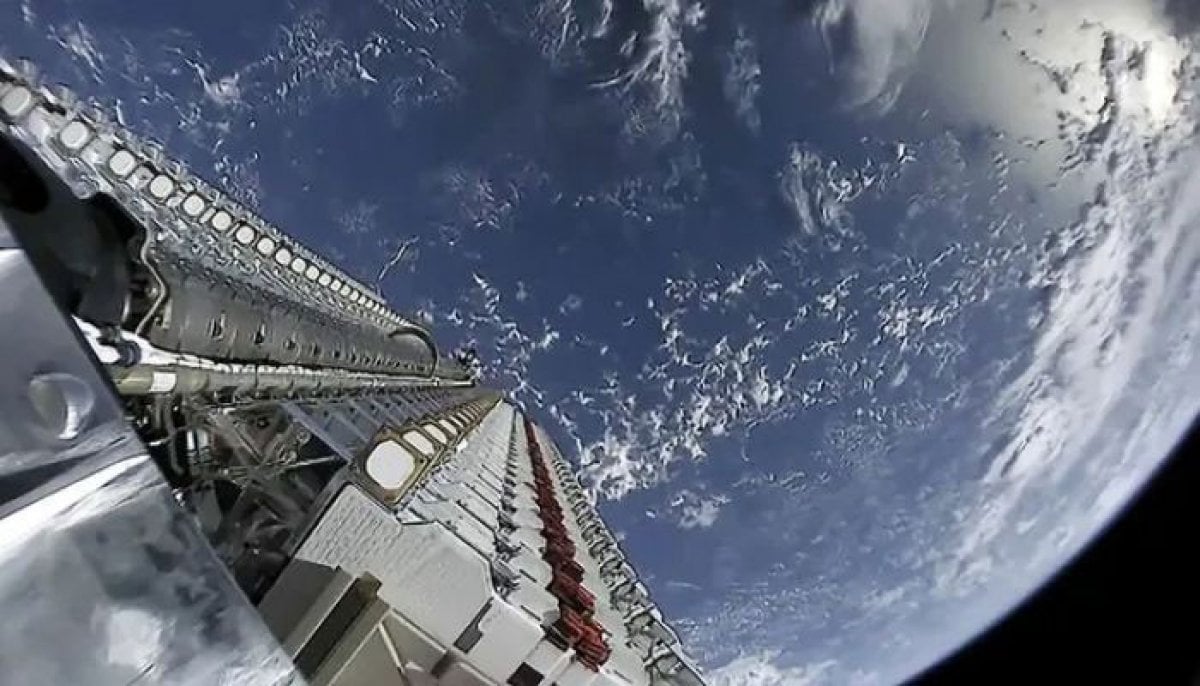
Foxconn deploys second-generation satellites via SpaceX Falcon 9
Operating within 2,000 km of Earth, LEO satellites enable low-latency communication and high-resolution imaging from near-Earth orbit
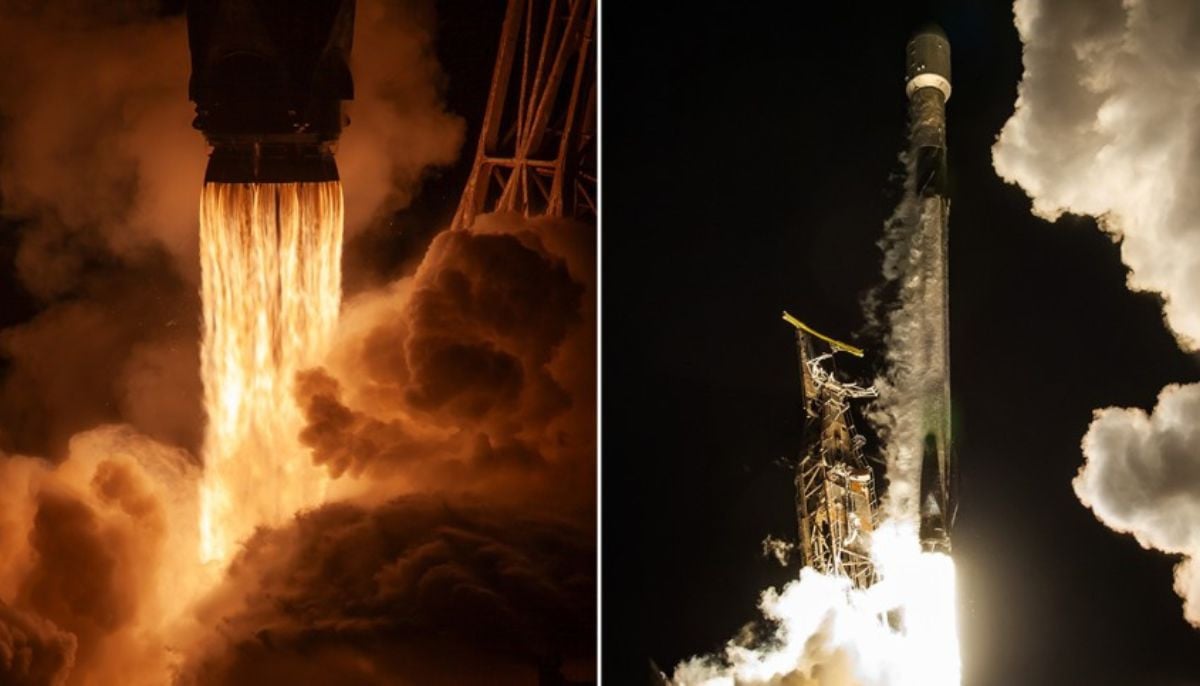
Foxconn has recently announced on Sunday its second-generation low-Earth orbit LEO satellites were launched via a SpaceX Falcon 9 rocket from California, marking the electronics manufacturer’s latest push into space technology.
The Taiwanese company’s PEARL-1A and PEARL-1B satellites entered their intended orbits and will conduct on-orbit missions for five years, it said.
Foxconn has stated that these two satellites have been designed to verify payload technologies in the field of communication and space science.
These satellites operate while maintaining their presence in low Earth orbit, which refers to Earth’s central altitude of 2,000 km (approximately 1,200 miles) or less.
Low Earth Orbit (LEO) satellites operate at altitudes of up to 2,000 km above Earth. They enable fast, low-latency communication and high-resolution Earth observation by functioning in a zone just above the Earth’s atmosphere, where they can maintain strong and stable connections.
These satellites often work in interconnected constellations comprising hundreds or even thousands of units to provide global coverage and such networks allow satellites to coordinate with one another; for example, if one satellite goes offline, others can take over its functions.
They can also hand off signals between satellites, ensuring uninterrupted service.
Major telecom and aerospace companies leveraging this technology include Starlink, Eutelsat OneWeb, Amazon, and Telesat Lightspeed.
Additionally, Arianespace successfully deployed 32 satellites aboard an Ariane 6 rocket from Europe’s Spaceport in French Guiana on April 30th.
A few days back, Project Kuiper surpassed the 300 satellites mark following two launches in separate continents within a single week.
The designated missions followed an Atlas V launch earlier that week, marking a significant acceleration in the company’s constellation deployment.



-
 Apple speeds up software updates amid AI-driven cybersecurity threats
 -
 WhatsApp will now let you chat without sharing your phone number
 -
 Trillionaire Elon Musk celebrates birthday with rocket-themed cake
 -
 Breaking: Is Minecraft down? Several users report outages
 -
 Europe's heatwave puts AI data centres under pressure
 -
 US plans to build world's first fault-tolerant quantum computer: Check details
 -
 Base iPhone 18 likely to feature 9GB RAM, leak suggests
 -
 South Korea plans massive $576bn AI-chip bet to challenge global rivals