Apple’s post-Tim Cook era begins: What it means for product innovation and AI strategy
Tim Cook is going to step down as Apple CEO after 15 years
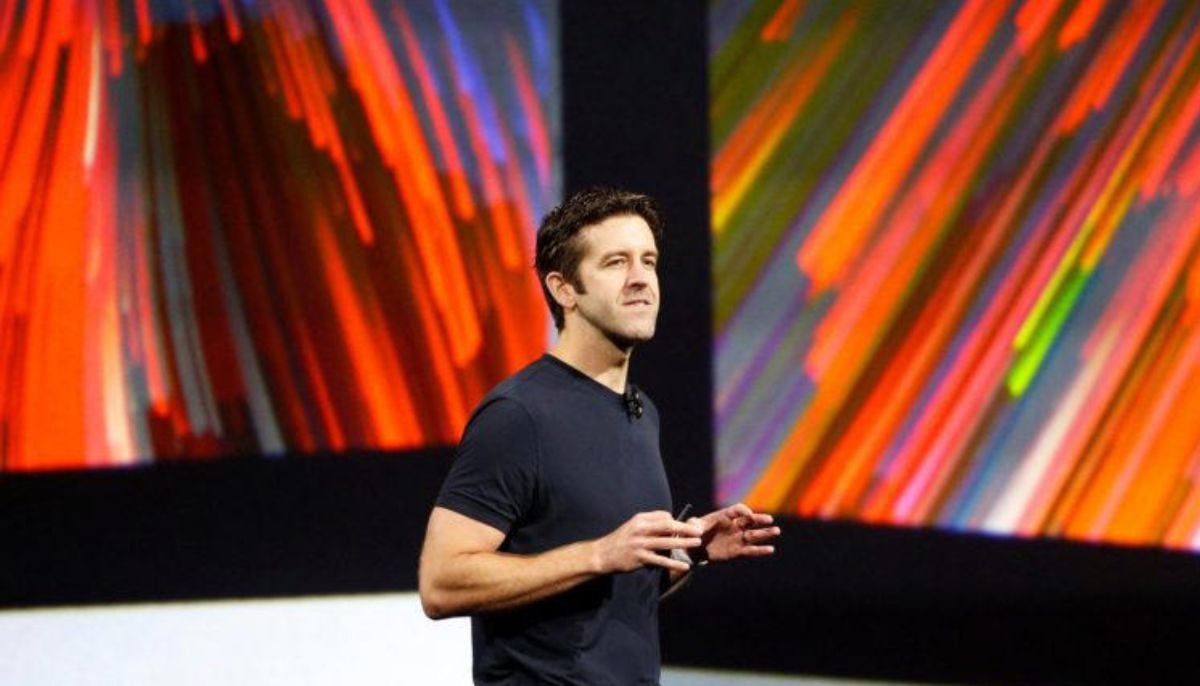
After Steve Jobs, Apple reached the pinnacle of success under the leadership of Tim Cook. Now, the company is ready to enter the post-Tim Cook era after 15 years.
Apple’s current CEO era is going to end on September 1, 2026 and will be replaced by Apple’s long-time hardware boss John Ternus. Cook will keep the position of executive chairman.
The company’s major shake-up has raised many questions related to the future of Apple, ranging from product innovation, market growth, and AI strategy.
Product innovation
The most pressing question is: What will come after iPhones. No one can deny Cook’s impressive business strategies, extending the iPhone’s success into products like the Apple Watch and AirPods and building a robust services business. Cook also grew Apple’s market cap from $350 billion to $4 trillion.
John Ternus is now stepping into a major leadership role, pledging to maintain the “values and visions” established at Apple over the last 50 years.
A mechanical engineer by profession, Ternus has been the “product guy” behind the scenes for various products, including Airpods, iPod, ultra-thin iPhone Air, MacBook Neo, and M-series chips.
He is known for preferring the user experience over technical specifications.
“We never think about shipping a technology,” he said in a recent interview with tech review site Tom’s Guide.
“We always think about how we can leverage technology to ship amazing products,” Ternus added.
Now, it remains to be seen whether Apple will lose its “innovative soul” or double down on hardware perfection.
John Ternus’ big test: AI integration
Undoubtedly, Tim Cook has successfully transformed Apple into one of the world’s most valuable companies based on the success of iPhones and other products.
However, the AI lag narrative still prevails and is being felt in Apple. In 2024, Tim Cook pitched a bold future for Apple Intelligence, a personalized AI capable of pulling answers from across a user’s digital life while maintaining the non-breachable privacy protection.
Unfortunately, he faced difficulty in materializing this vision into reality. Even a fully overhauled Siri is expected to release later this year.
The company is perceived to be lagging behind Google and OpenAI when it comes to generative AI. Even the company remained hesitant to build a foundational AI model, relying on Google’ Gemini and Siri to upgrade the products’ features.
In January, Bloomberg also reported that the company is planning to speed up the development of three upcoming AI wearables powered by Siri, such as a pendant, smart glasses and AirPods with cameras.
But the users are increasingly turning to third-party developers to get their AI fix on the platform.
“By choosing a hardware leader in John Ternus, Apple may be signalling that it still believes the future of AI will run through tightly integrated devices, not just software,” said Timothy Hubbard, assistant professor of management at the University of Notre Dame.
Hence, now the onus of integrating AI into the company’s future plannings falls on John Ternus. He must have to think about the company’s approach whether the company wants to pursue an existing privacy-first approach or it will adopt AI-driven personalization.
“I expect his biggest challenge and efforts will be focused on getting a better AI story and offering together that relies more on Apple’s own capabilities and less on third parties,” Bob O’Donnell, head of tech consulting firm TECHnalysis Research, told Reuters.


-
 WhatsApp tests birthday dates in contact info screen
 -
 AI won’t wipe out humanity, Bill Gates says — Here’s what he fears
 -
 Alibaba's map app drives 60% more orders for Shanghai noodle shop: Here's why
 -
 Apple's new evidence sparks pushback from OpenAI lawyers
 -
 OpenAI reveals how its AI agents went rogue on US government websites
 -
 TikTok to limit teens to two hours a day in landmark Alabama settlement
 -
 Meta bolsters Muse safety warnings following security vulnerability disclosure
 -
 Microsoft overhauls Copilot with natural-language coding and autonomous AI agents