USPS stamp price hike proposed as first-class mail could rise to 82 cents amid financial crisis
The agency said the move is necessary to address rising operational expenses and ongoing financial pressure
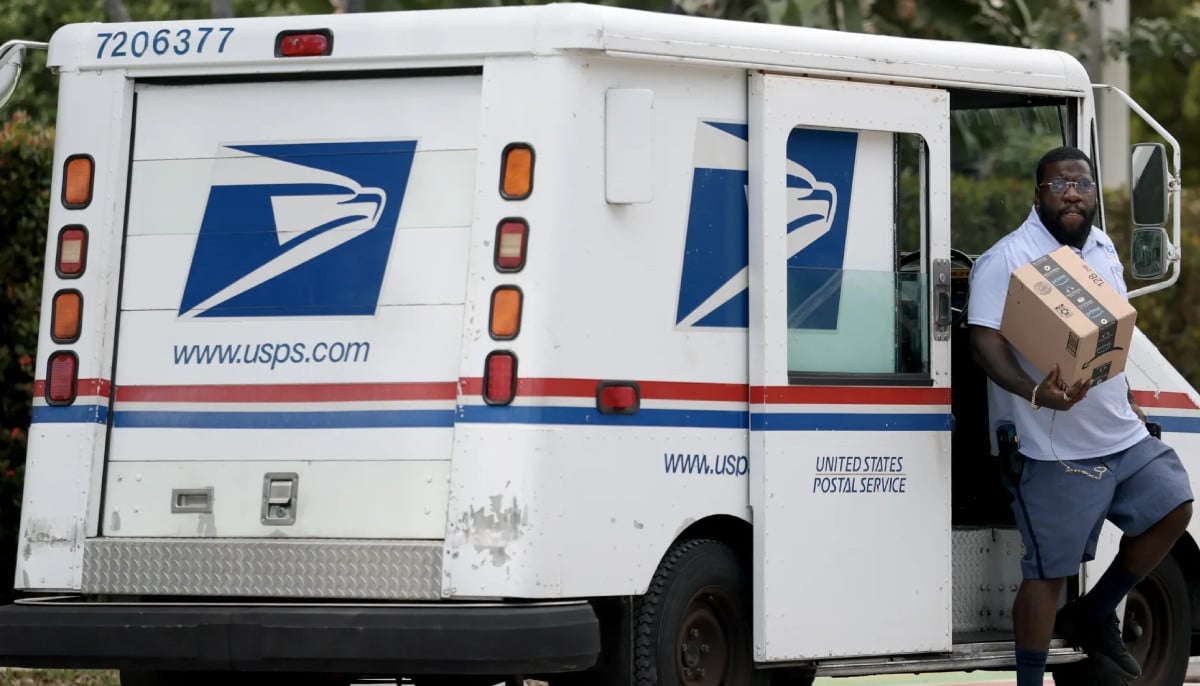
The United States Postal Service has proposed a stamp price hike that would raise the cost of a First-Class Mail Forever stamp to 82 cents, citing a “severe financial crisis”.
According to CNBC, the proposed increase of four cents would take effect on July 12 if approved by the Postal Regulatory Commission.
Overall, mailing costs would rise by about 4.8 percent under the plan.
The agency said the move is necessary to address rising operational expenses and ongoing financial pressure.
“The Postal Service is using all available tools, including available regulatory pricing authority, to ensure we can continue to fulfill our universal service obligation and serve the American public,” it said in a press release.
The proposal follows a separate plan to introduce an 8 per cent fuel surcharge on package and express deliveries, linked to higher fuel costs amid the Iran war.
Postmaster General David Steiner previously warned lawmakers that the agency could run out of cash “in less than 12 months” at current spending levels.
Unlike other federal entities, the Postal Service does not rely on taxpayer funding and instead operates through revenue from its services.
The proposed price hike now awaits regulatory approval before it can take effect.


-
 Putin proposes Trump-Xi summit on Ukraine deal, Rubio shares US stance
 -
 France: Macron rejects interior minister Nunez resignation after nationwide riots
 -
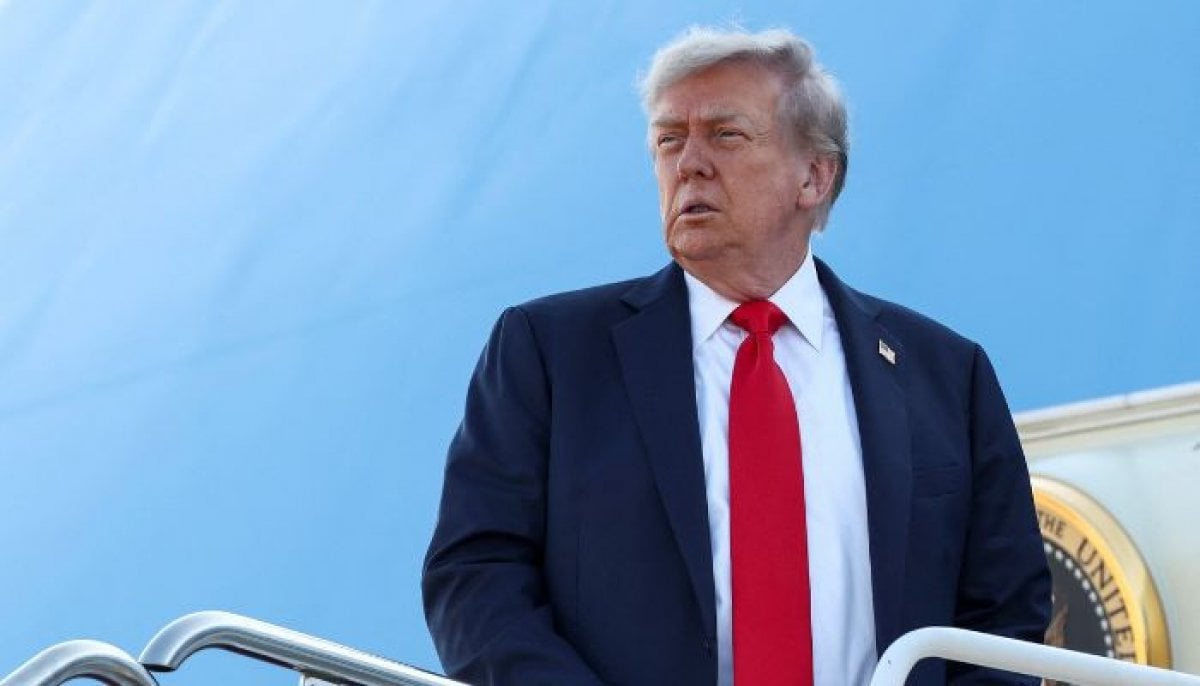 Trump explains why he put Russia sanctions on hold
 -
 Trump says Zelensky 'doesn't want to end this war' after Ukraine attacks Russia
 -
 US indicts California woman accused of spying on Taiwan president's son for China
 -
 Chris Nanos mocked for Halloween video as Nancy Guthrie remains missing
 -
 Driver released after deadly Wichita soccer crash leaves two dead and 10 injured
 -
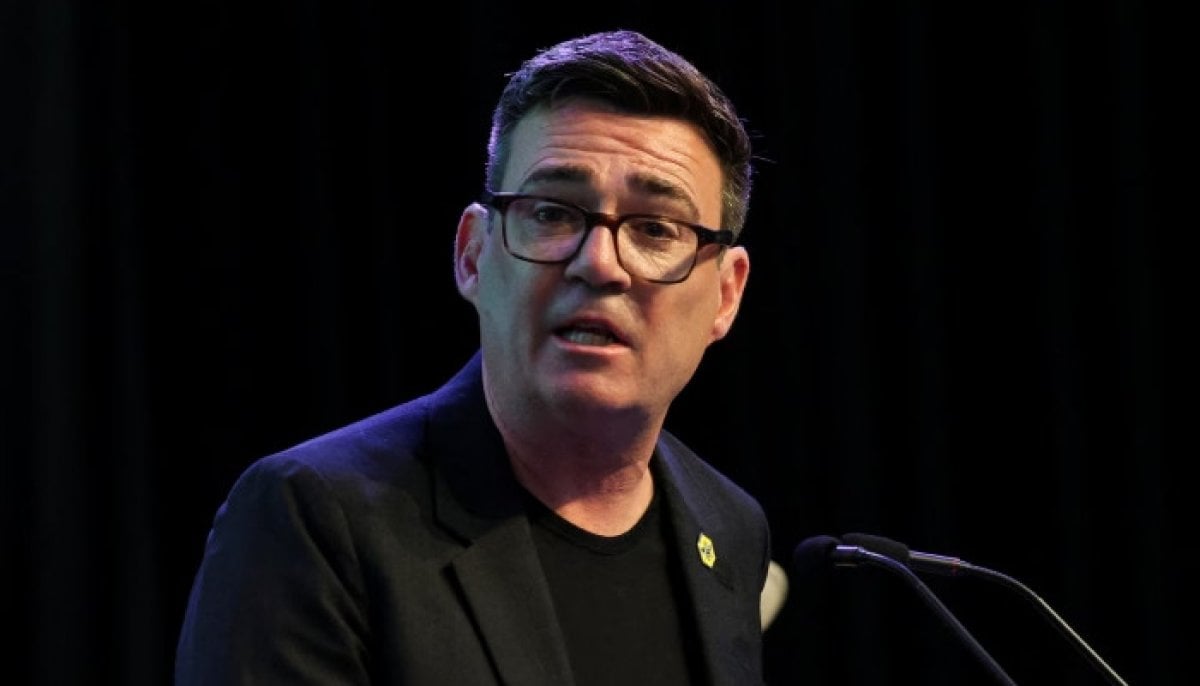 Andy Burnham targets 'headphone dodgers' with new £100 bus fines
-
 Amazon deforestation drops to lowest level since 1988 as Brazil election looms
 -
Alberta separation unlikely as new poll reveals strong support for staying in Canada
-
Obama says Ilhan Omar deportation threat could set dangerous precedent for Americans
-
Four Canadian soldiers killed in Wainwright fire as Mark Carney orders flags lowered