Olympics ban transgender, DSD athletes from women’s sports
New Olympic rules introduce mandatory sex testing to decide eligibility in women’s events
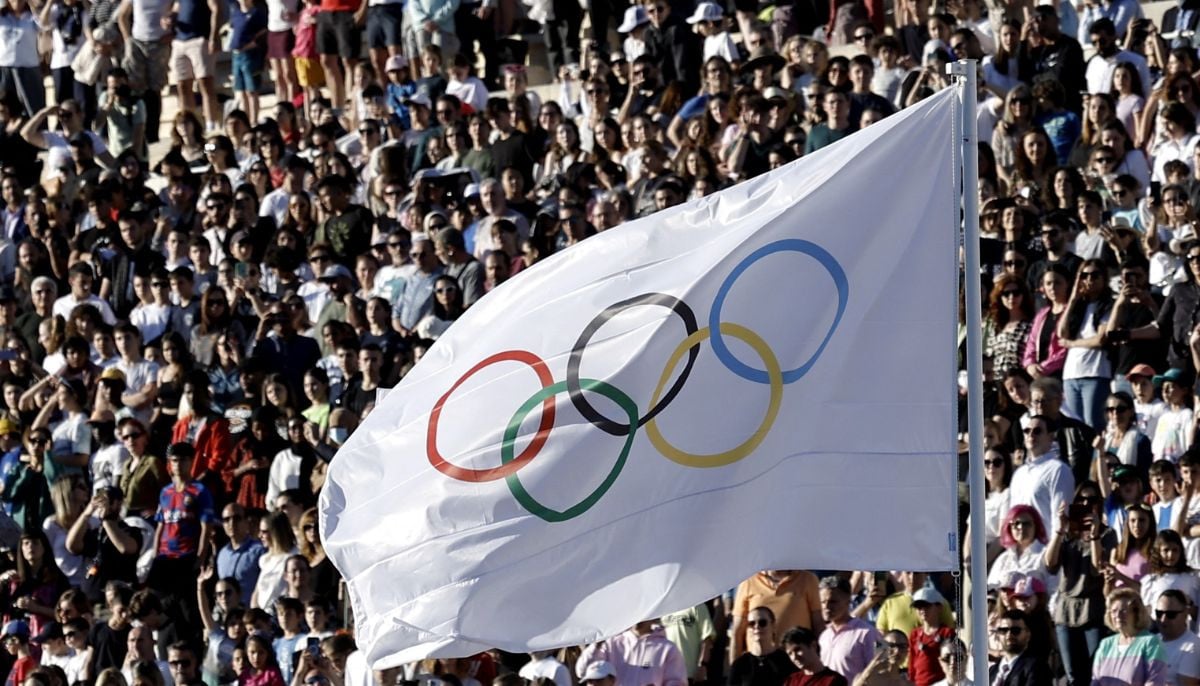
The International Olympic Committee (IOC) has decided to ban transgender athletes and athletes with differences of sex development (DSD) from participating in women's sports because of a new policy which requires sex testing to determine their eligibility. The decision, announced on Thursday, will apply across Olympic women’s categories and is designed to address concerns over fairness, safety and integrity in competition.
A press conference at 3:15pm (GMT) will confirm the implementation of the new rules.
Why are the Olympics banning transgender women?
IOC President Kirsty Coventry, who took over the position in 2025 after Thomas Bach retired, said that the ruling needed to establish sex as an objective reality rather than identity belief. The decision results from ten years of fighting between different parties about whether transgender and DSD athletes should compete in women's sports.
All international sports federations are expected to follow suit, banning both trans-identifying males and DSD athletes from female categories.
The previous Olympic competitions explain the recent announcement. Earlier, at Tokyo 2021, transgender weightlifter Laurel Hubbard represented New Zealand in women’s events, which sparked global debate. Similarly, boxers Imane Khelif and Lin Yu-ting won gold in women’s boxing yet received disqualification after they failed sex tests at the Paris 2024 Olympics.
The IOC took action after Dr Jane Thornton from Canada presented her research which demonstrated that biological males can maintain their athletic edge over females despite receiving testosterone suppression treatment. The ruling receives support from developmental biologist Dr Emma Hilton, who conducted research showing that men punch 2.6 times harder than women on average. Coventry stated that the organisation aims to maintain female athletes' integrity while stopping future controversies at the 2028 Los Angeles Olympics.
Authorities are considering universal genetic sex testing through cheek swab tests as an enforcement method. The method requires minimal time for execution because it uses non-invasive techniques to achieve permanent results. World Athletics adopted a similar measure last year. IOC officials emphasised the policy aims to create a competitive environment which protects athlete privacy.






-
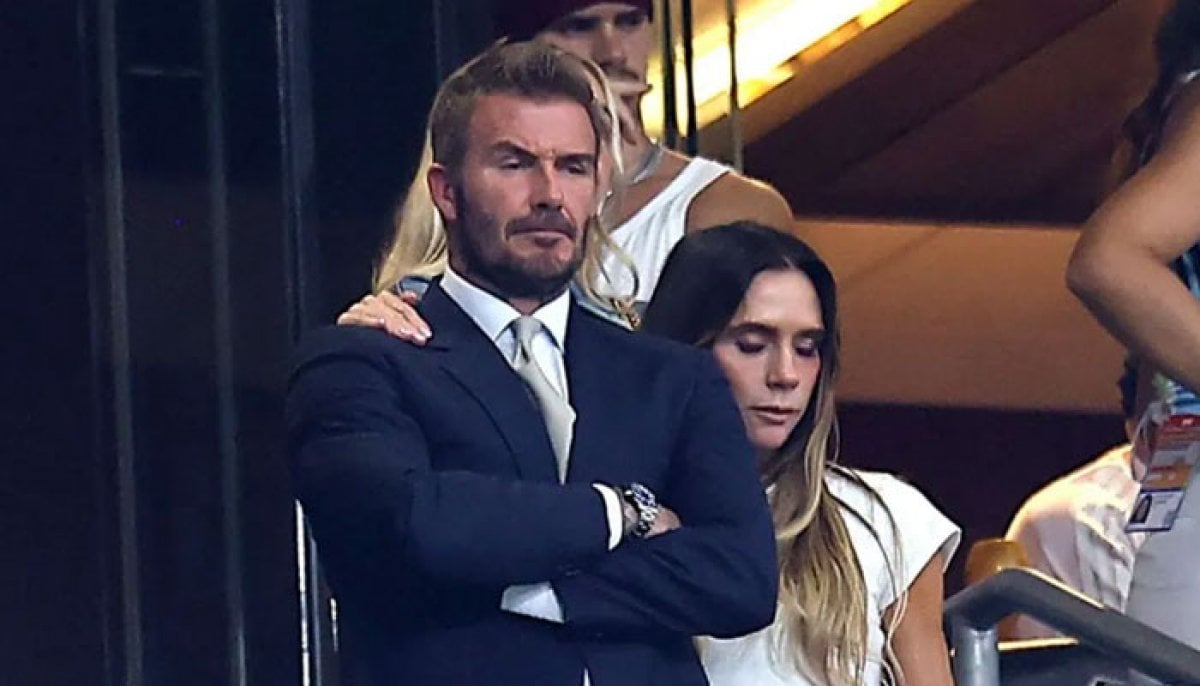 David Beckham wipes away tears after England crushing loss to Argentina
 -
 How Lionel Messi overtook Kylian Mbappe in the World Cup 2026 Golden Boot Race without scoring
 -
 Argentina shock England in dramatic comeback to reach 2026 World Cup Final
 -
 Lamine Yamal’s home targeted in burglary attempt hours after Spain reaches World Cup Final
 -
 World Cup 2026: FIFA introduces historic rule changes ahead of Tournament
 -
 Could the World Cup grow again? FIFA weighs 64-team expansion
 -
 England vs Argentina World Cup showdown hit by FIFA Falklands ban
 -
 Tom Cruise and IShowSpeed among final stars confirmed for 2026 World Cup closing ceremony