OpenAI partners with Pentagon after Trump bans Anthropic AI
Anthropic says it will challenge ‘supply chain risk’ label in court
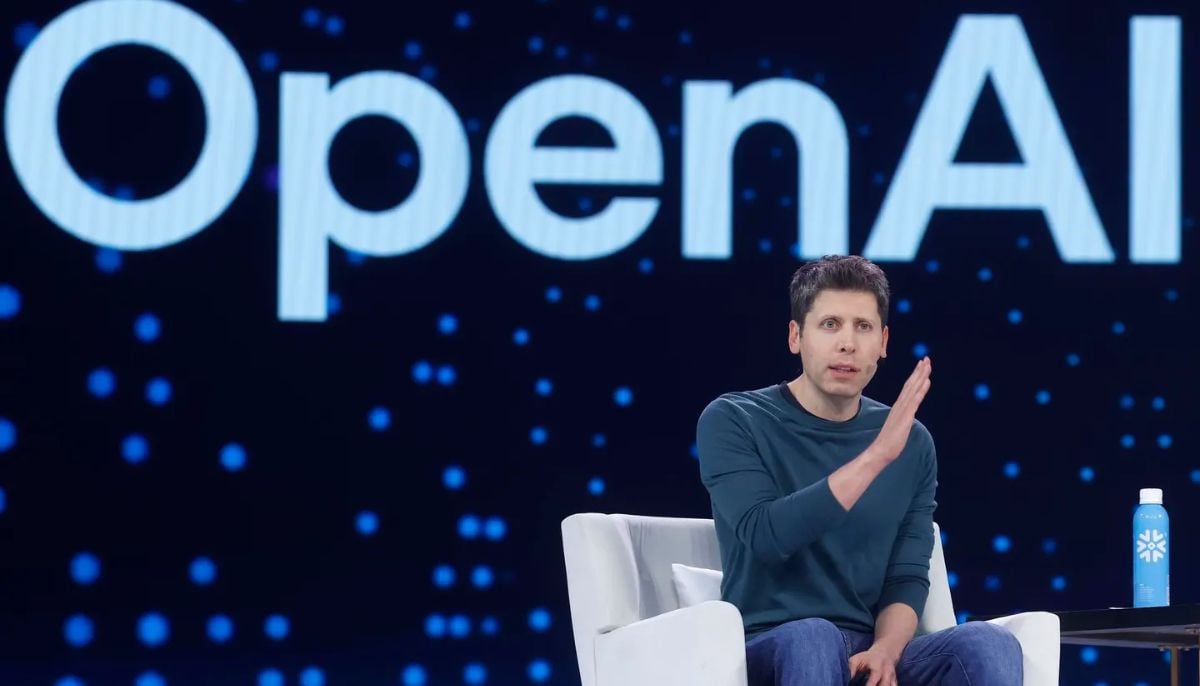
OpenAI has struck a deal with the Pentagon to deploy its artificial intelligence models on classified networks, just hours after US President Donald Trump ordered federal agencies to stop using rival Anthropic.
The agreement was announced late Friday by OpenAI CEO Sam Altman after weeks of growing debate over military use of AI.
OpenAI and Pentagon partnership
Taking to X, Altman said the company reached terms with the Department of Defence (DoD) to deploy its models within secure systems. He added that the Pentagon showed respect for safety and agreed to OpenAI’s core principles.
“Two of our most important safety principles are prohibitions on domestic mass surveillance and human responsibility for the use of force, including for autonomous weapon systems,” Altman wrote.
The OpenAI Pentagon deal comes after Defence Secretary Pete Hegseth labelled Anthropic a “supply chain risk to national security". President Trump also directed federal agencies to immediately cease using Anthropic’s technology.
Anthropic had previously worked with the DoD on classified systems. However, negotiations were terminated because of differences of opinion regarding the use of AI. While the DoD wanted permission for its lawful use, Anthropic wanted to ensure that there were no autonomous weapons or surveillance.
The company said it was "deeply saddened" by the designation, which it would fight in court.





-
 Twitch, Amazon face lawsuit over using streams to train AI
 -
 Thomson Reuters turns to Chinese AI as Claude costs rise
 -
 UK demands social media action over viral wrong-way driving trend
 -
 Xiaomi launches XRing O3 chip, partners with TSMC for production: Report
 -
 Apple's 15-year Cook era ends this week
 -
 Why silicon valley’s vision of AI future should worry you
 -
 YouTube Premium prices to rise up to 15% from September
 -
 Nvidia AI server prices rise, giving Samsung more power