Solar energy emerges world’s cheapest power source as renewables overshadow coal
New study named solar energy the most cost-effective source as the world is witnessing a shift towards renewables
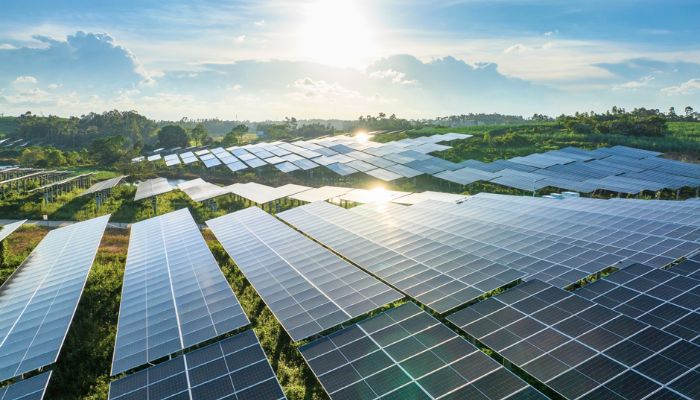
Solar energy has emerged as the world’s cheapest power source, costing as little as €0.023 to produce one unit of power in the sunniest countries, as per new study findings.
The researchers from the University of Surrey found that solar energy has outranked other renewable sources as the world is rapidly adopting clean energy options for a green future.
Even in the UK, located 50 degrees north of the equator and known for dry weather conditions, solar energy is considered the cheapest option for large-scale energy production.
According to the research study, “These hybrid setups, which combine solar panels with batteries, are now standard in many regions and allow solar energy to be stored and released when needed, turning it into a more reliable, dispatchable source of power that helps balance grid demand.”
The study came on the heels of a report issued by climate thinktank Ember, which showed that renewable energy overshadowed the usage of coal and gas for the very first time in the first six months of 2025.
As per thinktank’s findings, the world produced almost a third more solar power in the first half of the year compared with the same period in 2024.
Despite the cost-effectiveness of solar energy sources, this renewable energy option is not bereft of challenges.
According to Dr Ehsan Rezaee, co-author of the study, one of the biggest challenges comes in the form of connecting growing levels of solar power to electricity networks.
“Smart grids, artificial intelligence forecasting, and stronger links between regions will be vital to keep power systems stable as renewable energy use rises,” the expert added.
However, the innovative materials production, such as perovskite solar cells could also increase energy output by 50 percent without expanding land use.
This cutting-edge solar technology uses less energy as compared to silicon cells, leading to more generation of power by using a smaller area.
Despite its promising opportunities, the integration of this technology demands “consistent and long-term policy support” as said by Professor Ravi Silva, Director of the ATI at the University of Surrey.


-
 Britney Spears' 'completely inexcusable' DUI arrest becomes blessing in disguise?
 -
 Kristi Noem claims she was ‘blindsided by ‘crossdressing’ news: Insider talks suspicion
 -
 Cardi B reveals biggest weakness and fans didn't see that coming
 -
 Cher makes son Chaz Bono question his worth with 'cheap power move'
 -
 World’s oldest tortoise targeted in viral crypto death scam
 -
 'A Good Girl's Guide to Murder' season 2: Release date, cast, and more
 -
 Kanye West leaves fans speechless with floating Earth and mind-bending visuals
 -
 Is alien hybrid breeding program real? Matt Gaetz’s shocking claims spark debate
-
 Zendaya expresses her true feelings about Tom Holland: 'My Person'
 -
Why Howie Mandel regrets apologizing to Kelly Ripa for tense on-air exchange
-
Comment: I’m panicking that I’m obsessed with 'Harry Potter' AI videos
-
Kanye West hit with wild warnings by mystery man as video explodes on April Fool's Day