Netanyahu admits India deployed Israeli weapons in May conflict with Pakistan
Israel-supplied weapons, including Barak-8 missiles and HARPY drones, were used in four-day confrontation
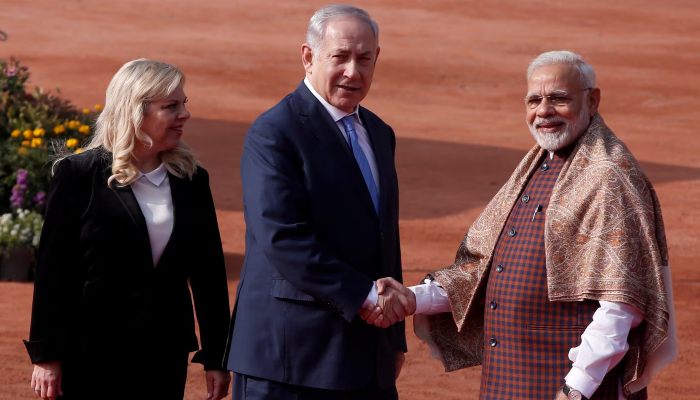
Israeli Prime Minister Benjamin Netanyahu has acknowledged that weapons supplied by Tel Aviv were deployed by India during “Operation Sindoor” — the cross-border offensive in which New Delhi struck Pakistani positions under the pretext of targeting “terrorists.”
The four-day clash began after India, without presenting evidence, accused Pakistan of carrying out a deadly attack on tourists in Pahalgam. The hostilities involved artillery barrages, drone strikes, and air raids between the two nuclear-armed neighbours.
In retaliation, Pakistan’s armed forces launched a large-scale counteroffensive, codenamed “Operation Bunyan-um-Marsoos,” hitting multiple Indian military installations across several regions.
Pakistan downed six Indian fighter jets, including three Rafales, and dozens of drones. After at least 87 hours, the war between the two nuclear-armed nations ended on May 10 with a ceasefire agreement brokered by the US.
In a post on X, Netanyahu said he met the Indian ambassador to Israel, JP Singh, to discuss strengthening “security and economic” cooperation, before addressing senior Indian journalists.
Indian media reported that he acknowledged that Israeli-supplied systems, including Barak-8 surface-to-air missiles and HARPY drones, played a key role in India’s operations.
“The things we provided before worked very well on the field... we develop our weapons in the field and they are battle-tested,” Netanyahu remarked, adding that Israel plans to escalate its military campaign in Gaza.
Weapons used against Pakistan
According Indian media, India deployed the jointly developed Barak-8 missile system alongside Israeli HARPY drones to counter Pakistani missile strikes during the May conflict. The Russian-made S-400 missile defence system and various Indian-made weapons were also used.
The HARPY drone is designed for “suppression of enemy air defences” and can autonomously detect and destroy radar systems with high-explosive warheads, while the Barak-8 system offers 360-degree coverage and the ability to intercept multiple aerial threats within a 100km range.
Israel’s support for India
Israel’s backing for India’s action was explicit. Kobbi Shoshani, Israel’s Consul General in Mumbai, called Operation Sindoor “an action of self-defence” and said he was “very proud” of it.
Israel remains one of India’s largest arms suppliers, with over $2.9 billion in hardware exports to New Delhi over the last decade, including radars, drones, and missile systems. Despite its ongoing war on Gaza, Israel has maintained uninterrupted weapons deliveries to India.
India’s other main suppliers are Russia ($21.8 billion), France ($5.2 billion), and the US ($4.5 billion).


-
 Danish PM Mette Frederiksen expresses optimism for peaceful arctic resolution amid US pressure over Greenland
 -
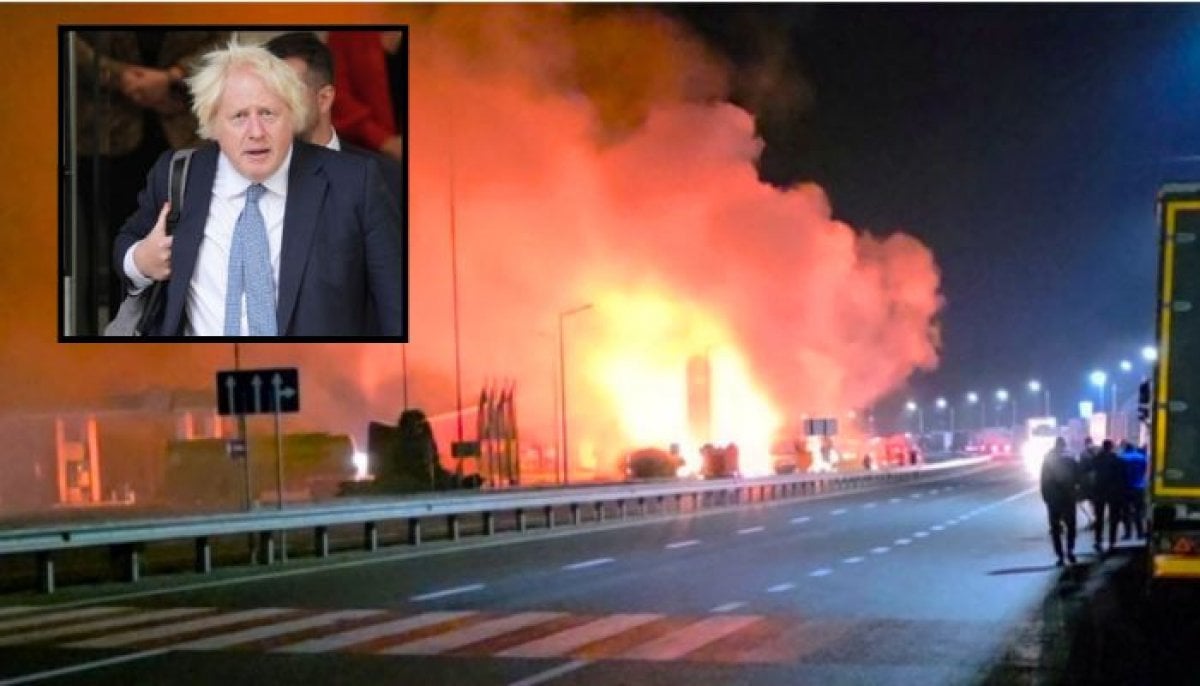 Boris Johnson narrowly escapes drone strikes near polish border as moscow escalates NATO-border attacks
 -
 Russia welcomes Trump’s push to halt Ukraine strikes on diesel facilities
 -
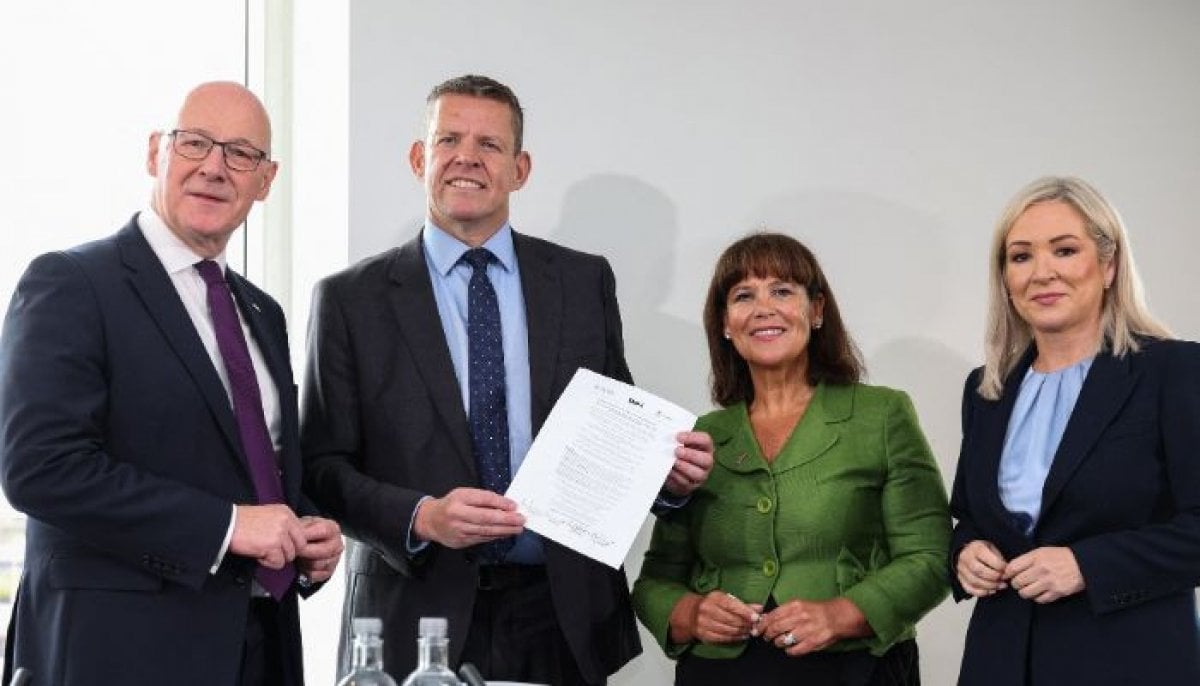 UK faces fresh breakup calls as Scotland, Wales and Northern Ireland look to EU
 -
 EU leaders push new Arctic policy as China, Russia expand presence
 -
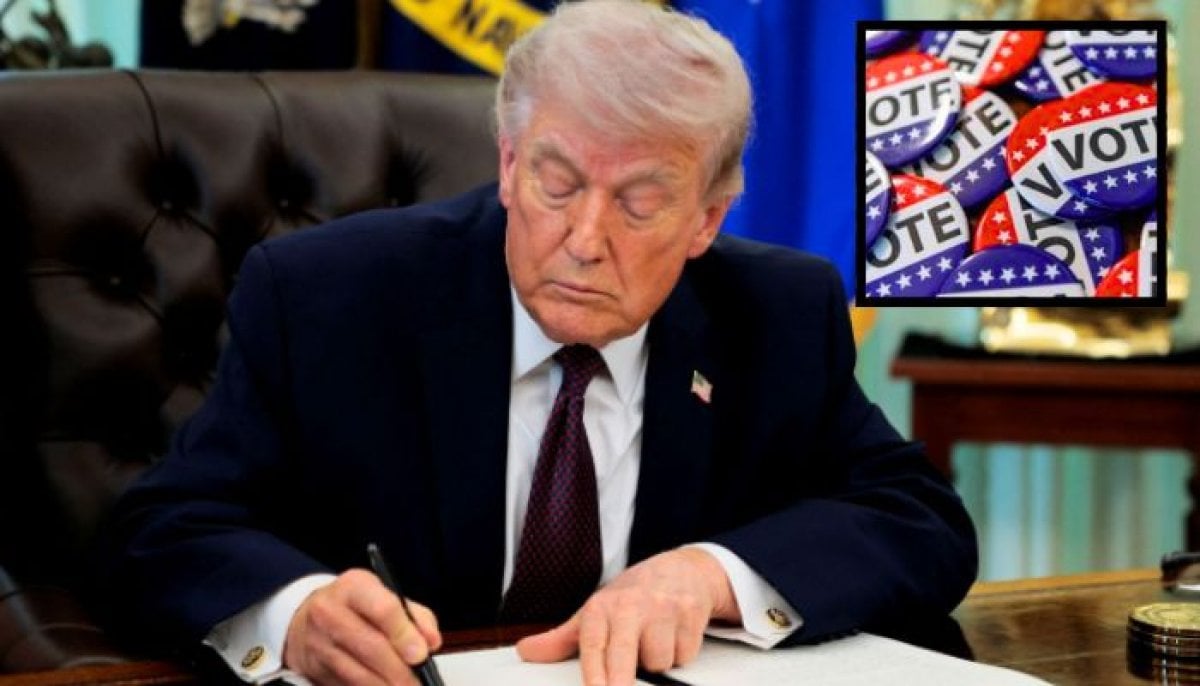 Trump mail ballot order blocked by second Federal Judge as US Supreme Court prepares to weigh in
 -
 UK Parliament urges comprehensive AI bill to tackle human rights threats and regulatory gaps
 -
 Canada courts EU for ‘unique alliance’ as US trade war intensifies
-
 Jemima Goldsmith gets married again 22 years after Imran Khan split
 -
Sweden election too close to call as centre-left leads by just one seat
-
Wisconsin Rep. Tom Tiffany swims to safety after plane makes emergency landing in lake
-
Trump tells Ukraine to stop targeting Russian diesel amid record US fuel prices