Iran sceptical over coming US talks, say officials
"Indirect negotiations can guarantee a genuine and effective dialogue," says Araqchi
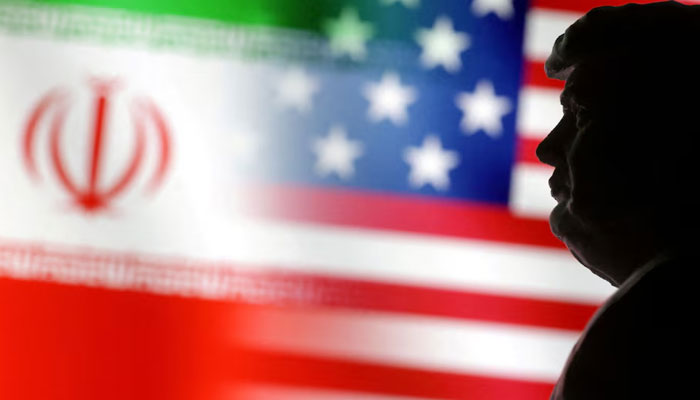
Iran is approaching weekend talks with the United States over its nuclear programme warily, with little confidence in progress and deep suspicions over US intentions, Iranian officials told Reuters on Tuesday.
The talks were announced on Monday by US President Donald Trump, who has repeatedly threatened Washington's old foe Iran with military action if it does not agree to a deal since he returned to the White House in January.
Trump has said the talks on Saturday in Oman will be direct but Iranian Foreign Minister Abbas Araqchi repeated on Tuesday Tehran's position that they should be indirect, citing what he called US pressure and threats.
"Indirect negotiations can guarantee a genuine and effective dialogue," he told Iranian state news agency IRNA.
Araqchi said the talks would be led by him and Trump's Middle East envoy Steve Witkoff, mediated by Oman's Foreign Minister Badr al-Busaidi.
A source briefed on US planning for the talks confirmed that Witkoff would lead the US delegation and that the discussions would be broad in the search for a nuclear deal and would not be technical in nature.
"This is still coming together," the source told Reuters.
Tehran would want to see concrete gestures from the United States before any face-to-face talks between Iranian and US officials, Iranian and regional sources said.
"The Iranians told us that direct talks are possible but there has to be a goodwill gesture. Lift some sanctions or unfreeze some money," a regional diplomat said.
Russia backs either direct or indirect talks between Iran and the US as a chance to de-escalate tensions, Kremlin spokesperson Dmitry Peskov said on Tuesday, adding: "We know that certain contacts, direct and indirect, are planned in Oman."
Russia's lower house of parliament also ratified on Tuesday a 20-year strategic partnership with Iran, a sign of the deepening military ties between the two countries.
Efforts to settle a dispute over Iran's nuclear programme, which it says is purely for civilian use but which Western countries see as a precursor to an atomic bomb, have ebbed and flowed for more than 20 years without resolution.
Trump tore up a 2015 deal between Iran and six world powers - the US, Russia, China, France, Britain and Germany - during his first term of office in 2017 and talks since then have stalled.


-
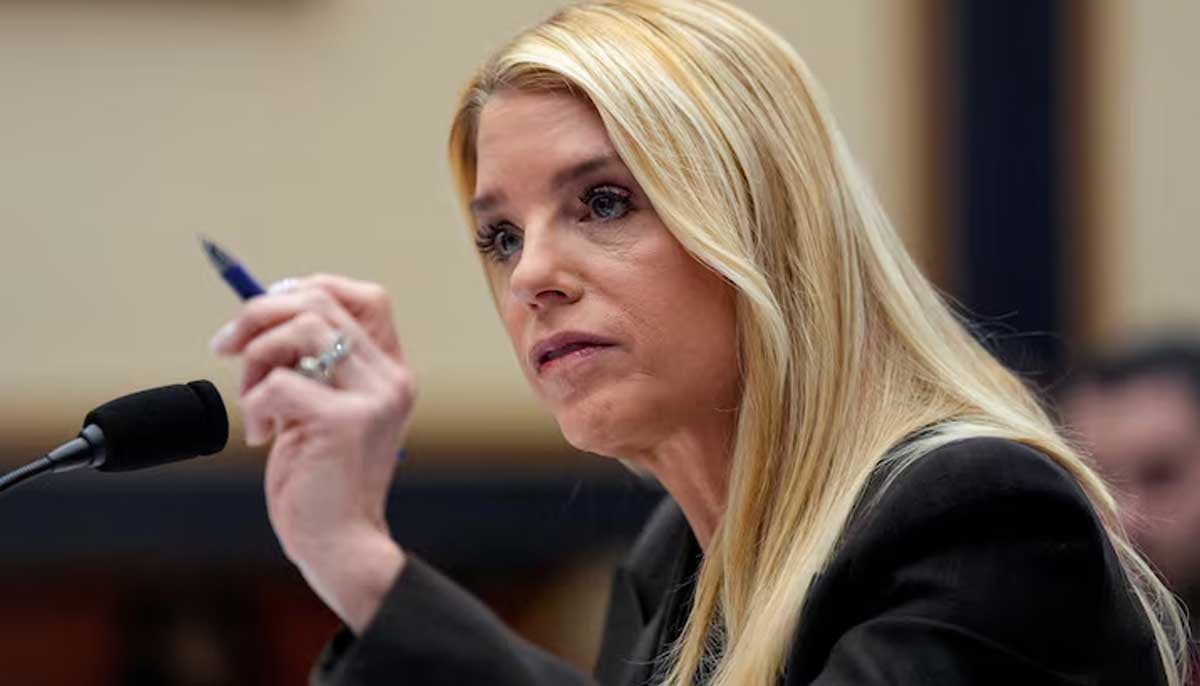 Pam Bondi, dubbed Trump's Ghislaine Maxwell, gets fired
 -
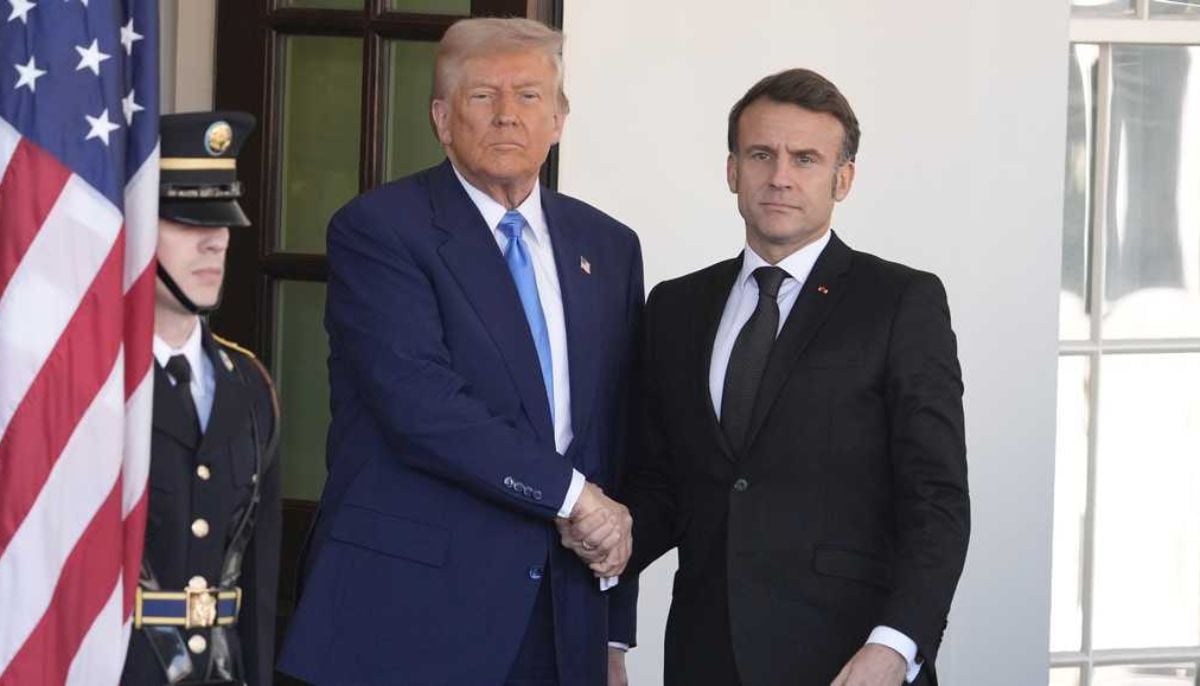 Macron slams Trump: ‘Neither elegant nor up to standard’ over mockery
 -
 Storm Dave: Everything you need to know to stay safe this Easter weekend
 -
 Brazil approves law giving separated couples joint custody of pets
 -
 'Poisoned' Mount Everest climbers expose guides' million-dollar fraud scheme
 -
 NASA Artemis II historic rocket launch: Spacecraft successfully enters Earth orbit
 -
 Vanessa Trump remains loyal to Tiger Woods after DUI arrest: Report
 -
 Pink moon 2026: when to see April’s full moon and why it won’t look pink in the sky
-
 Reese's Peanut Butter Cups to return to classic chocolate recipe following public backlash
 -
TDSB vice principal jobs cut as board removes 40 roles amid funding loss, enrolment decline
-
Earthquakes hit Indonesia off Ternate, triggering tsunami warning that is now lifted
-
NASA Artemis II rocket launch: Canada’s Jeremy Hansen makes history in first lunar mission in decades