Govt moves Nepra for Rs1.71 per unit reduction in power rates
Proposed cut in power price to be implemented through increase in tariff differential subsidy
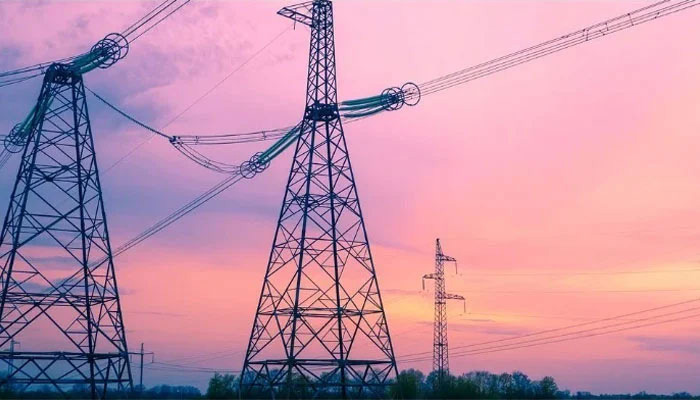
ISLAMABAD: The federal government has approached the National Power Regulatory Authority (Nepra) with a formal petition, proposing a Rs1.71 per unit decrease in electricity tariffs.
According to the petition, the proposed cut in power tariff will be implemented through an increase in the tariff differential subsidy.
The request recommends that the reduction apply to all distribution companies, including K-Electric, for the period from April to June 2025. However, lifeline domestic consumers will not be covered under this adjustment.
Nepra has scheduled a hearing on the government’s petition for April 4. If approved, the federal government will provide a subsidy of Rs1.71 per unit to electricity consumers for April to June.
As per a document available to Geo News, the government has sought the subsidy for three months to improve the electricity demand. The national average rate for FY 2024-25 determined by Nepra was Rs35.50/kWh, against which the government notified national average tariff is Rs32.99/kWh for October 2024 and onwards to bridge the gap through tariff differential subsidy.
It may be noted that the International Monetary Fund (IMF) approved a reduction of Re1 per unit in electricity tariffs, providing relief to all consumers on Thursday.
The tariff relief, as per IMF officials, will be extended to all electricity users and will be financed through revenue generated from the levy imposed on captive power plants using gas.
The development follows the staff-level agreement (SLA) reached between the Washington-based lender and Pakistani authorities concerning the first review of the ongoing 37-month bailout programme.
the lender has clarified that this measure aims to offset financial pressures while maintaining fiscal stability.
It is pertinent to know that even independent power producers (IPPs) have offered to cut electricity tariffs by up to Re0.50 per unit and waive over Rs11 billion in late payment surcharges — on the condition that the government withdraw all ongoing legal proceedings and investigations into alleged excessive profits.
Meanwhile, the government is also working on finalising negotiations with 75 more power producers — mostly solar and wind — by the end of April or May after concluding talks with 29 IPPs that would save Rs3.498 trillion in future payments, despite facing international resistance in some cases.


-
 Tesla drops as spending cuts raise questions about AI and robotics plans
 -
 Barclays to cut 5,000 jobs as AI reshapes banking
 -
 China's brain-computer interface market could reach $920m by 2028
 -
 Bombardier shares rise as Trump drops threat to block aircraft sales in US
 -
 OpenAI seek to raise $30 billion at $1.4 trillion valuation ahead of Anthropic IPO
 -
 Supreme Court rejects Google challenge to patent office review policy: Here's why
 -
 Netflix faces scrutiny over user engagement ahead of Q3 report
 -
 Meta and Tesla are set to report earnings next week: What to know