Trump touts $500 bn AI project with Softbank, Oracle, OpenAI
Trump says venture, called Stargate, "will invest $500bn, at least, in AI infrastructure in United States

WASHINGTON: President Donald Trump on Tuesday announced a major investment to build infrastructure for artificial intelligence led by Japanese giant Softbank, Oracle and ChatGPT-maker OpenAI.
The venture, called Stargate, "will invest $500 billion, at least, in AI infrastructure in the United States," Trump said in remarks at the White House.
"This monumental undertaking is a resounding declaration of confidence in America’s potential under a new president," he said, a day after his swearing in for a second term.
OpenAI’s chief executive Sam Altman, SoftBank’s chief Masayoshi Son and Oracle founder Larry Ellison attended the announcement.
The venture comes as big tech players are scrambling to meet AI’s voracious computing needs, as well as find the electric power necessary to expand the new technology.
Trump said Stargate will be building the physical and virtual infrastructure to power the next generation of advancements in AI, including the construction of "colossal data centres."
"SoftBank and OpenAI are the lead partners for Stargate, with SoftBank having financial responsibility and OpenAI having operational responsibility," OpenAI said in a statement on X.
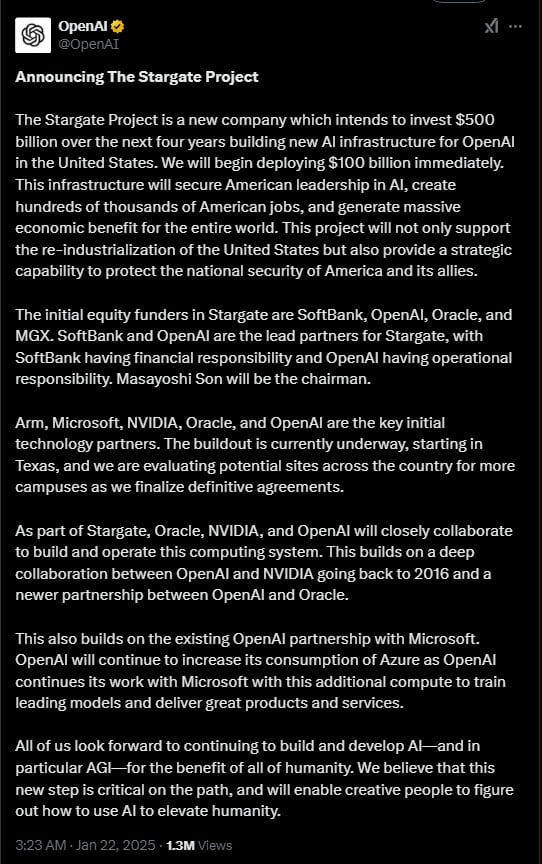
It added that MGX was a fourth initial equity investor, while "Arm, Microsoft, NVIDIA, Oracle, and OpenAI are the key initial technology partners."
"Buildout is currently underway, starting in Texas, and we are evaluating potential sites across the country for more campuses as we finalise definitive agreements," it added.
Texas is fast becoming an alternative to California for US big tech investments.
Ellison, in brief remarks at the White House, underlined the medical innovations promised by AI such as "early cancer detection with a blood test."
The investment announcement comes a day after Trump rescinded an executive order from his predecessor Joe Biden that established oversight measures for companies developing powerful AI models.
Its repeal on Monday leaves the United States, home to most of the world’s most impactful AI technology, without nationwide AI development guidelines, even if individual states are pursuing their own measures.


-
 Doug Ford backs away from Trump war of words as tariff tensions rise
 -
 Ross Fire rages across Texas as extreme drought fuels 50,000-acre wildfire
 -
 Canada’s counter tariffs could target US electricity and energy, raising costs for Americans
 -
 US military transport plane makes mysterious landing in Moscow
 -
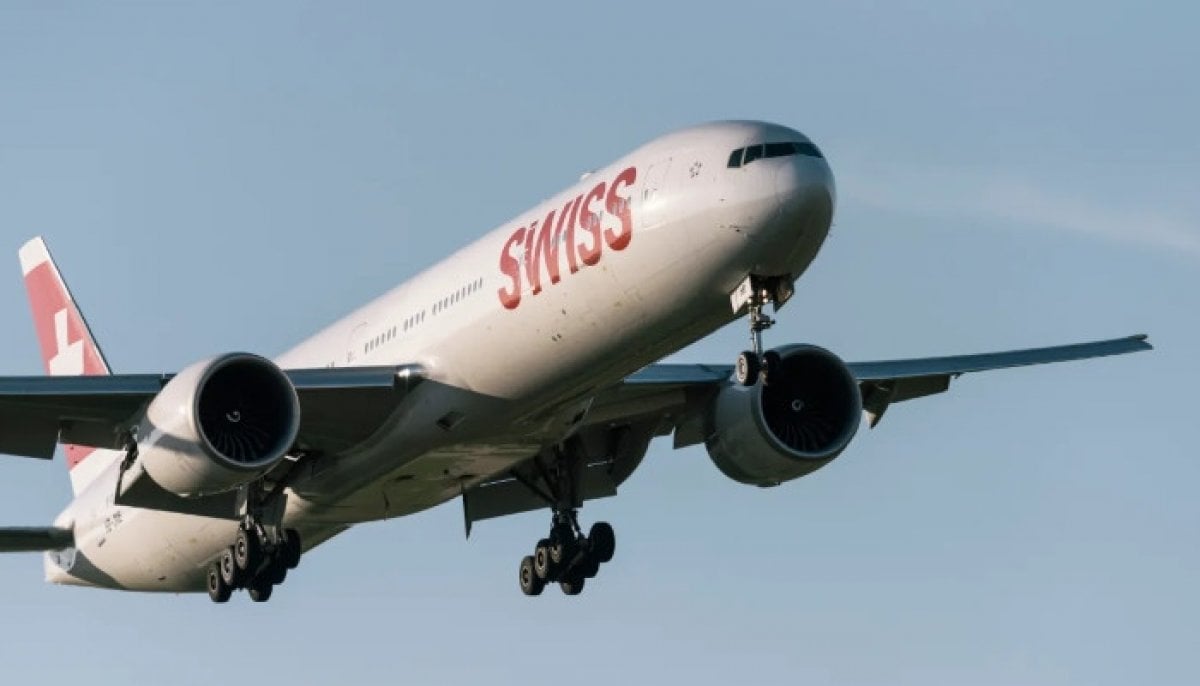 Swiss flight makes emergency landing with 238 people aboard due to chemical odour
 -
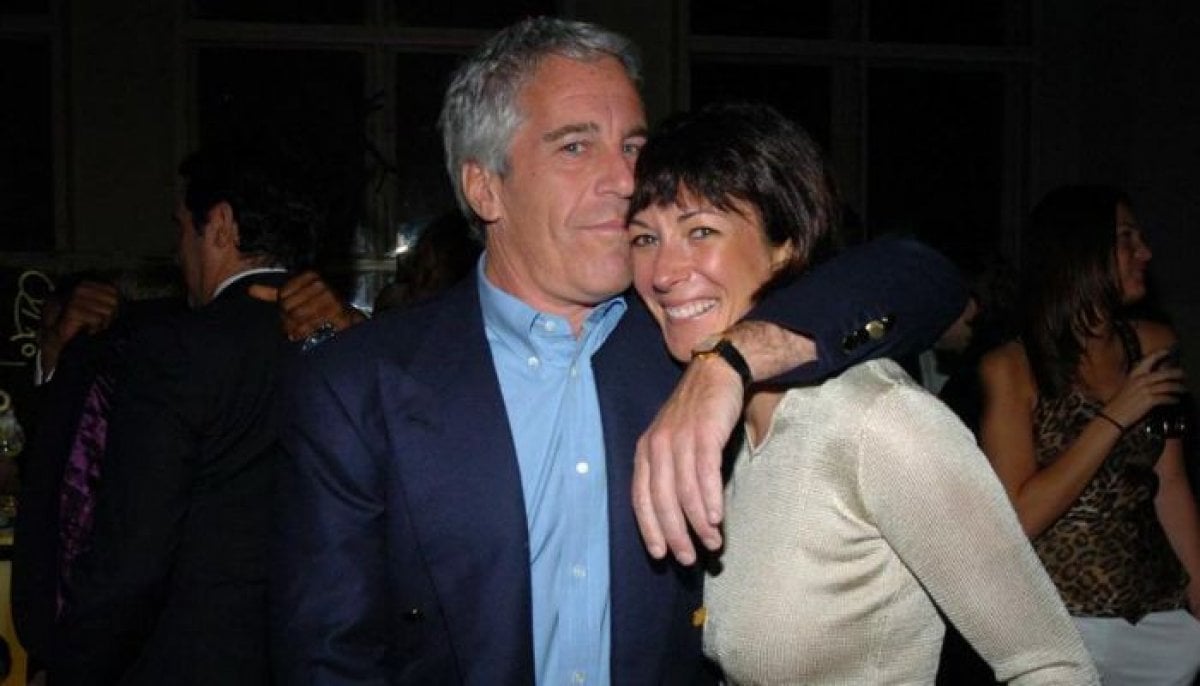 Ghislaine Maxwell’s bid to overturn conviction for helping Jeffrey Epstein rejected: What to know
 -
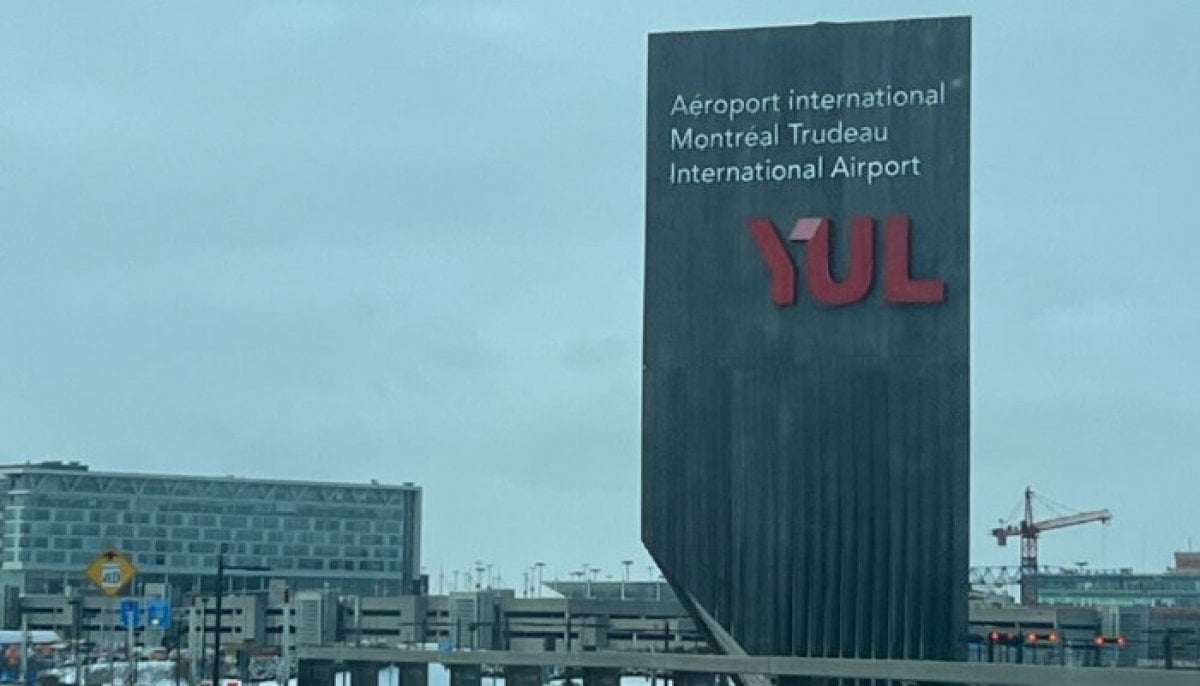 Montreal airport worker dies after aircraft strikes him while backing up
 -
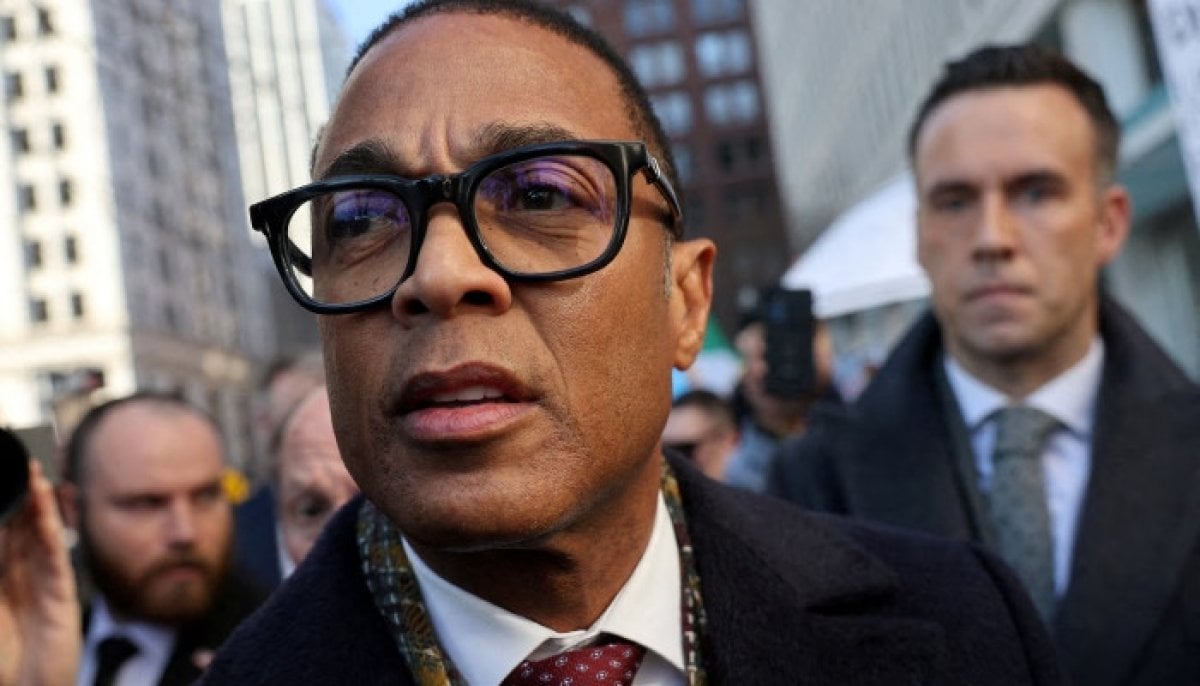 Don Lemon case faces new scrutiny as judge orders DOJ to hand over grand jury records
-
 Putin allows state takeover of key Russian sites as UK expands Ukraine missile support
 -
US lawmakers urge Trump to bar Americans from aiding Chinese security agencies
-
‘Moral red line’: UN, Red Cross demand urgent rules on autonomous weapons
-
Why Syria’s removal From US terrorism list matters for its economy