Los Angeles inferno: What sparked the wildfires?
10 dead from blazing wildfires with hundreds of buildings destroyed as 180,000 evacuate homes
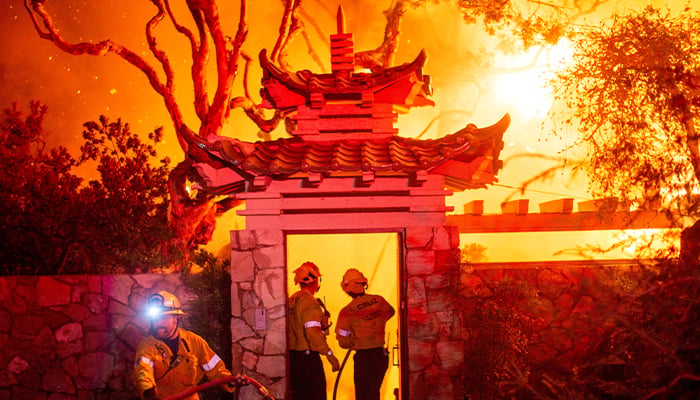
The wildfires in Los Angeles, California have gotten out-of-control with at least 10 people killed so far, destruction of hundreds of buildings and forced nearly 180,000 residents to evacuate.
The raging blazes continue to cause havoc in the region, threatening loss of more lives and property in its wake.
Thousands of firefighters are working day and night to contain the inferno but despite their efforts, the biggest remains entirely uncontained and raging, as per the BBC.
With the current weather conditions and the impacts of climate change, the wildfire is expected to continue for days.
What are the updates?
In LA, some 179,000 have been given orders to evacuate and the people are fleeing their homes with scarce belongings they could carry.
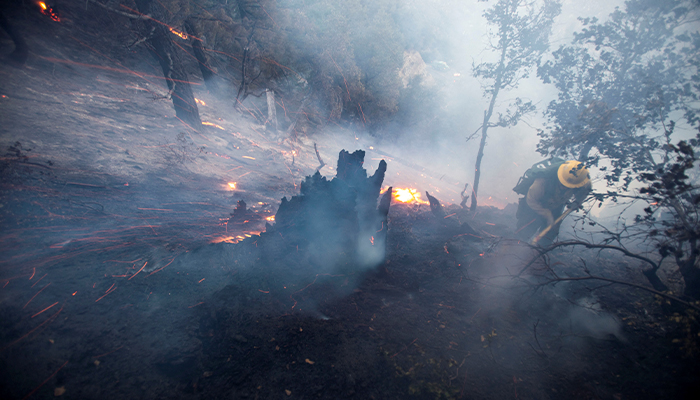
Over 200,000 have also been warned to evacuate, meaning they may need to leave their homes soon.
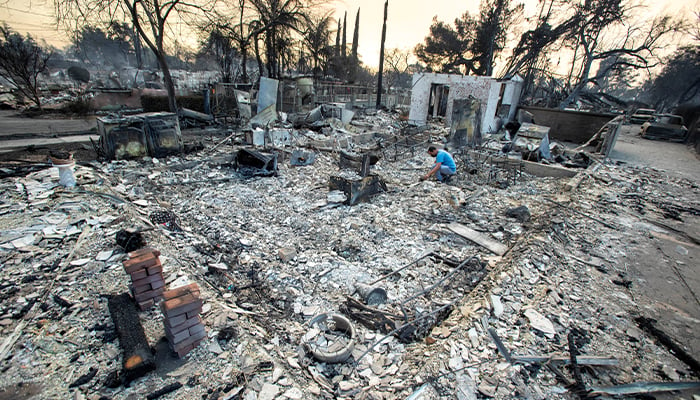
10,000 buildings have been destroyed by the fires and a further 60,000 are at risk.
National Guard troops have been deployed to evacuate and empty areas to prevent looting. According to the police, they have made 20 arrests.
At least five fires are raging in the area, according to California fire officials:
- Palisades is the first fire that erupted on Tuesday. It is the biggest in the region and could become the most catastrophic fire in the history of the state as it has scorched 20,000 acres of land including the Pacific Palisades.
- Eaton has struck the north of LA and is the second biggest fire raging in the area as it has burned nearly 14,000 acres. The brutal fire is 0% contained.
- The Hurst fire blazing in the north of San Fernando began on Tuesday night and is blazing through 670 acres.
- Lidia broke out on Wednesday afternoon in the area of Acton north of LA and spread through 350 acres of land. The fire has been 60% contained.
- A new fire “Kenneth” broke out on Thursday on LA’s border and Ventura counties. It has devastated over 1,000 acres of Land.
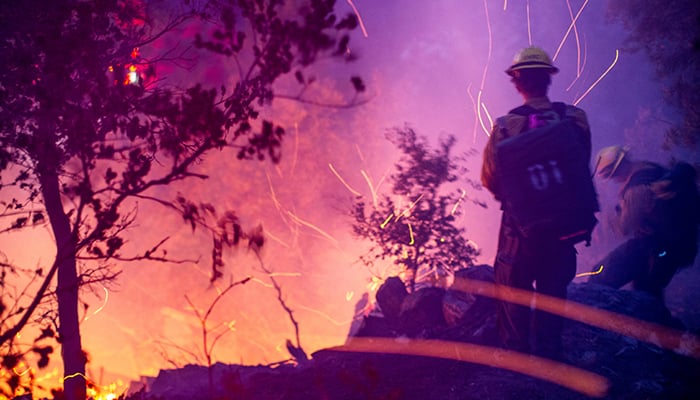
Before the fires had broken out and left a charred landscape in its wake, LA’s fire chief had warned that budget cuts were hampering the department’s ability and capacity to respond to emergencies, according to CBS News.
What caused the fires and did climate change play a role in it?
Downtown LA has just received 0.16 inches of rain since October last year. A combination of the dry period and powerful offshore gusts known as the Santa Ana winds, have created ripe conditions for wildfires to begin.
The winds flow east to west through southern California’s mountains and can be responsible for the massive scale of devastation that follows.
The winds blow across the deserts further inland and create conditions where humidity drops and it dries out vegetation. If a fire does begin, the winds can stoke the small embers into a massive blaze in minutes.
Forecasters have warned the residents and officials that another Santa Ana wind event will occur and will move in on Thursday night (local time).
Experts say climate change is increasing the likelihood of such fires.
Western part of the US including the State of California went through a decades-long drought that just ended two years ago.
Research done by the US government leaves no doubt in linking climate change to larger and more drastic wildfires in the west of the country.
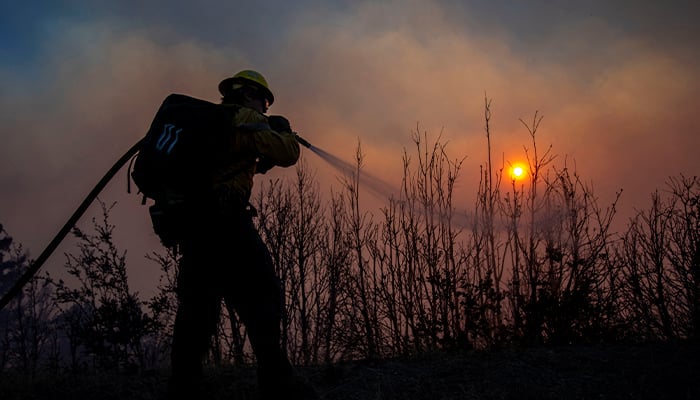
"Climate change, including increased heat, extended drought, and a thirsty atmosphere, has been a key driver in increasing the risk and extent of wildfires in the western United States," the National Oceanic and Atmospheric Administration says.
Fire season in southern California tends to last from May to October but the governor of the state, Gavin Newsom has pointed out that these blazes have become an issue.
"There's no fire season," he said. "It's fire year”.


-
 Pam Bondi, dubbed Trump's Ghislaine Maxwell, gets fired
 -
 Macron slams Trump: ‘Neither elegant nor up to standard’ over mockery
 -
 Storm Dave: Everything you need to know to stay safe this Easter weekend
 -
 Brazil approves law giving separated couples joint custody of pets
 -
 'Poisoned' Mount Everest climbers expose guides' million-dollar fraud scheme
 -
 NASA Artemis II historic rocket launch: Spacecraft successfully enters Earth orbit
 -
 Vanessa Trump remains loyal to Tiger Woods after DUI arrest: Report
 -
 Pink moon 2026: when to see April’s full moon and why it won’t look pink in the sky
-
 Reese's Peanut Butter Cups to return to classic chocolate recipe following public backlash
 -
TDSB vice principal jobs cut as board removes 40 roles amid funding loss, enrolment decline
-
Earthquakes hit Indonesia off Ternate, triggering tsunami warning that is now lifted
-
NASA Artemis II rocket launch: Canada’s Jeremy Hansen makes history in first lunar mission in decades