Polls close in heavily indebted Sri Lanka's presidential election
Wickremesinghe, Premadasa, Dissanayake frontrunners, opinion poll says

COLOMBO: Polls closed in heavily indebted Sri Lanka's presidential election as millions of islanders cast their votes on Saturday to select a leader who will face the task of bolstering the South Asian country's fragile economic recovery following its worst financial crisis in decades.
More than 17 million of Sri Lanka's 22 million people are eligible to vote in an election that has shaped up to be a close contest between President Ranil Wickremesinghe, main opposition leader Sajith Premadasa and Marxist-leaning challenger Anura Kumara Dissanayake, who led in one recent opinion poll.
Citizens in the capital Colombo lined up early at polling booths, which were guarded by security personnel, as voting began at 7am (0130 GMT). It was proceeding peacefully across the island nation, according to local media.
Counting stared shortly afterward the polls closed at 4pm (1030 GMT). The Election Commission is expected to announce the winner on Sunday.
Over 13,000 polling stations were set up across the country and 250,000 public officials deployed to manage the election, RML Rathnayake, the head of Sri Lanka's election commission, told Reuters.
This is the first election since Sri Lanka's economy buckled in 2022 under a severe foreign exchange shortage, leaving the Indian Ocean island nation unable to pay for imports of essentials including fuel, medicine and cooking gas.
Thousands of protesters marched in Colombo in 2022 and occupied the president's office and residence, forcing then-President Gotabaya Rajapaksa to flee and later resign.
Buttressed by a $2.9 billion bailout programme from the International Monetary Fund, Sri Lanka's economy has posted a tentative recovery but the high cost of living remains a core issue for many voters.
Although inflation cooled to 0.5% last month from a crisis high of 70%, and the economy is forecast to grow in 2024 for the first time in three years, millions remain mired in poverty and debt, with many pinning hopes of a better future on their next leader.
Whoever wins the election will have to ensure Sri Lanka sticks with the IMF programme until 2027 to get its economy on a stable growth path, reassure markets, attract investors and help a quarter of its people climb out of crisis-caused poverty.
"Your decision at the polls today will shape the future of our nation, not just for the next five years, but for generations to come," Foreign Minister Ali Sabry posted on X in support of Wickremesinghe. "Use your vote wisely so Sri Lanka can continue its recovery and move forward towards a sustainable and prosperous future."
Sri Lanka's ranked voting system allows voters to cast three preferential votes for their chosen candidates.
If no candidate wins 50% in the first count, there is a second round between the two frontrunners, with the preferential votes of other candidates redistributed, an outcome analysts say is likely given the close nature of the election.


-
 TDSB vice principal jobs cut as board removes 40 roles amid funding loss, enrolment decline
 -
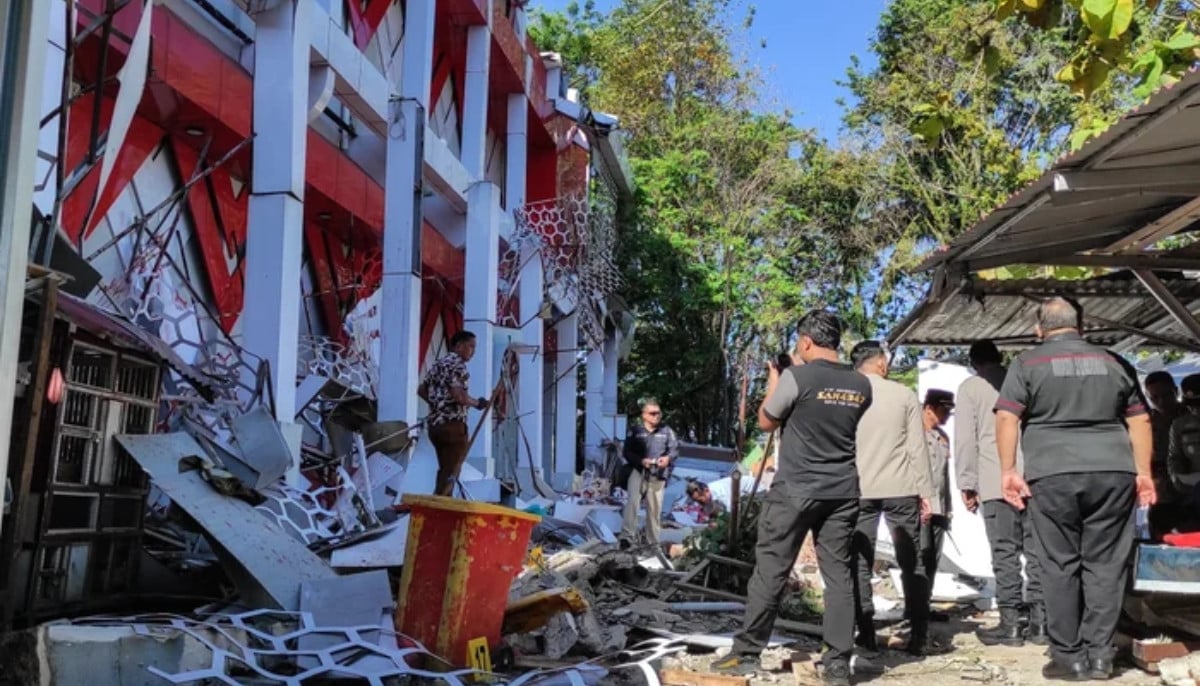 Earthquakes hit Indonesia off Ternate, triggering tsunami warning that is now lifted
 -
 NASA Artemis II rocket launch: Canada’s Jeremy Hansen makes history in first lunar mission in decades
 -
 Donald Trump claims US is nearing end of its military campaign in Iran
 -
 Trump on Mount Rushmore? April Fools story tricks readers
 -
 Kristi Noem's husband was blackmailed by hostile intelligence services?
 -
 Trump signals possible US exit from Nato, claims allies ‘weren’t there for us’
 -
 Tiger Woods, girlfriend Vanessa Trump relationship in trouble: 'Kids come first'
-
 April Fools’ Day mystery explained with theories linking pranks to calendar reforms and folklore
 -
Flash flood warning in effect for Lawrence and Mercer counties amid storms and rising water levels
-
Mexico oil spill dispute grows as environmental groups accuse government of hiding true source
-
Tornado warning issued as severe storms cause damage and power outages across Northeast Ohio