WB says assessing impact of unfolding situation in Bangladesh on loan programme
"We mourn the violence and tragic loss of life that has taken place in recent weeks in Bangladesh," says World Bank

WASHINGTON: The World Bank on Monday said it was assessing the impact of events in Bangladesh on its loan programme with the country after its Prime Minister Sheikh Hasina resigned and fled.
Hasina's exit came after hundreds of people were killed in a crackdown on demonstrations that began as protests against preferential job quotas and swelled into a movement demanding her downfall.
"We mourn the violence and tragic loss of life that has taken place in recent weeks in Bangladesh and hope for a swift and peaceful resolution. We are assessing the impact of the unfolding situation on the World Bank Group programme and remain committed to supporting the development aspirations of the people of Bangladesh," a spokesperson for the bank said.
The World Bank's board in June approved two projects totaling $900 million to help Bangladesh strengthen fiscal and financial sector policies and improve urban infrastructure to ensure sustainable and climate-resistant growth.
The World Bank was among the first development partners to support Bangladesh following its independence. Since then, the bank has committed about $41 billion in grants and interest-free credits to the disaster-prone country.
The World Bank Group had total commitments in Bangladesh of $2.85 billion in fiscal year 2024, ended June 30, according to the bank's website.


-
 China weighs allowing ByteDance, Alibaba to purchase new Nvidia RTX Pro 5500 chips
 -
 Why Bill Gates is calling for stronger AI rules amid growing safety concerns
 -
 Meta’s Muse agent targets one of the economy’s most profitable sectors: Key details to know
 -
 Andy Burnham refuses to back Heathrow’s third runway
 -
 US, China agree to $30 billion tariff cuts; Launch 'Super Intelligence' AI dialogue
 -
 Apple faces record $5.7 billion patent verdict over haptic technology: Here’s why
 -
 Anthropic IPO: Co-founders push for majority voting power
 -
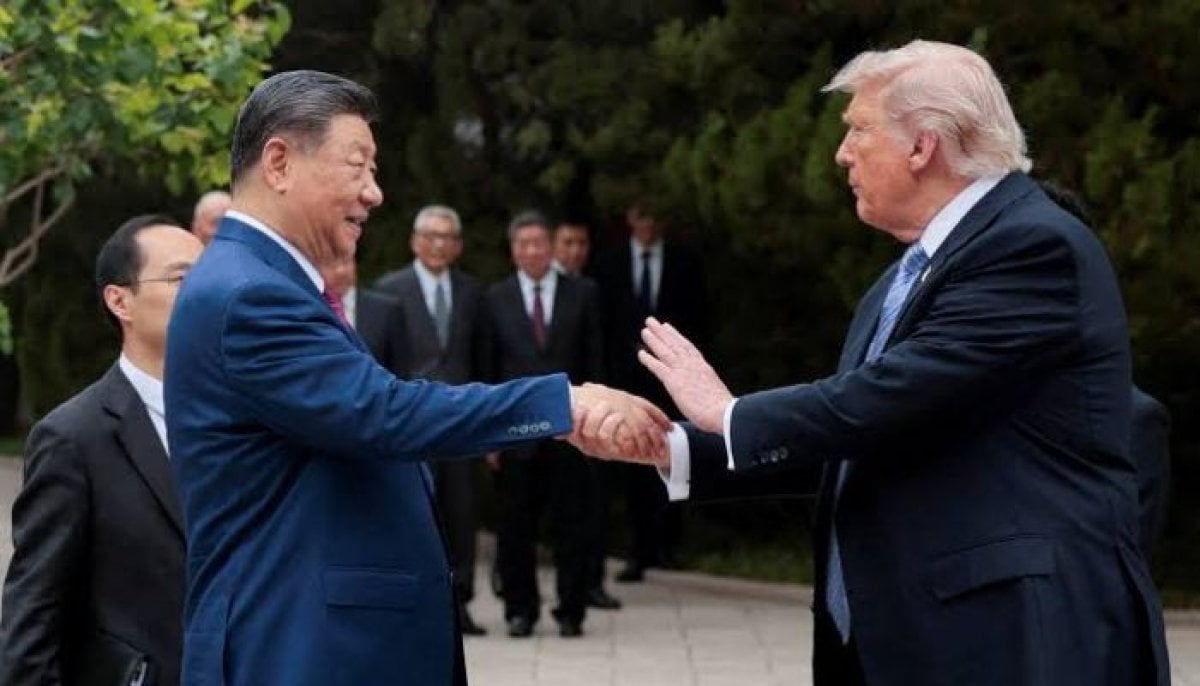 Trump-Xi summit: China sees ‘surprise’ surge in U.S. orders
-
 Polymarket sues New York Attorney General to block prediction market crackdown
 -
AI tools for health generated nearly $1 billion in extra costs: report
-
Qualcomm and Apple extend global patent licensing agreement: What to know
-
Chinese AI startup DeepSeek hits $1 billion annualized revenue run rate following API price hikes