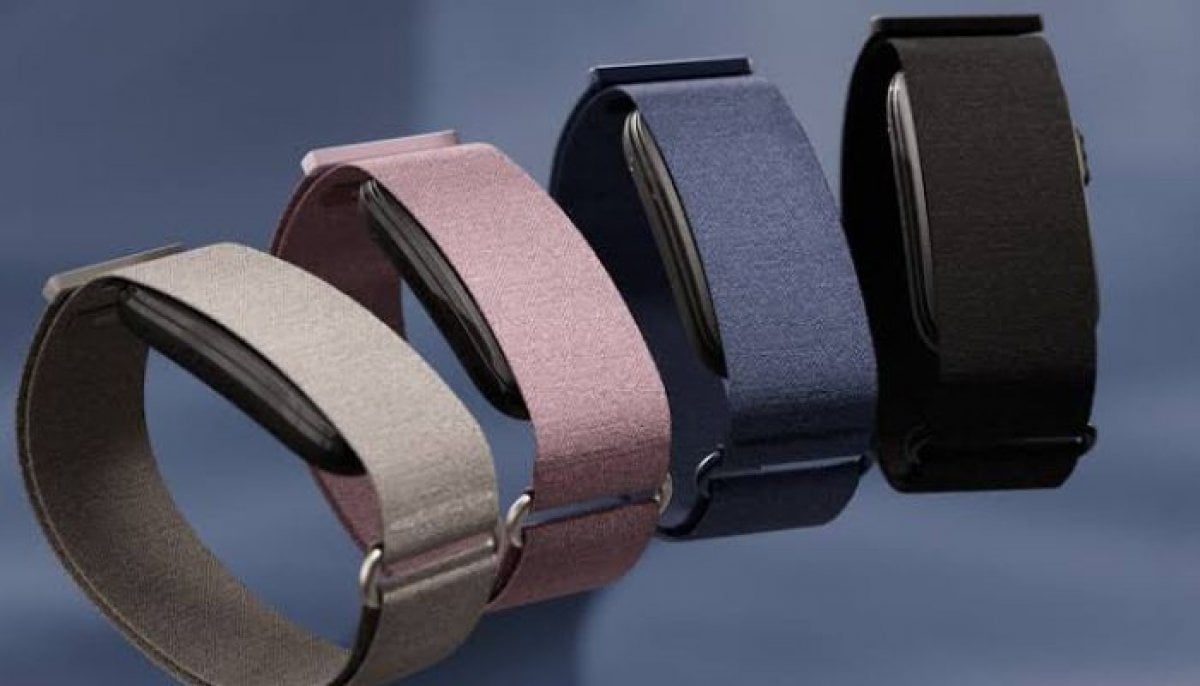
World's first head transplant machine REVEALED
BrainBridge is behind this amazing technology
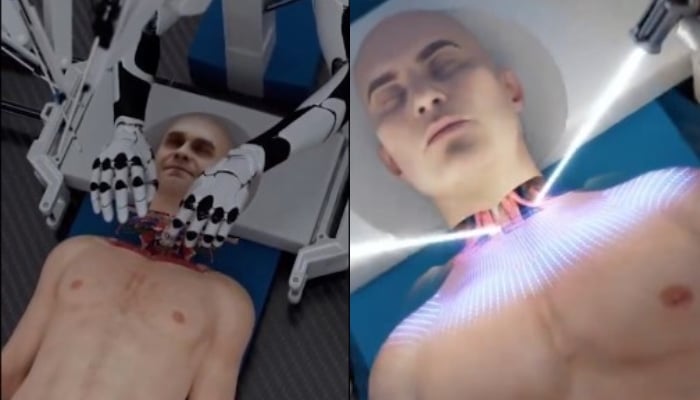
In a world's first, a bioengineering company announced today that it is working on a "head transplant system."
A startling video suggests transferring a patient's brain and spinal cord to a donor body via robotics and artificial intelligence (AI).
In as little as eight years, the prototype developed by BrainBridge may be prepared to carry out the ground-breaking medical procedure.
Given that the brain is "capable of lasting several hundred years provided that the rest of the body remains young," the US startup asserts that patients undergoing the gruesome surgery may even live far longer than the typical lifespan.However, experts today told MailOnline that the idea is a "bad joke" and "stuff of fiction," calling it a "gross oversimplification of how the brain works."
Human head transplantation was deemed unethical in 2016 by the European Association of Neurosurgical Societies' Ethico-legal Committee.
The committee does, however, have professional recommendations for neurosurgery practice; it is not legally empowered to ban the treatment from being carried out.
At the time, it was considered that there would be significant dangers associated with a patient receiving a head transplant, including the possibility of death.
'There is no solid evidence base for all steps of the procedure; for some, there is even lack of proof of concept,” it added.


-
 France steps up Ebola support in Congo as fears of resurgence grow
 -
 Vance’s fraud crackdown may raise health insurance costs for Americans
 -
 One common mistake elevates blood pressure readings by 7 points, study warns
 -
 Moderna loses US government license defense in patent case
 -
 Novo says new Ozempic shows lower cardiovascular risk compared with Lilly’s Mounjaro
 -
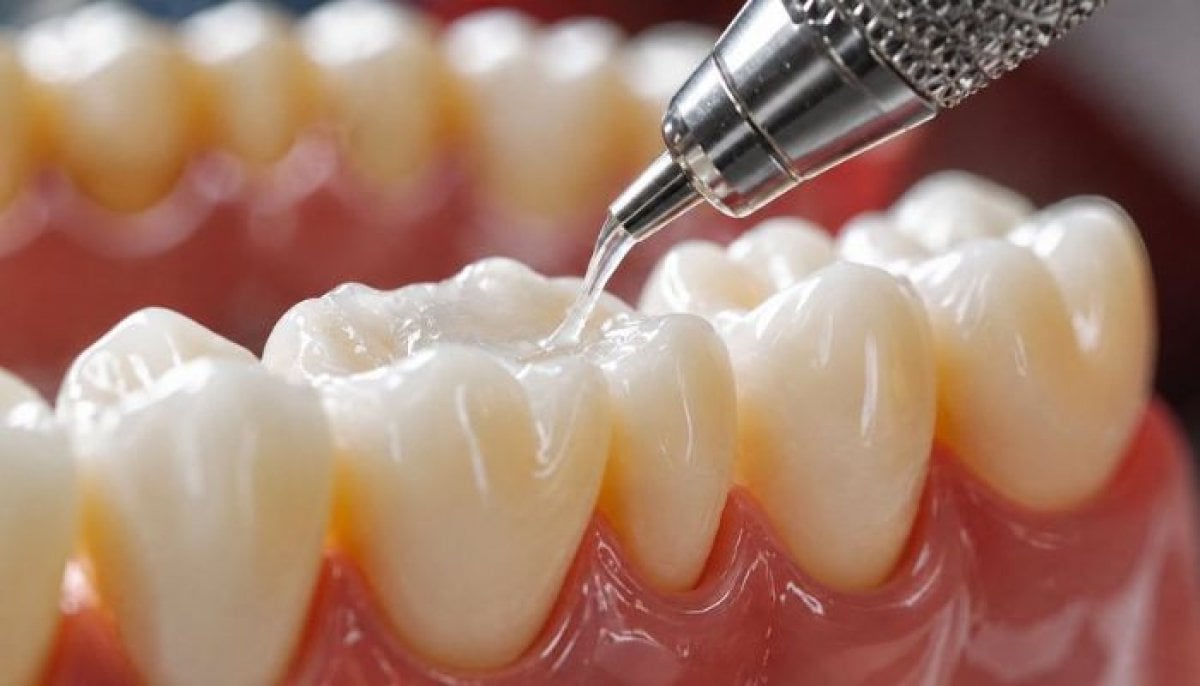 University of Nottingham researchers say new gel could regrow tooth enamel in weeks
 -
 New Chinese drug extends stroke treatment window from hours to 2 days: study finds
 -
 Trump’s FDA nominee Heidi Overton defends vaccines, contradicting his claims