
How exercise can keep your voice strong and healthy?
Vocal folds in our voice box are small muscles that like any other muscle, need to be exercised to stay flexible and strong

As we grow old, our voice undergoes significant changes. It becomes weaker, less expressive. It trembles more.
However, experts say that exercising regularly can help prevent these changes and keep our voice strong and healthy. The vocal folds in our voice box are small muscles that vibrate to produce sound, and just like any other muscle, they need to be exercised to stay flexible and strong.
Regular physical activity helps maintain the flexibility and strength of our vocal muscles. Physical activity keeps our voice strong and healthy. People who regularly go to the gym or do 10,000 steps a day are less likely to experience voice ageing. Additionally, drinking plenty of water and using steam inhalation can help lubricate our vocal cords, while joining a choir or speaking regularly can help keep our vocal muscles toned.
Experts also recommend that we avoid junk food and eat a healthy diet to protect our vocal cords from irritation.
People who use their voice professionally, such as teachers or singers, may be less likely to experience voice ageing due to their regular use of their vocal muscles. However, it's still essential for them to take care of their voices and maintain a healthy lifestyle to prevent any damage.
By prioritising our voice health, we can maintain our ability to communicate effectively and confidently, even in old age. So, next time you're thinking of hitting the gym, remember that it's not just your body that will benefit – your voice will thank you too.





-
 Antioxidants found to be protective agents against cognitive decline
 -
 Coffee reduces cancer risk, research suggests
 -
 Keto diet emerges as key to Alzheimer's cure
 -
 What you need to know about ischemic stroke
 -
 Shocking reason behind type 2 diabetes revealed by scientists
 -
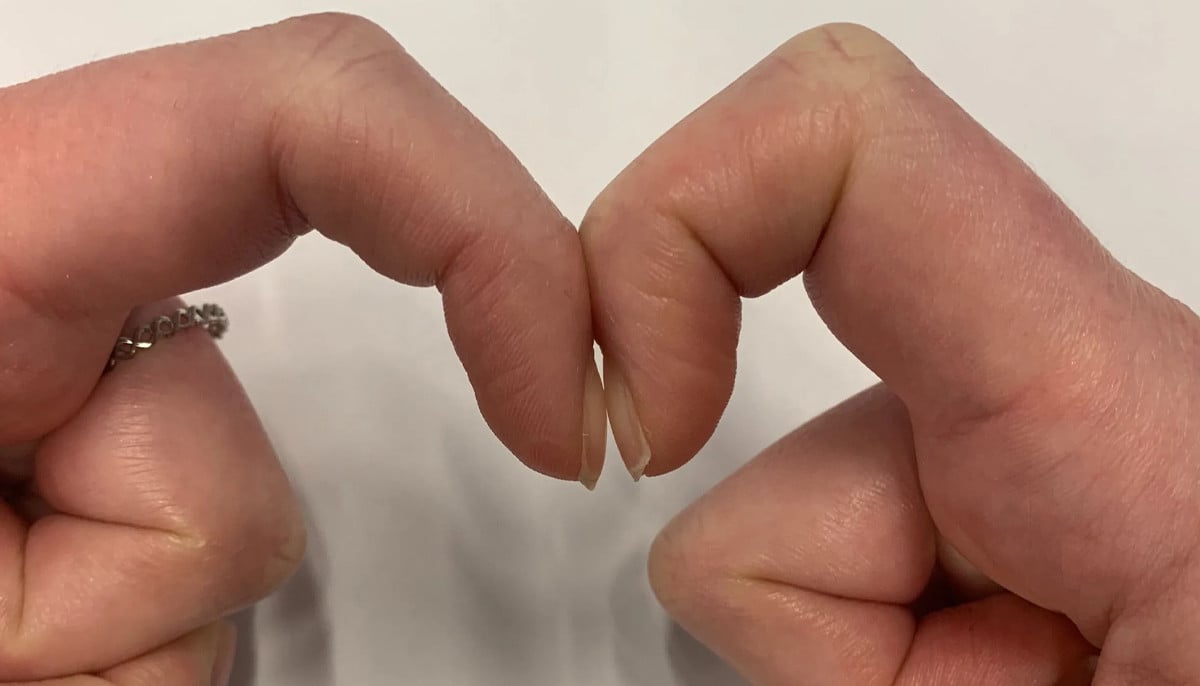 Simple 'finger test' unveils lung cancer diagnosis
 -
 Groundbreaking treatment for sepsis emerges in new study
 -
 All you need to know guide to rosacea