Dangers of sedentary lifestyle: Why prolonged sitting is the new smoking?
When we sit for long hours, production of fat and sugar cutting molecules decreases and lead to weight gain

Are you one of those who spend hours sitting at one place? If your answer is yes, then you need to stop sitting for prolonged hours, as it can be very dangerous for your overall health.
Humans are meant to be standing upright, as helps maintain your physique, while living a sedentary lifestyle has negative affects on your body as well as several health disadvantages, Healthline reported.
Want to know how a sedentary lifestyle impacts your body and health? Following is an explanation of everything that could happen if you sit all day.
Weight gain
Moving our body helps food get digested. All the sugar and fats that we eat, get processed by a molecule called, "lipoprotein lipase," which gets released from our muscles when we move.
If we spend most of our day sitting, then the production of these molecules will be lessened, causing our rear end to widen.
According to a study, men who sit all day tend to gain weight around their stomach, which is very harmful.
Weak legs and glutes
Not moving for long can lead to weakening of our lower leg muscles, increasing the chances of injury.
Pressure on back
As with leg and glute muscles, sitting for long, may cause your hip flexors to shorten. Sitting in a bad position may exert pressure on spine discs, which can lead to premature degeneration, or chronic pains.
Mental health risks
Studies have found that people with a sedentary lifestyle have higher chances of developing depression and anxiety.
Health risks
Emerging studies suggest that elongated periods of sitting increases certain types of cancer risks such as lung, uterine and colon.
Furthermore, research suggests, people who sit more, increase their chances of suffering a heart attack or a stroke by 147%. Sitting also increases risk of diabetes by 112%.
Being seated at one place for a longer period may also cause blood to gather in your legs which can lead to a condition called varicose veins or spider veins.


-
 Everything to know about US FDA’s new guidance on apps used with prescription drugs
-
 ‘Immortal’ jellyfish could hold clues to slowing human ageing
-
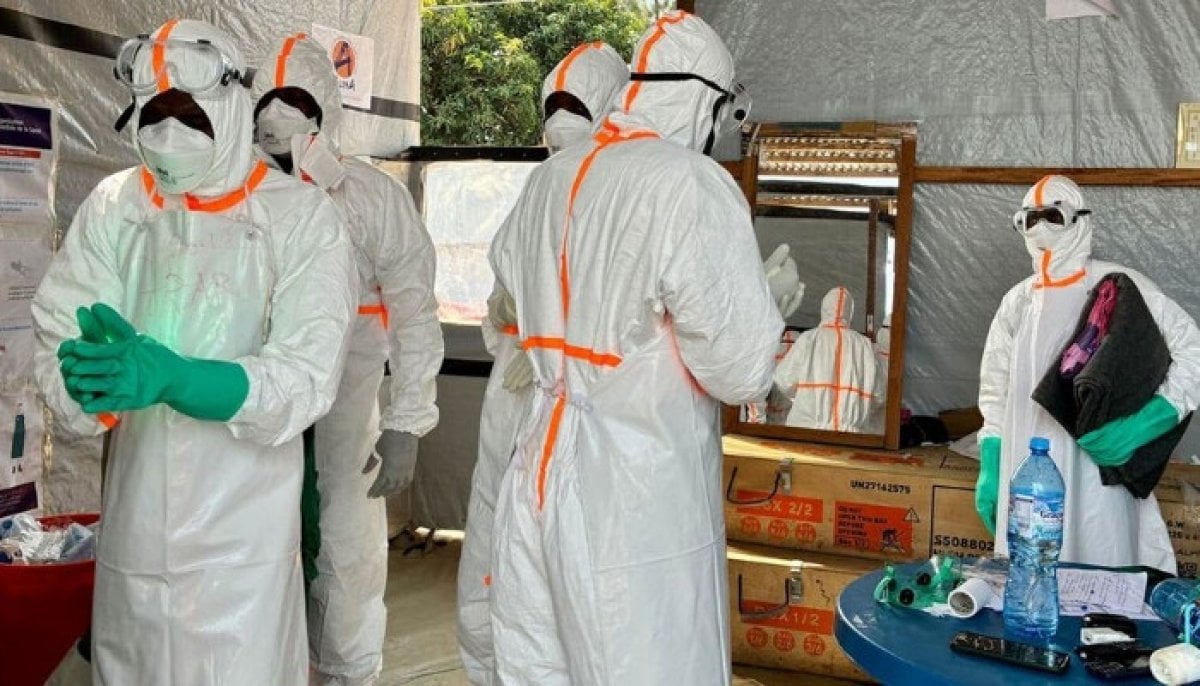 Ebola crisis worsens in DR Congo as virus reaches eighth province with over 4,500 dead
-
 Study finds eating blueberries every day can surprisingly boost your mood
-
 Eli Lilly’s Foundayo weight-loss pill gets European approval recommendation
-
 What is BPC-157? Trump administration considers easing rules on popular peptide injections
-
 West Nile virus: Europe reports 141 deaths as human cases rise in 2026
-
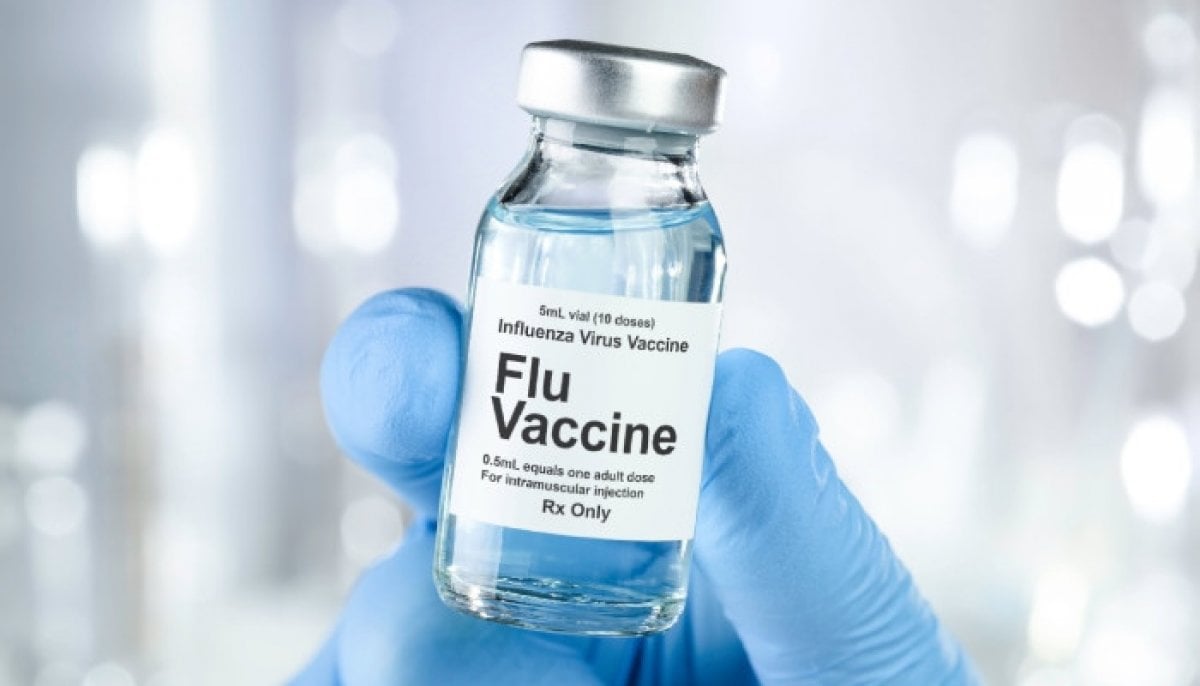 Health Canada reviewing new mRNA flu vaccine that could prevent more hospitalisations