TikTok's fried toothpick trend raises health concerns in South Korea
South Koreans eating fried toothpicks have gone viral on TikTok
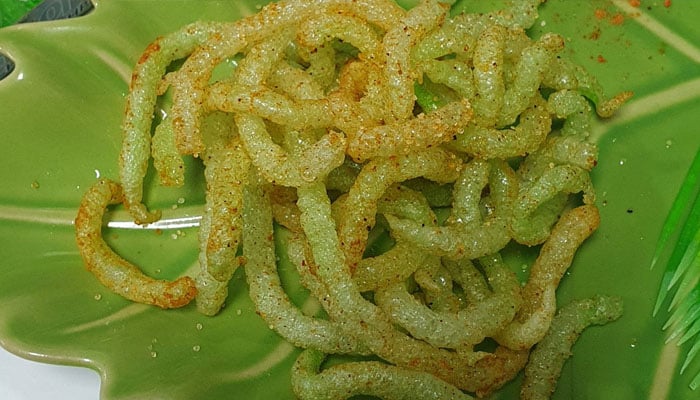
South Korea's food ministry issued an advisory to the public after TikTok users posted videos of themselves eating green, fried toothpicks.
After being deep-fried, the toothpicks, which are manufactured from maize or sweet potato starch, have a jade colour and resemble thin, curled fries, according to Sky news.
On social media, videos of people eating them have gotten thousands of likes and shares.
The videos demonstrate how the toothpicks are fried in oil and then seasoned with cheese powder.
"It's very crispy," one TikTok user declared.
The food and drug safety ministry cautioned users that the toothpicks' "safety as food has not been verified" in a post on X.
"Please do not eat [them]," the ministry added.
In addition to being used for picking up finger food, toothpicks are frequently found on tables in Korean restaurants due to their perceived environmental friendliness and biodegradability.
Food colouring was used to give the toothpicks their green tint.
A substance known as sorbitol is reportedly utilised; while it is safe in moderation, an excessive amount of it might result in nausea, vomiting, and diarrhoea.
In South Korea, there is a popular online eating show called Mukbang, in which participants consume odd or excessive amounts of food.
It has been reported that as a result, small children have started asking for toothpick fries.
This is by no means the first occasion that authorities or medical professionals have issued a caution in response to a TikTok craze.


-
 Everything to know about US FDA’s new guidance on apps used with prescription drugs
 -
 ‘Immortal’ jellyfish could hold clues to slowing human ageing
 -
 Ebola crisis worsens in DR Congo as virus reaches eighth province with over 4,500 dead
 -
 Study finds eating blueberries every day can surprisingly boost your mood
 -
 Eli Lilly’s Foundayo weight-loss pill gets European approval recommendation
 -
 What is BPC-157? Trump administration considers easing rules on popular peptide injections
 -
 West Nile virus: Europe reports 141 deaths as human cases rise in 2026
 -
 Health Canada reviewing new mRNA flu vaccine that could prevent more hospitalisations