Nose-picking can increase your risk of Alzheimer's disease: scientists
Alzheimer is a dreadful disease that steadily deteriorates patients' brain function, memory

The filthy behaviour of picking noses that most people have in private may enhance their chance of Alzheimer's disease, as per scientists.
Griffith University researchers discovered a tiny association between nose-picking and the accumulation of proteins related to brain-robbing illness in mice.
They said that going around your nose might harm the protecting interior tissues, making hazardous microorganisms easier to reach your brain.
In turn, the brain reacts to this incursion in a manner similar to that of Alzheimer's disease.
It's a dreadful disease that steadily deteriorates patients' brain function and memory, getting more severe over time.
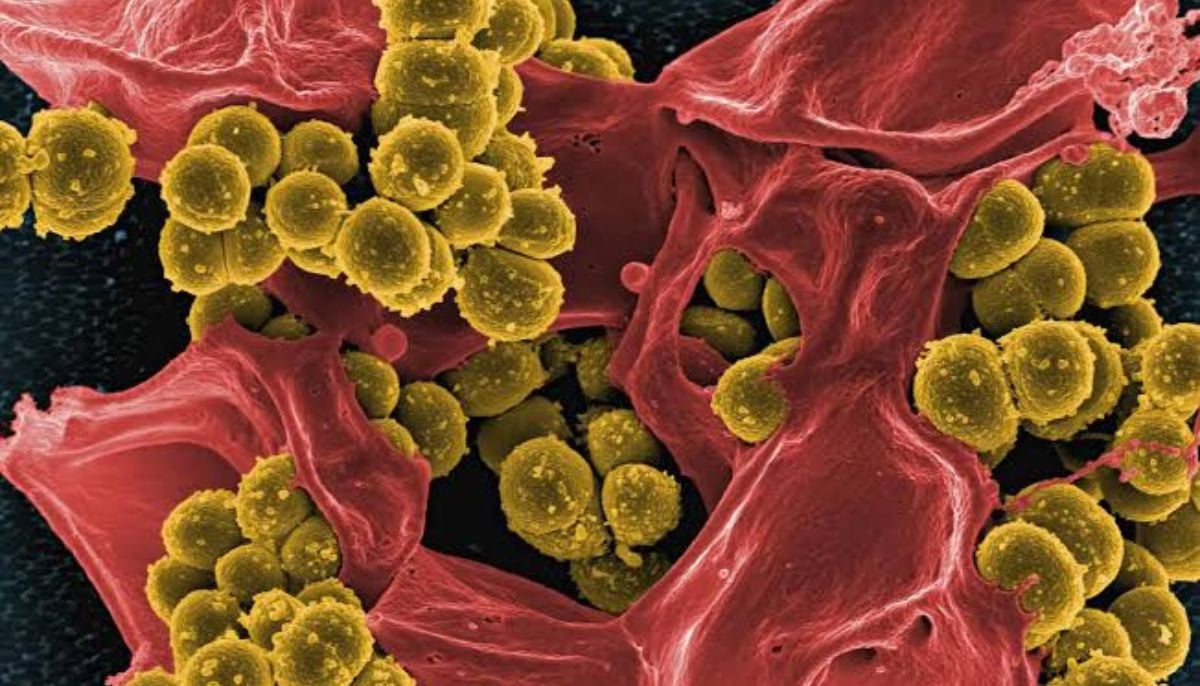
Researchers in Queensland, Australia, conducted studies on Chlamydia pneumoniae, an uncommon form of bacterium that may cause respiratory tract diseases such as pneumonia.
The bacterium has also been detected in the brains of persons suffering from late-onset dementia; a 1998 study discovered it in 17 of 19 brain samples tested.
"Some indirect evidence seems to suggest that infection with the organism might be associated with the disease," scientists said at the time.
The Griffith University researchers found that the bacteria Chlamydia pneumoniae "used the nerve extending between the nasal cavity and the brain as an invasion path to invade the central nervous system".


-
 How a new blood test detects active, infectious Tuberculosis: Here’s everything to know
 -
 Young people quit UK jobs due to health issues, study finds
 -
 Meningococcal disease, dangerous bacterial infection, hits decade high in Canada
 -
 Gene mutation may affect how schizophrenia patients see reality
 -
 Is all chocolate healthy? Here’s what the science really says
 -
 What to know before using weight-loss drugs like Ozempic
 -
 Singapore confirms first local spread of mutated monkeypox clade Ib strain
 -
 World Autism Awareness Day: Celebrating different minds, shaping a shared future