
Autism cure in sight as Chinese scientists reach milestone in mice testing
Autism is characterised by difficulty connecting and communicating with others, as well as repeated habits and intense interests caused by MEF2C mutations
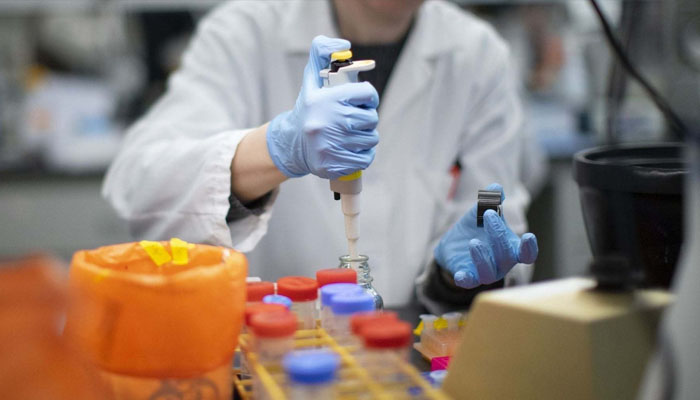
In the near future, treating autism may be as simple as receiving a shot, since Chinese scientists have accomplished a crucial milestone during preliminary mice testing.
The injection was able to reverse the symptoms of autism by rectifying faulty forms of a gene in the mice's brains, according to the researchers' article, which was published on November 27 in the Nature Neuroscience Journal.
The mutant MEF2C gene is discovered in people with autism spectrum disorder (ASD), according to the researchers from several academic and medical institutes in Shanghai.
According to the Centres for Disease Control and Prevention (CDC) in the United States, ASD affects roughly 1% of the world's population.
Autism is characterised by difficulty connecting and communicating with others, as well as repeated habits and intense interests caused by MEF2C mutations, which have also been connected to other neurological illnesses such as epilepsy.
While there are medications that may be provided to aid ASD sufferers with their conduct, there is no known cure for the illness.
According to the article, "the treatment fully restored MEF2C protein levels in several brain regions and reversed the behavioural abnormalities in MEF2C-mutant mice" which had previously shown issues with social interaction and repetitive conduct.
The mice were given the medicine by an injection into a tail vein, and they were monitored several weeks later.
“Individualised gene editing therapy could become feasible and affordable for patients in the near future,” the paper said, adding that this potentially opens the way for similar treatments to be developed for patients suffering from other genetic neurodevelopmental disorders.


-
 Shocking discovery at 'no-kill' shelter leaves dog owners distraught
 -
 EU launches investigation into Sanofi over alleged flu vaccine disparagement
 -
 How to survive Heatwave: Expert tips to stay cool in extreme temperatures
 -
 Rare genetic clue linked to healthy aging found in long-lived families
 -
 French fries raise diabetes risk 20%: New study warns
 -
 Study shows near-zero cervical cancer risk in young women
 -
 HPV vaccine study finds sharp fall in cervical cancer mortality
 -
 FDA upgrades Alfredo sauce recall affecting 41 states to ‘highest risk’ level


