Florida, Texas witness surge in malaria cases after 20 years
State issued state-wide mosquito-borne illness advisory; four individuals with illness treated and recovered
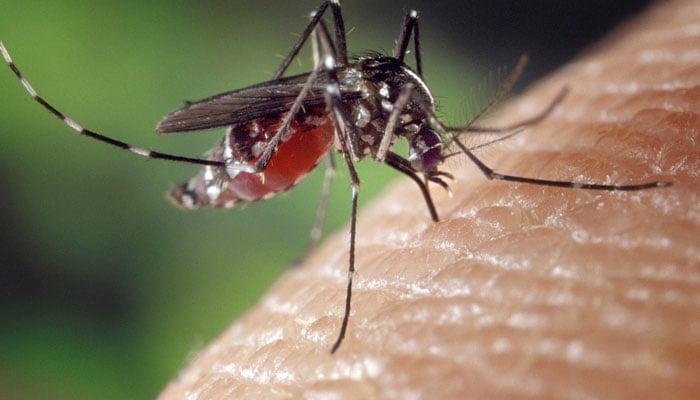
The Centres for Disease Control and Prevention (CDC) issued a warning and suggested taking preventive measures like applying insect repellents, fumigating living spaces, and keeping anti-malaria medications on hand Tuesday in response to numerous local malaria cases that were discovered in the US after 20 years.
Estimates indicate that there were four cases of malaria in Florida and one in Texas within the previous two months, but there is no proof that the cases in the two states are related.
In a Health Alert Network Health Advisory, CDC advised urgent evaluation of malaria patients in a medical emergency facility for rapid diagnosis and treatment within 24 hours.
They wrote: "Malaria is a medical emergency and should be treated accordingly. Patients suspected of having malaria should be urgently evaluated in a facility that is able to provide rapid diagnosis and treatment within 24 hours of presentation."
Every year, nearly 2,000 cases of malaria are detected all across the US and connected with those who went outside the country.
"Despite certification of malaria eradication in the US in 1970, small outbreaks of locally acquired mosquito-transmitted malaria continue to occur," the CDC said in 2003.
There have been no locally reported cases of malaria since 2003.
The cases in Florida have been detected in Sarasota County, the state's Department of Health said.
Officials in the state issued a statewide mosquito-borne illness advisory on Monday. All four individuals who caught the illness in the state have been treated and have recovered.
A health advisory has also been issued in Texas.
Malaria can prove to be a fatal disease, as the World Health Organisation (WHO) estimated the disease would kill 619,000 people worldwide in 2021.
This illness, however, can be treated with prescribed medicines.
The symptoms of malaria include high fevers, shaking chills, flu-like illness, nausea, vomiting, and diarrhoea. Some people show symptoms that start 10 days to 4 weeks after infection, a person may feel ill as late as one year after infection. It is not a contagious disease.
In the recommendations, the CDC asked people to ensure they are not bitten by mosquito bites and to ensure safety at home. The CDC also advised people to use repellents and wear full-sleeved pants and shirts.


-
 Study identifies key cause of fatigue and brain fog
 -
 Apple’s screenless fitness tracker plans revealed: What to know
 -
 Rabies concerns grow in US, sparking health warnings over fatal virus
 -
 This popular cooking garnish may offer surprising benefits for brain health
 -
 Was the human brain once two separate organs? Scientists find new clues
 -
 Novo Nordisk partners with Anthropic to accelerate AI-powered drug discovery
 -
 Congo Ebola outbreak reaches turning point as daily infections fall
 -
 Study reveals why some babies are born with heart defects
-
 Third measles-associated death reported as Pennsylvania outbreak reaches 676 cases
 -
Cyclosporiasis outbreak: US officially ends largest outbreak linked to contaminated lettuce
-
Hot beverages increase risk of cancer? New research provides in-dept details
-
Highest-level recall issued for potato chips over banned ingredient posing death risk