Japan, China agree to hold senior-level defence talks
Japanese and Chinese Foreign Ministers Yoshimasa Hayashi and Wang Yi held a meeting on sidelines of Munich Security Conference
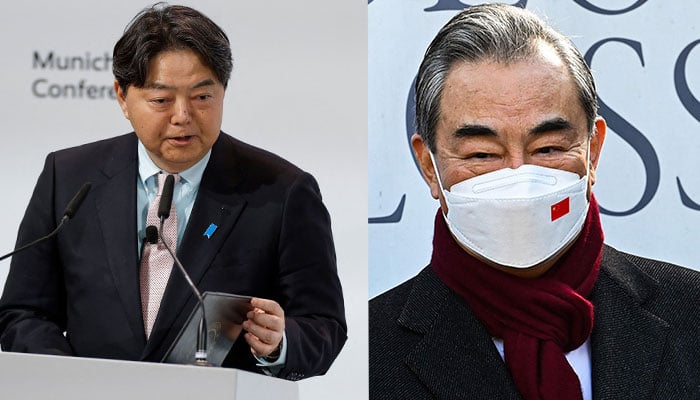
MUNICH: Japanese and Chinese officials will hold senior-level security discussions next week for the first time since February 2019, Tokyo’s top diplomat said Saturday.
Japanese Foreign Minister Yoshimasa Hayashi and his Chinese counterpart Wang Yi held a meeting for nearly an hour Saturday on the sidelines of the Munich Security Conference in Germany, his office said in a statement.
The statement said the two officials discussed Russia’s invasion of Ukraine, a major subject for this year’s Munich summit, which is being held only a few days before the one-year anniversary of Moscow’s assault.
Hayashi "urged China to respond to the situation in Ukraine as a responsible major power".
He also condemned North Korea’s latest missile launch on Saturday, while calling on China "to make positive contributions to the international community under established international rules".
The two officials agreed to hold security and diplomatic talks next week, Hayashi’s office said, without clarifying where the meeting would be held.
The last such meeting occurred in November 2019 in Beijing.
Tokyo and Beijing have been at loggerheads for years over the sovereignty of uninhabited islands in the East China Sea, which Japan administers as the Senkakus, but which China claims as the Diaoyus.
Relations soured between the two major Asian powers in 2012, when the Japanese government angered China by nationalising some of the islands.
"Minister Hayashi again expressed serious concerns regarding the East China Sea including the situation surrounding the Senkaku Islands, as well as China’s increasingly active military activities near Japan including its coordination with Russia," the Foreign Ministry statement said Saturday.
The upcoming security meeting would also be held in light of Japan’s recent accusations that it too had observed Chinese surveillance balloons over its territory in prior years after Washington shot down what it said was a spy balloon in early February.
Hayashi "clearly conveyed, once again, Japan’s position regarding the specific balloon-shaped flying objects that have been detected in Japan’s territorial airspace in the past," the statement said.
"I said that if a balloon enters our country’s airspace without permission, it would be considered an intrusion no matter which country it came from," Hayashi told reporters after the talks, Kyodo reported.
Japanese media had previously reported that government officials were weighing relaxing rules to allow the shooting down of aerial objects that violate its airspace.


-
 Abdul El-Sayed heckler linked to Republican strategist that was paid $250K to oppose him
 -
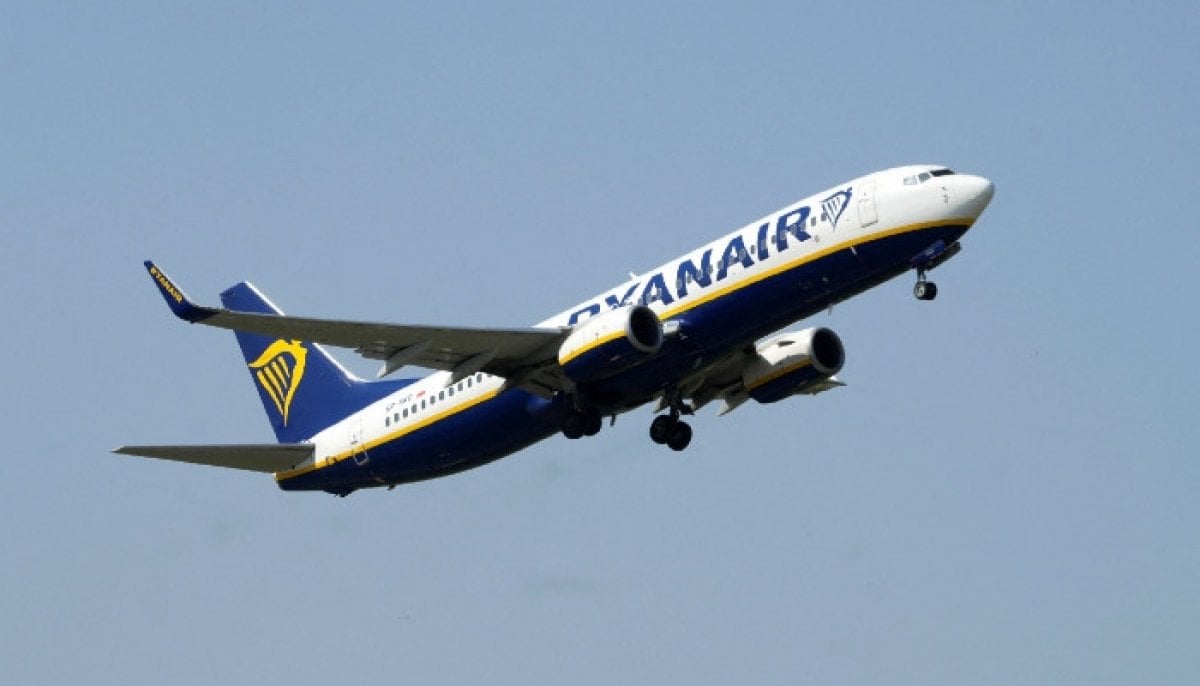 Flights to Europe could get more expensive in 2027 as fuel costs surge, Ryanair warns
 -
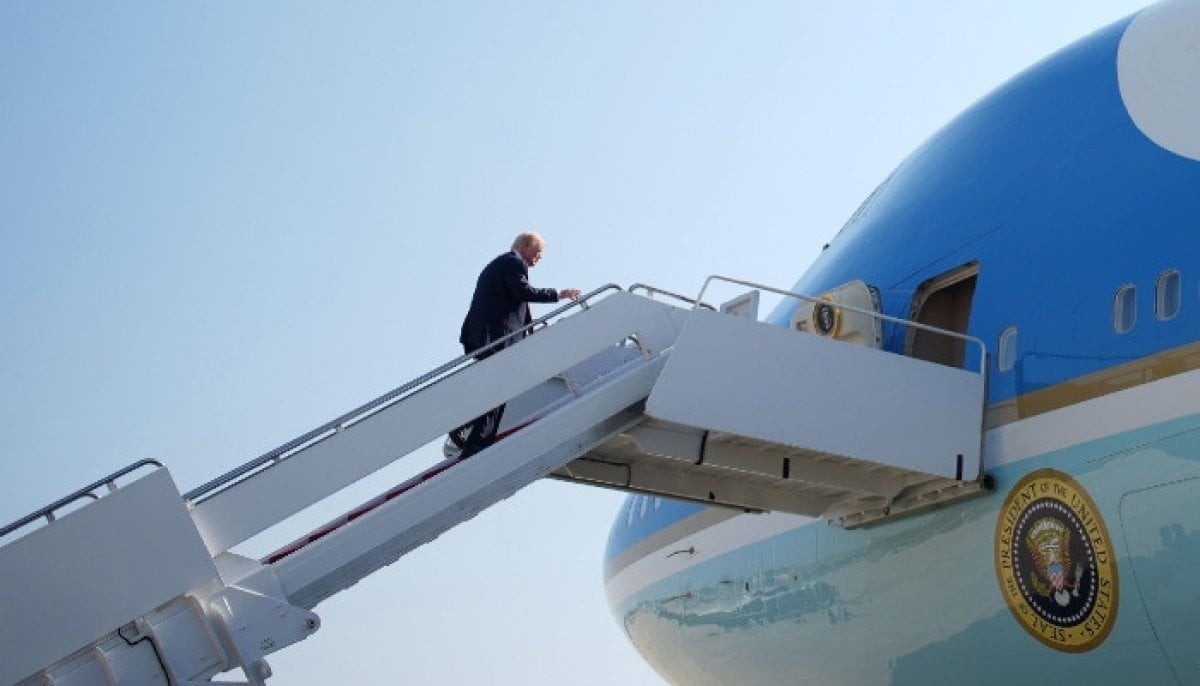 CNN threatens to sue Trump administration again over Air Force One press ban
 -
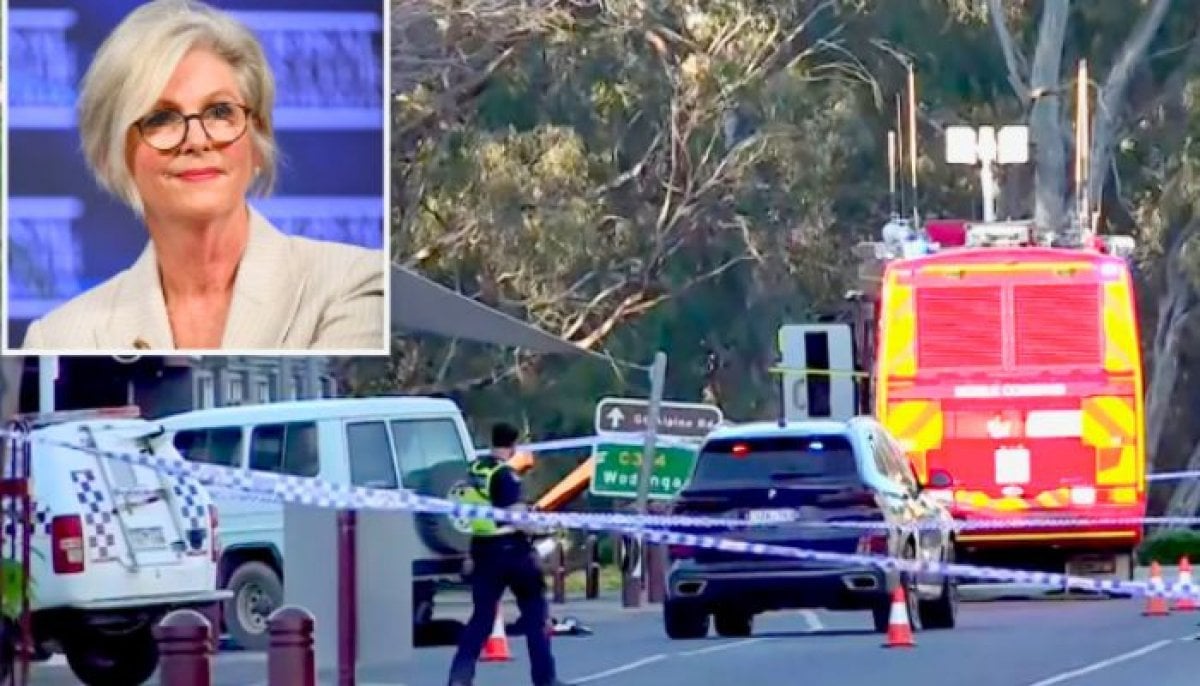 Attack on Australian MP Helen Haines highlights escalating threats to public figures
 -
 Ilhan Omar's sister questioned by investigators amid US citizenship fraud probe
 -
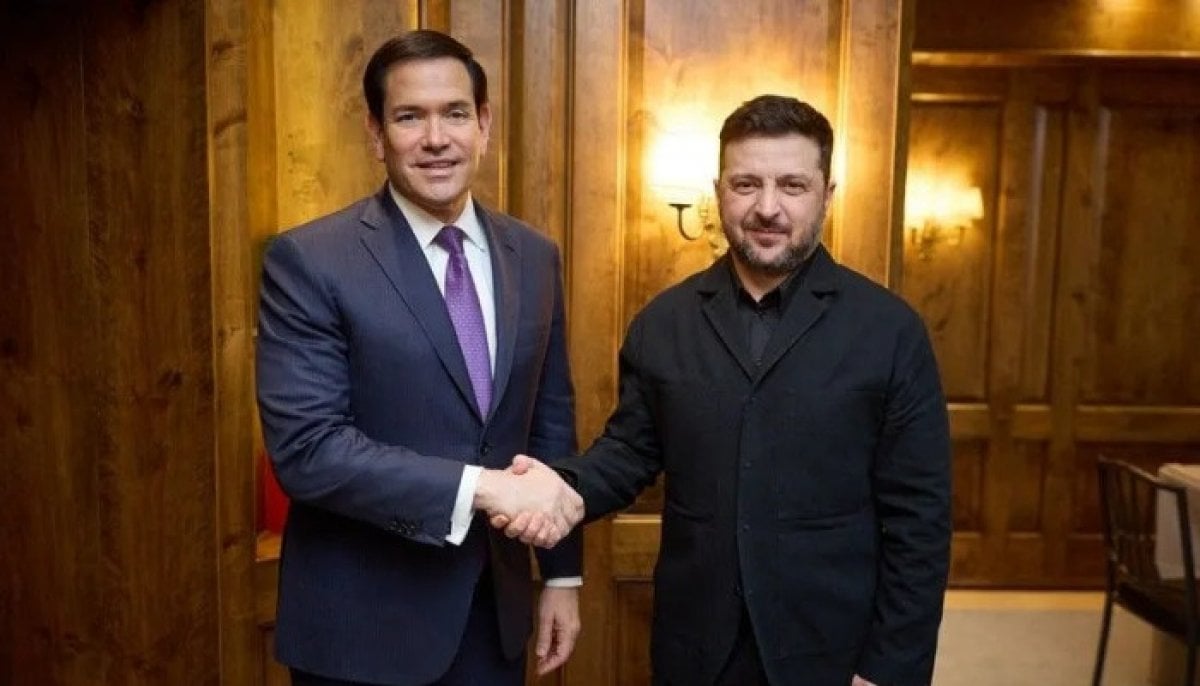 Zelenskyy calls Rubio talks constructive after Trump eases Russia sanctions for 60 days
 -
 Milan on high alert as Italy deploys 500 troops following days of riots and looting
 -
 Ex-Toronto Blue Jays player Richard Butler and wife accused of defrauding baseball families