Hallucinogenic party drugs could treat depression and anxiety: study
Scientists believe that the trip-inducing effects of party drugs could revolutionise mental health treatment
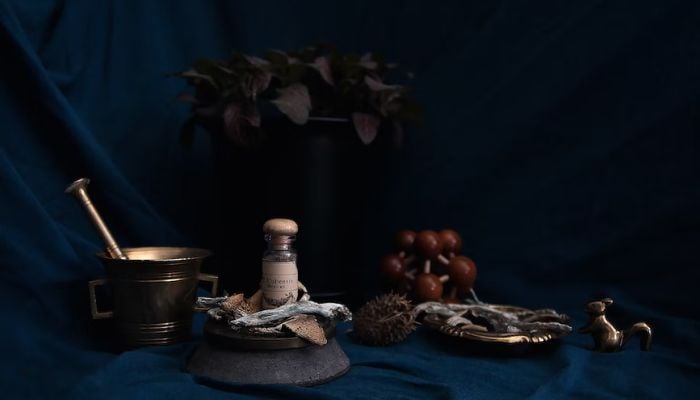
Some psychiatrists have come to believe that hallucinogenic and party drugs could actually be used for mental health treatment. The mind-altering properties of these drugs have been known for centuries now.
Scientists believe that the trip-inducing effects of these drugs could revolutionise mental health treatment.
In a recent study published in the journal New England Journal of Medicine, authors revealed that their findings suggest that magic mushrooms could equip doctors with a powerful solution for depression.
The synthetic version of an ingredient in mushrooms that causes distortion in vision called psilocybin was found to ease depressive symptoms in depressed individuals who had not responded to traditional treatments.
Researchers are now testing psilocybin's safety and also its efficacy on larger groups. They believe that it could get a green flag from regulators within three years.
According to MailOnline's reports, magic mushrooms are considered the most harmful in the US and in Britain. Anyone found with the drug could up in prison for a few years.
However, several studies have now associated the drug with easing depression. The latest study sampled over 200 patients with treatment-resistant depression. They were given the ingredient alongside therapy.
Over the period of 12 weeks, patients with the highest dosage saw the intensity of their depression falling. Previous studies have shown the positive impacts of psilocybin on other mental health issues like anorexia and anxiety.
Experts think that the drug "opens up" the brains of people with mental health problems, allowing them to disassociate from their negative thoughts for up to three weeks.
The drug has also been proven to help alcoholics fight their addiction. A New York University research study recruited 90 heavy drinkers half of whom were given psilocybin and the other half placebo. Results showed that those who were administered the drug were twice as likely to quit drinking.
Another Class A and Schedule I drug, Ecstasy, which is notoriously taken at parties has been shown to ease flashbacks, insomnia, and nightmares which is helpful for those suffering from post-traumatic stress disorder.
Some experiments have already been conducted and psychiatrists at King’s College London are ready to test Ecstasy on former servicemen suffering from PTSD.
Other studies have shown the efficacy of ketamine, another popular party drug, for depressed patients, helping them get rid of negative thoughts.
Ketamine has been approved as an anaesthetic for years and is also prescribed in low doses for severe pain.


-
 Eli Lilly’s Foundayo weight-loss pill gets European approval recommendation
 -
 What is BPC-157? Trump administration considers easing rules on popular peptide injections
 -
 West Nile virus: Europe reports 141 deaths as human cases rise in 2026
 -
 Health Canada reviewing new mRNA flu vaccine that could prevent more hospitalisations
 -
 Scientists discover hidden drainage route at the back of the eye
 -
 WHO confirms death at Russian research lab, says no plague case registered
 -
 Getting a $90 check from Social Security? Here’s why
 -
 Measles cases in US top 4,000 nationwide, CDC reports
-
 Sexually transmitted diarrhea spread in US, UK: Why antibiotics are failing against Shigella
 -
Who is Song Li? China puts her forward for WHO leadership role
-
CDC monitors travelers from Siberia after plague worker’s death, director says
-
Russia pushes back on plague death reports, defends WHO notification